


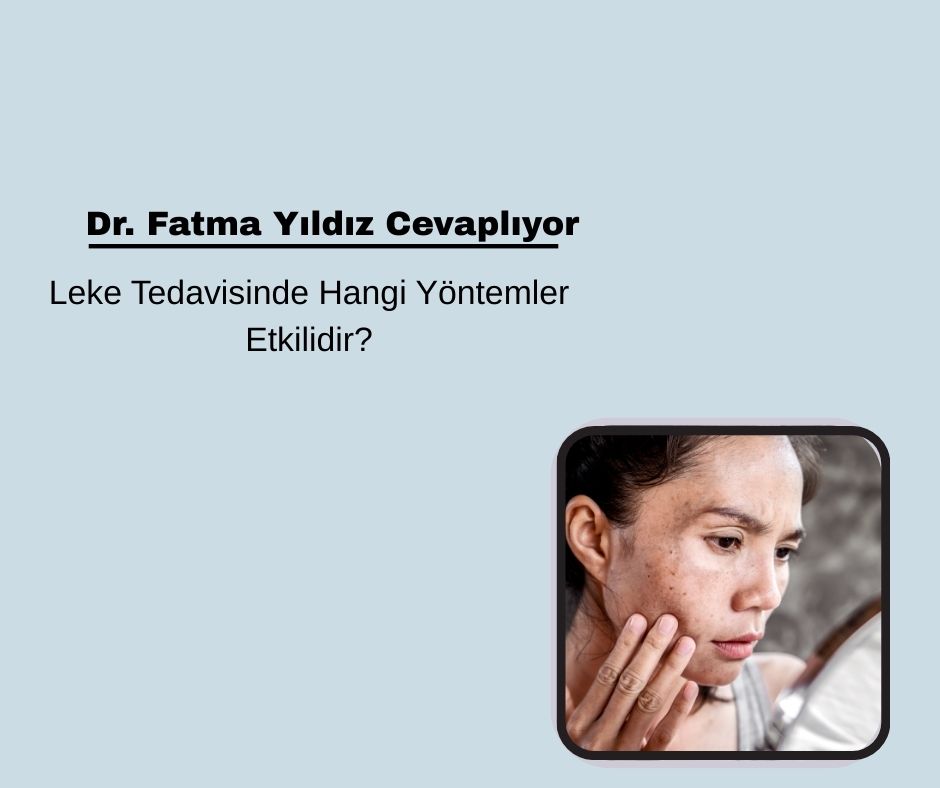

Which Methods Are Effective in Treating Blemishes?
Blemishes are one of the most common aesthetic problems that can occur, particularly after sun exposure, hormonal changes, aging, and some skin diseases. Numerous scientific articles published in the field of dermatology have demonstrated the effectiveness of different methods in treating blemishes. So, which methods provide reliable and effective results?
1. Chemical Peeling for Blemishes
Studies have shown that glycolic acid and salicylic acid peels are particularly effective for melasma and sunspots. Chemical peels promote the growth of a new, healthier layer of skin by removing the upper layer of the skin in a controlled manner.
???? According to an article published in the Journal of Clinical and Aesthetic Dermatology, 70% of patients experienced significant improvement after regular chemical peel sessions.
2. Laser and Light Systems for Treating Blemishes
Lasers have become increasingly prominent in blemish treatment in recent years. Q-Switched Nd:YAG, Alexandrite, and fractional lasers target melanin pigment and lighten dark spots.
A study published in the journal Lasers in Surgery and Medicine showed that the Q-Switched Nd:YAG laser is safe and effective in treating melasma.
Fractional lasers offer additional benefits in both lightening spots and promoting skin rejuvenation.
3. Topical Treatments: Creams and Serums
Some of the most frequently mentioned topical agents in scientific articles:
Hydroquinone: One of the most powerful spot-lightening agents.
Retinoids: Reduce spots by accelerating cell turnover.
Vitamin C: Its antioxidant effects help even out skin tone and reduce new spots.
According to guidelines from the American Academy of Dermatology (AAD), combining hydroquinone with other agents (e.g., retinoids + corticosteroids) provides a higher success rate.
4. Mesotherapy and PRP Applications
Recent studies indicate that PRP (platelet-rich plasma) and vitamin-based mesotherapy treatments can have a skin-lightening effect.
A study published in the journal Dermatologic Surgery reported a significant improvement in the skin tone of patients with melasma who received PRP.
Injections of glutathione, vitamin C, and tranexamic acid used in mesotherapy are supportive methods for treating spots.
5. Are Combination Treatments More Effective?
Scientific data demonstrates that combination treatments are more successful than single treatments. For example, using topical agents in conjunction with laser therapy provides more lasting results.
An article published in the Journal of Cosmetic Dermatology revealed higher patient satisfaction in patients who received combination treatment compared to those who received a single method.
Conclusion: What Should the Correct Approach Be in Spot Treatment?
Spot treatment is personalized. Each patient's skin type, spot depth, age, and lifestyle are different. Therefore, the most appropriate approach is a personalized treatment plan following a dermatologist's examination.
In my clinical practice, I generally recommend combined treatment approaches to my patients. We achieve much more successful results, particularly when we combine chemical peels, laser systems, and topical treatments.
 Call
Call
 Whatsapp