


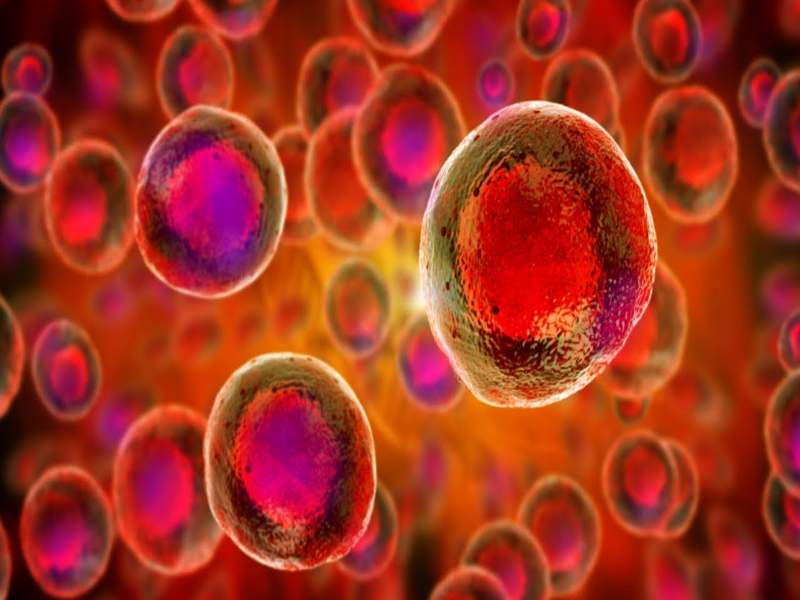

Stem cell scar treatment is an innovative method used to improve the appearance of scars on the skin. This treatment is performed by injecting stem cells into damaged tissue. Stem cells may support the body’s natural recovery process and help the skin gain a healthier and smoother appearance. In this way, it may offer a supportive option for individuals with aesthetic concerns.
This treatment method is especially preferred for various scars on the skin, such as acne scars, surgical scars, and burn scars. Stem cell scar treatment supports the renewal of skin tissue and helps scars become less noticeable. This may increase individuals’ self-confidence and positively affect their social life.
The treatment is usually performed under local anesthesia and is considered a minimally invasive procedure. This may allow patients to return to their daily lives in a short time. However, since every treatment is planned individually, it is important to be evaluated by a specialist doctor.
Advantages of Stem Cell Scar Treatment
One of the main advantages of stem cell scar treatment is that it supports a natural recovery process. Since stem cells taken from the person’s own body are used, the risk of allergic reaction is generally lower. This helps the treatment become more personalized and suitable when applied correctly.
Another important advantage is that the post-treatment recovery process may be relatively short. Many patients can return to daily activities shortly after the procedure. This is a major advantage for individuals with limited time. In addition, the treatment process is generally comfortable, which is one of the reasons it is preferred.
Finally, stem cell scar treatment may offer long-term improvement. Skin tissue may begin to look better over time, and these results may be maintained with proper care. This may reduce the need for repeated procedures and help individuals achieve a more satisfying appearance with a limited number of sessions in suitable cases.
The Most Suitable Season for Stem Cell Scar Treatment
The question of which season is more advantageous for stem cell scar treatment is a topic many people wonder about. In general, autumn and winter months are considered more suitable for such treatments. The reason for this is that the harmful UV rays of the sun are less intense and the skin is exposed to sunlight less frequently.
During the summer months, sun rays may cause more damage to the skin. This may negatively affect the recovery process of the treated area and may lead to unwanted side effects such as hyperpigmentation. Therefore, those planning to have treatment during summer may need to take extra precautions.
Treatments performed especially during autumn and winter allow the skin to focus more comfortably on its natural recovery process. The body’s natural regenerative processes may be supported more comfortably in cooler and more humid weather conditions. This may contribute to more effective treatment results.
Effects of Seasons on the Skin
Seasons play an important role in skin health and may directly affect treatment processes. During summer, the sun’s UV rays may cause burns and pigmentation on the skin, which may make skin treatments more challenging. At the same time, hot weather may cause the skin to produce more oil, which may trigger acne formation.
Winter months may cause the skin to become dry. Cold weather may weaken the skin’s natural moisture barrier, making the skin more sensitive. However, lower sun exposure in winter may make the post-treatment care process easier and support the recovery process.
Autumn and spring are generally considered ideal periods for skin treatments. These seasons support the skin’s natural recovery processes with mild weather conditions and lower UV exposure. Therefore, they may be preferred for stem cell scar treatment applications.
Stem Cell Scar Treatment Application Process
The stem cell scar treatment application process generally consists of several stages. First, local anesthesia is applied to the area to be treated. This helps the procedure proceed more comfortably. Then, stem cells are collected from the patient’s own body. These cells are usually obtained from fat tissue or bone marrow.
The collected stem cells are processed and enriched in a laboratory environment. This process aims to increase the effectiveness of the cells and support more successful treatment results. Then, the prepared stem cells are injected into the area to be treated. This procedure usually takes a short time and is considered a minimally invasive method.
After treatment, patients can usually return to their daily activities shortly. However, mild redness or swelling may occur during the first few days. These effects usually disappear within a short time, and the skin may gradually begin to show visible improvement.
Care After Stem Cell Scar Treatment
Post-treatment care is critically important for the success of stem cell scar treatment. First, it is important to keep the treated area clean and moisturized. This helps reduce the risk of infection and supports the recovery process. In addition, protecting the skin from the sun after treatment is extremely important. Using sunscreen helps protect the skin from UV-related damage.
Heavy physical activities should be avoided during the first few days. This helps protect the treated area from unnecessary stress. At the same time, staying away from habits such as alcohol and smoking may positively support the skin’s recovery process.
Finally, carefully following the care products and instructions recommended by your doctor helps maintain treatment results. During this process, you can support recovery by providing the moisture and care your skin needs.
Things to Consider for Stem Cell Scar Treatment
If you are considering stem cell scar treatment, you should take some important points into account. First of all, before starting this type of treatment, it is important to have a detailed doctor evaluation. A specialist doctor will evaluate your skin type and the condition of your scars and create the most suitable treatment plan for you.
It is also important to have realistic expectations about the treatment process and afterwards. Since each person’s skin type and recovery process are different, results may vary from person to person. Being patient and following your doctor’s recommendations will help you achieve more appropriate results.
Finally, it is important not to neglect post-treatment care and follow-up appointments. These appointments help ensure that the treatment process is progressing properly. They also allow possible complications to be detected at an early stage.
Frequently Asked Questions About Stem Cell Scar Treatment
1. Does stem cell scar treatment hurt?
The treatment is generally performed under local anesthesia, so it is usually comfortable. However, mild discomfort may be felt after the procedure.
2. When are treatment results seen?
Initial results usually begin to appear within a few weeks. Fuller results may take several months.
3. What should I pay attention to after treatment?
Skincare after treatment is important. It is necessary to protect the skin from the sun, avoid heavy exercise, and follow the doctor’s recommendations.
4. Can everyone have stem cell scar treatment?
Although it may be suitable for many people, it may not be appropriate for individuals with certain health conditions. Therefore, doctor evaluation is required.
5. Where are stem cells taken from?
Stem cells are usually taken from the patient’s own fat tissue or bone marrow.
 Call
Call
 Whatsapp