


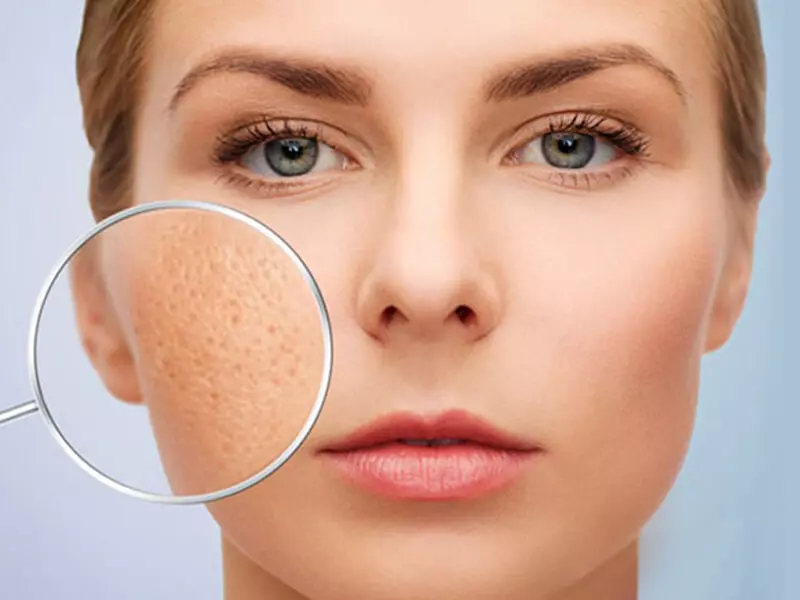

Acne scar treatment in Çankaya includes different methods used to reduce the appearance of scars, colour changes and depressions that remain after acne. These treatments aim to soften visible irregularities and support a more balanced-looking skin surface. Methods that may be considered include chemical peeling, microdermabrasion and laser treatment.
These treatments may help reduce the appearance of certain acne scars, but complete removal cannot be guaranteed. Since skin structure and the type and depth of scars differ between individuals, treatment should be planned personally. Laser procedures are commonly considered, but they may not be the most suitable option for every person or every scar type.
The selection of the centre and practitioner is important when planning acne scar treatment in Çankaya. A dermatologist or qualified healthcare professional may evaluate individual needs and skin characteristics and determine suitable treatment options. Practitioner experience, the devices used and the follow-up process should be considered during planning.
Importance of the Seasons in Acne Scar Treatment
The season is one of the factors considered during acne scar treatment, particularly for procedures that may increase sensitivity to sunlight. The skin’s response may vary according to weather conditions, lifestyle and the selected method. During periods of intense sun exposure, sensitivity and the risk of unwanted pigment darkening may increase after certain procedures.
Autumn and winter may be preferred for certain treatments because sun exposure may generally be easier to limit. However, cold weather may increase dryness and skin-barrier sensitivity. Reduced sweating during winter may make aftercare easier for some people, although this is not true for everyone.
The importance of the season varies according to natural skin tone, skin structure, lifestyle and the planned treatment. Every season may have different advantages and limitations. Determining the timing through dermatological assessment may help personalise the sun-protection and aftercare plan.
The Most Suitable Season for Acne and Acne Scar Treatment
Selecting a suitable season for Acne and Acne Scar treatment is particularly important for procedures that may increase sun sensitivity, such as lasers and medium or deep chemical peels. Autumn and winter are commonly preferred because avoiding intense sunlight may be easier. However, treatment cannot be assumed to heal faster or more safely during these seasons in every case.
Autumn may be a period when certain procedures are planned after the intense sun exposure of summer has decreased. Continuing sun-protection habits may help reduce the risk of pigment darkening after treatment. However, temperature and humidity vary, so autumn does not automatically maintain the skin’s moisture balance.
Winter may also be preferred for certain acne scar procedures. However, cold weather should not be expected to reduce oil production or acne in everyone. Dry air, wind and heated indoor environments may affect the skin barrier. Moisturising and skincare products should therefore be selected according to the skin type.
Suitable Acne Scar Treatment Methods in Ankara
Different methods are available for acne scar treatment in Ankara. There is no single best option for everyone. Treatment should be personalised according to skin structure, natural skin tone and the type and depth of the scars. Methods that may be considered include:
-
Laser Treatment: Depending on the device, laser procedures create controlled treatment areas at different skin depths and aim to support renewal and collagen remodelling. They may help reduce the appearance of certain depressed acne scars. The device and energy settings should be selected individually.
-
Chemical Peeling: Chemical peeling creates controlled exfoliation in the upper skin layer and aims to support renewal. It may soften certain superficial scars and colour irregularities. Its effect may be limited when used alone for deep depressed scars.
-
Microdermabrasion: This method creates controlled mechanical abrasion in the upper skin layer and may support a more balanced-looking surface. It is generally considered for mild and superficial texture or colour irregularities.
Different dermatologists and centres in Ankara perform these procedures. Treatment should be planned by a dermatologist or qualified healthcare professional. Information should be obtained about aftercare, possible side effects and realistic expectations.
What You Should Know About Laser Treatment
Laser treatment is one of the methods that may be considered to reduce the appearance of certain acne scars. Ablative and non-ablative lasers may create controlled effects through different mechanisms. This process may support collagen remodelling and help soften scars and certain texture irregularities.
Treatment duration, session count and recovery vary according to the device and treatment intensity. Some people may notice a change after the first sessions, while others may require several sessions or a combination of methods. Redness, swelling, sensitivity, crusting and temporary pigment changes may occur, and their duration varies between individuals.
Protecting the skin from sunlight is important after laser treatment. Intense sun exposure may increase the risk of unwanted darkening in treated skin, but it cannot be said to create new depressed scars directly. Broad-spectrum sunscreen and adherence to aftercare recommendations may help support recovery.
Points to Consider During Acne Scar Treatment
Dermatological assessment is important before acne scar treatment. A dermatologist may evaluate skin structure, natural skin tone and scar characteristics and identify suitable options. Current medication, active acne and previous skin procedures may also affect the plan.
Skincare is important during and after treatment. Since the skin may become sensitive, a moisturiser suitable for the skin type may be used, and irritating products may be avoided. Sun protection does not guarantee that scars will not develop again, but it may help reduce the risk of pigment darkening after procedures.
Treatment results may require time. Changes in acne scars vary between individuals despite regular treatment. Following the dermatologist’s treatment and aftercare plan and reporting unexpected reactions may help the process progress in a more controlled manner.
Effects of Seasonal Changes on the Skin
Seasonal changes may affect skin moisture, oiliness and sensitivity. These changes may influence the aftercare required following acne scar treatment. The skincare routine may need to be adjusted according to weather conditions and individual skin structure.
During summer, intense ultraviolet exposure may contribute to certain pigment changes becoming darker. Heat, humidity, sweating and skincare products may affect active acne in some people, but summer does not increase oil production or acne in everyone. Sun protection and suitable products that are less likely to block pores are important.
During winter, cold weather, wind and low humidity may cause dryness and sensitivity. Moisturiser should be selected according to the skin type, and rich products may not be suitable for every person. Appropriate skincare may support the skin barrier but does not determine the success of treatment on its own.
Selecting the Right Time for Acne Scar Treatment
Selecting the right time for acne scar treatment is important, particularly for procedures requiring avoidance of sunlight and structured aftercare. Skin type, scar condition, active acne and lifestyle should be considered together with seasonal conditions. Autumn and winter may be more practical for certain procedures, but they are not ideal for everyone.
Other periods when the person can reliably avoid intense sun exposure and follow aftercare may also be suitable. When treatment is planned during summer, the procedure, the person’s ability to protect the skin and the risk of pigment changes should be evaluated in detail. Being on holiday does not automatically provide suitable treatment conditions.
Personal health, the existing skincare routine and the recovery period should be considered when selecting the timing. A dermatologist may prepare a suitable plan after evaluating the person’s lifestyle and treatment characteristics. However, the selected season does not guarantee effective or uncomplicated treatment.
 Call
Call
 Whatsapp