


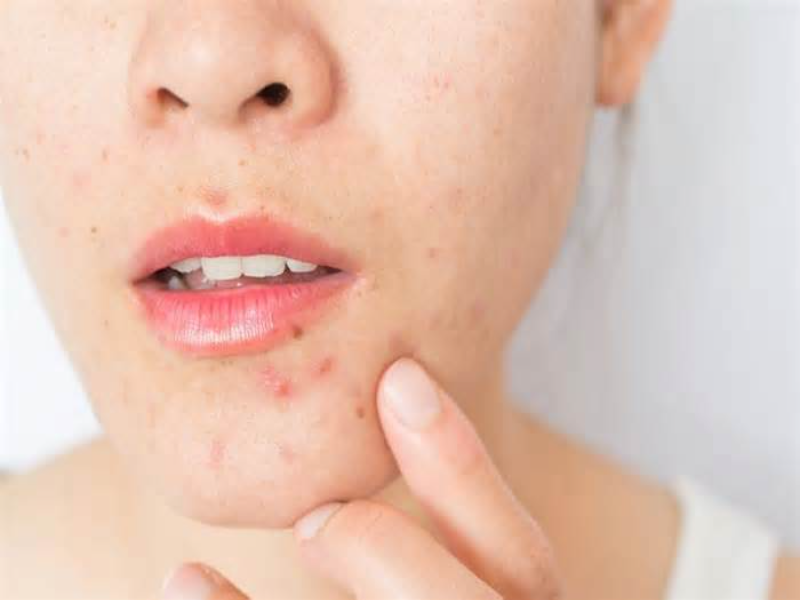

Acne scars are persistent changes that may remain after inflammatory acne or pimples. When these scars are noticeable, especially on the face, they may affect how some individuals feel about their appearance. The main mechanism behind structural acne scars is inflammation extending into deeper skin layers and disrupting the normal healing process. Changes in collagen production and remodeling may then lead to depressed or raised scars. Acne & Pimple Scar treatment includes different methods intended to reduce the visible appearance of these changes.
What Are Acne Scars and Why Do They Develop?
Acne scars are persistent structural changes that may develop after inflammatory acne. When inflammation affects deeper skin layers, the normal healing process may be altered and result in changes in collagen remodeling. This can lead to depressed or raised scars. Post-acne pigmentation should also be distinguished from true structural acne scars because it may behave differently and require a different treatment approach.
There are different types of acne scars; some appear as depressions, while others may be raised above the skin surface. Methods used for Acne Scar Treatment vary according to scar type, skin characteristics, and previous treatment history. Laser procedures, chemical peels, microneedling, subcision, and other approaches may be considered depending on the individual case.
The presence of Acne & Pimple Scars may affect not only appearance but also self-confidence for some individuals. For this reason, many people want to know which treatment options may be appropriate and whether a particular season offers an advantage during the treatment process.
The Importance of Seasons in Acne Scar Treatment
The role of season in acne scar treatment is mainly related to ultraviolet exposure, tanning, temperature, and how easily post-treatment skin protection can be managed. This is also relevant when planning Acne Scar Treatment in Ankara. Certain Ankara Laser procedures may require especially careful sun protection, but the season itself does not determine whether the treatment will be effective.
Ultraviolet exposure may increase the risk of irritation or pigment changes after some procedures, especially when the skin has recently undergone resurfacing or controlled injury. For this reason, some practitioners may prefer periods when sun exposure is easier to limit. However, suitable treatment can still be considered in other seasons when adequate sun protection and appropriate patient selection are possible.
Before beginning treatment, it is useful to evaluate the condition of the skin, the planned procedure, recent sun exposure, and the individual's ability to protect the treated area. Professional assessment can help determine whether treatment is appropriate at a particular time of year and what precautions may be required.
Acne Scar Treatment During Spring
Spring may be a convenient period for some individuals considering acne scar treatment because temperatures are often more moderate than in summer. However, ultraviolet exposure can still be significant, and sun protection remains important. Spring should therefore not automatically be considered an ideal season for Acne Scar Treatment in Ankara.
Treatments performed during spring may be planned according to skin condition and sun exposure. Selected Ankara Laser procedures can be considered if the individual is not recently tanned and can follow appropriate aftercare. Skin does not necessarily heal faster in spring, so treatment timing should be based on the procedure rather than the season alone.
Individuals receiving treatment during spring should continue to use appropriate sun protection and follow the recommended skin care routine. This may help reduce unnecessary irritation or pigmentation changes while the treated skin is recovering.
Acne Scar Treatment During Summer
Summer can create additional challenges for certain acne scar procedures because ultraviolet exposure is usually greater and tanning is more common. Recently treated skin may be more susceptible to irritation or pigment changes after some laser, peeling, or resurfacing procedures. However, Acne Scar Treatment in Ankara is not automatically impossible during summer.
During summer, careful sun protection becomes especially important. Broad-spectrum sunscreen, protective clothing, and limiting prolonged direct sun exposure may be recommended according to the procedure. Treatment should also be evaluated carefully if the skin is recently tanned or exposed to intense sunlight.
Ankara Laser and other treatment options may be considered during summer when clinically appropriate. The skin's response should be monitored, and unexpected redness, blistering, worsening pigmentation, or other unusual reactions should be professionally assessed.
Acne Scar Treatment During Autumn
Autumn is often considered a practical period for certain skin procedures because sun exposure may become easier to limit compared with the summer months. This can be useful for some Acne Scar Treatment in Ankara plans, particularly when the procedure temporarily increases sensitivity to ultraviolet exposure.
Selected Ankara Laser procedures may be easier to plan during autumn for individuals who can maintain appropriate sun protection. However, the treatment should not be considered automatically safer or more effective simply because it is autumn. Skin recovery still depends on treatment depth, scar type, skin characteristics, and individual healing response.
Individuals receiving treatment during autumn should continue appropriate moisturizing and sun protection as recommended. These measures may support the recovery process, but they cannot guarantee faster healing or a greater reduction in scar appearance.
Acne Scar Treatment During Winter
Winter may be a convenient time for certain acne scar treatments because ultraviolet exposure and outdoor sun intensity may be lower for many individuals. This can make sun avoidance easier after selected resurfacing or laser procedures. However, Acne Scar Treatment in Ankara is not necessarily more effective simply because it is performed in winter.
Maintaining the skin barrier can be particularly important during winter because cold weather and indoor heating may contribute to dryness. Moisturizers and appropriate aftercare may therefore be useful after Acne Scar Treatment. Selected Ankara Laser procedures can be planned during this season, but healing speed still varies from person to person.
Individuals considering treatment during winter should continue following aftercare instructions and sun protection recommendations. Ultraviolet exposure is still present during winter, so sunscreen may remain important depending on the treatment and daily activities.
Which Season Is Most Suitable for Acne Scar Treatment?
There is no single season that is universally the best for Acne Scar Treatment in Ankara. Autumn and winter may offer practical advantages for certain laser or resurfacing procedures because sun exposure can be easier to manage. However, this does not mean that treatment performed during these seasons will automatically be more effective or safer.
Individuals considering treatment during spring or summer may need to take additional precautions regarding ultraviolet exposure and tanning. Regardless of the season, professional evaluation, appropriate treatment selection, and careful aftercare are more important than the calendar itself.
In conclusion, the most suitable time for Acne Scar Treatment in Ankara depends on skin type, scar characteristics, the procedure being planned, recent sun exposure, lifestyle, and the ability to follow aftercare instructions. Professional assessment can help determine whether a particular season offers a practical advantage for the individual's treatment plan.
 Call
Call
 Whatsapp