


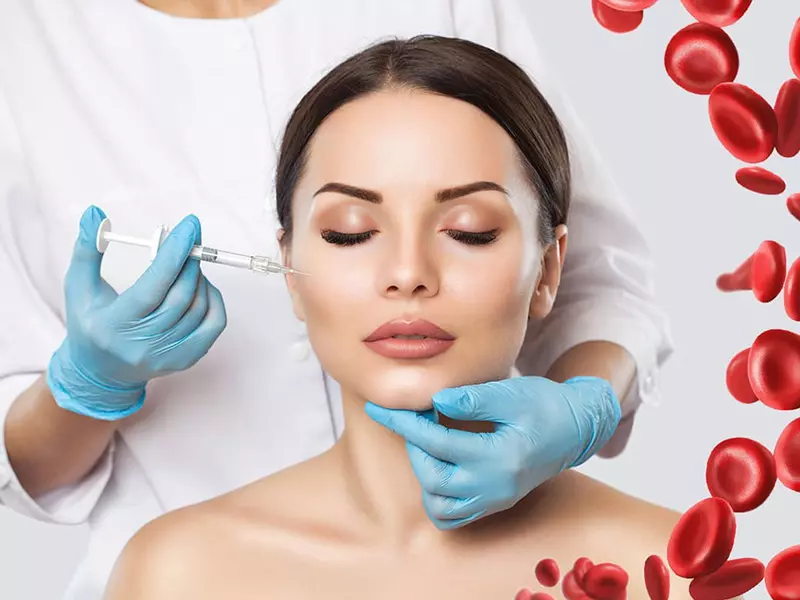

Stem cell scar treatment refers to regenerative approaches that may be considered for improving the appearance of different scars, including acne and pimple scars. These treatments involve the use of cell-based methods intended to support tissue repair and skin remodeling. Depending on the technique used, they may contribute to a smoother and healthier-looking skin appearance over time.
Stem cell-based treatments may be performed through minimally invasive techniques in selected cases and generally do not involve conventional surgery. Recovery time depends on the specific procedure being used. Cell-based products may be obtained from the individual's own tissues in some approaches, while other laboratory-prepared products involve different medical and regulatory considerations. Their suitability, effectiveness, and safety therefore depend on the treatment protocol.
These regenerative approaches are being evaluated and used in different medical settings worldwide, including selected centers providing Ankara Laser and aesthetic dermatology services. Their potential role in scar treatment depends on the type of scar, the product used, and individual skin characteristics. Improvement in scar appearance may occur in selected cases, but the degree of benefit can vary.
Advantages of Stem Cell Treatment
One potential advantage of selected stem cell-based approaches is that they may be performed without conventional surgical intervention. This can make the treatment process less invasive in appropriately selected individuals. However, the recovery period and possible risks depend on the specific technique and the type of biological material being used.
Stem cell scar treatment may also be planned according to individual needs. Skin characteristics, scar type, scar depth, and previous treatments can all influence the treatment strategy. The amount of material used and the application method should therefore be determined according to professional assessment rather than following the same protocol for every person.
Another potential feature of certain autologous approaches is the use of material obtained from the individual's own body. This may reduce some compatibility-related concerns, although it does not eliminate all possible side effects or complications. The overall safety of the procedure depends on proper patient selection, preparation methods, sterility, and professional application.
Effects of the Seasons on Scar Treatment
Seasonal conditions may influence scar treatment mainly because of differences in sun exposure, temperature, and daily skin care habits. During summer, stronger ultraviolet exposure can make sun protection particularly important after procedures that temporarily increase skin sensitivity. Excessive sun exposure may also contribute to post-treatment pigmentation in susceptible individuals.
During winter, cold weather and indoor heating may contribute to dryness in some people. A weakened skin barrier or excessive dryness can affect comfort during recovery. On the other hand, reduced sun exposure may make post-treatment sun protection easier to manage for some individuals, provided that appropriate skin care is maintained.
Autumn and spring are sometimes preferred for scar treatments because sun exposure may be easier to control and extreme weather conditions may be less pronounced. However, these seasons should not automatically be considered ideal for everyone. Treatment suitability depends more on the procedure, skin characteristics, lifestyle, and ability to follow aftercare instructions.
The Most Suitable Season for Stem Cell Scar Treatment
There is no single season that is universally considered the best for stem cell scar treatment. Autumn and spring may be convenient for some individuals because ultraviolet exposure can be easier to manage and outdoor conditions may be more moderate. This can be useful when the treatment requires careful sun protection during recovery.
Spring may also be suitable for individuals who can maintain regular skin care and sun protection. However, the condition of the skin after winter, including dryness or sensitivity, should still be considered. Recovery speed should not be assumed to increase simply because of the season.
Season selection should therefore be individualized according to skin type, treatment method, daily routine, and expected sun exposure. A professional assessment can help determine whether treatment is appropriate at a particular time of year and what precautions may be necessary before and after the procedure.
Recommendations for Stem Cell Treatment in August 2026
August 2026 falls within the summer period, so sun protection is an important consideration for individuals planning scar treatment. Ultraviolet exposure may still be intense during this month. Broad-spectrum sunscreen, protective clothing, and limiting unnecessary direct sun exposure may therefore be recommended according to the treatment performed.
Adequate hydration and appropriate moisturization can help support normal skin function during the recovery period. In hot weather, maintaining the skin barrier may be particularly useful if the procedure causes temporary dryness or sensitivity. However, increased water intake should not be expected to directly accelerate scar repair.
Heavy makeup or potentially irritating skin care products may also need to be limited for a period after treatment. Gentle products selected according to the procedure can help reduce unnecessary irritation. The exact duration of these precautions should be based on the treatment performed and professional aftercare instructions.
What Should Be Considered During Stem Cell Treatment?
Several points should be considered before and after a stem cell-based scar treatment. Appropriate skin care can help support recovery, but it does not guarantee a specific treatment result. Keeping the skin clean, moisturized, and protected from excessive sun exposure may be recommended depending on the procedure.
Following the instructions given by the physician or qualified professional is particularly important. These recommendations may include guidance on cleansing, moisturization, sun protection, activity restrictions, and the timing of active skin care products. Ignoring aftercare instructions may increase the likelihood of irritation or other unwanted reactions.
Balanced nutrition and adequate hydration can support general health and normal tissue function during recovery. A diet containing sufficient protein, vitamins, minerals, fruits, and vegetables may contribute to overall well-being. However, nutrition and water intake should not be considered direct methods for accelerating the effects of stem cell scar treatment.
Stem Cell Treatment and the Scar Healing Process
The healing process after stem cell-based scar treatment can vary considerably from person to person. Changes in scar appearance may develop gradually depending on scar characteristics, the treatment method, and individual tissue response. A noticeable reduction in scar visibility cannot be guaranteed for every individual.
During recovery, normal tissue remodeling processes may continue for a period after treatment. Changes in texture and appearance may therefore become more noticeable gradually rather than immediately. The time required for improvement can range from weeks to longer periods depending on the procedure and individual healing response.
In conclusion, stem cell-based scar treatments may be considered for selected individuals, but they should not be described as universally effective or risk-free. The most appropriate treatment method and timing should be determined after professional evaluation of the scar type, skin characteristics, treatment protocol, and seasonal sun exposure.
 Call
Call
 Whatsapp