


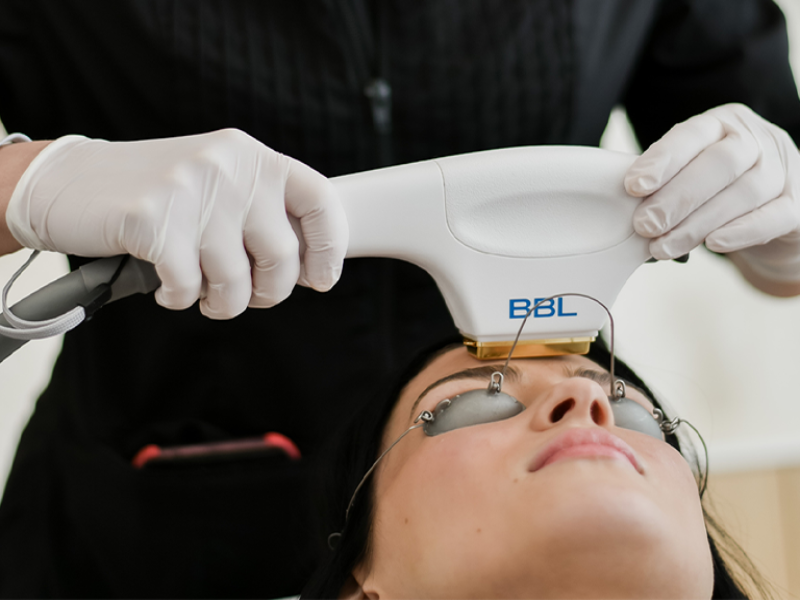

Skin pigmentation concerns can cause aesthetic discomfort for many people. In this article, we will discuss which types of skin spots may be considered for pigmentation treatment in Ankara. We will also provide information about pigmentation treatments and skin spot treatments.
What Is Pigmentation Treatment in Ankara?
Pigmentation treatment in Ankara includes medical and aesthetic procedures intended to reduce the appearance of discoloration and uneven skin tone. These treatments may be performed by dermatologists or appropriately qualified professionals depending on the method used.
The treatment process requires an individualized approach. Factors such as skin type, the depth of pigmentation, the type of discoloration, and its underlying cause may influence the choice of treatment.
Methods that may be considered include laser-based treatments, chemical peels, and microdermabrasion. Each method may be more suitable for certain types of pigmentation concerns.
Results vary according to the treatment method, skin characteristics, and type of pigmentation. Post-treatment care is also important for supporting skin recovery and reducing the likelihood of unwanted reactions.
Which Types of Skin Spots May Be Treated in Ankara?
Pigmentation treatments in Ankara may be considered for different types of skin discoloration. Common concerns include sun-related spots, age spots, and certain types of post-acne discoloration.
1. Sun Spots
Prolonged exposure to ultraviolet radiation may contribute to the development of brown spots, particularly on areas such as the face, hands, and arms.
Treatment may help reduce the visible contrast between these pigmented areas and the surrounding skin. The most appropriate method depends on the type and depth of pigmentation.
2. Age Spots
Age-related changes and cumulative sun exposure may contribute to the appearance of pigmented spots over time.
Treatment may help reduce the visibility of these spots and support a more even-looking skin tone. Individual response varies according to skin characteristics and the treatment method used.
3. Acne Marks
Previous acne may leave behind pigmentation changes or textural irregularities.
Depending on the type of mark, different treatments may be used to improve the appearance of the skin. It is important to distinguish between pigmentation and true acne scarring because they may require different treatment approaches.
Pigmentation Treatment Methods in Ankara
The methods used for pigmentation treatment in Ankara vary according to skin type and the nature of the discoloration.
Laser Treatment
Ankara Laser treatments may be used to target certain pigmentation concerns. Depending on the laser technology used, controlled energy may be directed toward pigment in the skin to help reduce its visible appearance.
Chemical Peeling
Chemical peeling involves the controlled application of specific substances to the skin surface. This may support exfoliation and skin renewal and may be considered for selected superficial pigmentation concerns.
The type and strength of the peel should be selected according to skin type and pigmentation characteristics.
Microdermabrasion
Microdermabrasion is a mechanical exfoliation procedure that removes part of the outermost layer of the skin.
It may be considered for certain superficial skin concerns, although its suitability depends on the type and depth of pigmentation.
Each treatment should be selected according to individual skin characteristics and professional assessment.
What Should Be Considered Before and After Pigmentation Treatment?
There are several important points to consider before and after pigmentation treatment.
Before Treatment
Professional Consultation: Before treatment, the skin and pigmentation should be evaluated to determine the most appropriate approach.
Skin Preparation: Depending on the procedure, a specific pre-treatment skin care routine may be recommended. Irritating products may sometimes need to be temporarily discontinued.
Setting Realistic Expectations: The degree of improvement varies from person to person. Some pigmentation concerns may require several sessions or a combination of treatments.
After Treatment
Sun Protection: Treated skin may become temporarily more sensitive to ultraviolet exposure. Appropriate sun protection may help reduce the likelihood of further pigmentation changes.
Moisturizing: Gentle moisturizers may help support the skin barrier during recovery.
Follow-Up Appointments: Follow-up may be useful for assessing the response to treatment and deciding whether additional sessions are appropriate.
Technologies Used in Pigmentation Treatment
Technologies used in pigmentation treatment continue to develop. The most appropriate option depends on the specific skin concern and individual characteristics.
Laser Technology
Certain laser systems may target pigment within the skin and help reduce the appearance of selected pigmentation concerns.
Treatment response and side-effect risk vary according to the device, wavelength, skin type, pigmentation depth, and treatment parameters.
IPL – Intense Pulsed Light
IPL uses a broad spectrum of light rather than a single laser wavelength.
It may be used for selected pigmentation concerns and uneven skin tone, particularly when the skin type and pigmentation characteristics are suitable.
Radiofrequency
Radiofrequency treatments primarily deliver controlled energy to deeper layers of the skin and are commonly associated with skin remodeling and collagen stimulation.
Their role in pigmentation treatment may vary according to the device and individual skin concern and should not be considered a direct treatment for every type of skin spot.
Frequently Asked Questions
How long does pigmentation treatment take?
Treatment duration depends on the type of pigmentation and the method used. Some procedures may take approximately 15–30 minutes, while others may require different treatment times.
Several sessions may be recommended depending on the condition of the skin and response to treatment.
What should I pay attention to after treatment?
Protecting the skin from excessive sun exposure, using appropriate moisturizers, and following professional aftercare recommendations are generally important.
Are pigmentation treatment results permanent?
Results may be long-lasting in some cases, but new pigmentation can develop due to sun exposure, hormonal changes, skin conditions, or other factors.
Ongoing sun protection and appropriate skin care may help maintain the improvement.
Can side effects occur?
Temporary redness, sensitivity, dryness, or irritation may occur after some treatments.
The likelihood and severity of side effects depend on the procedure, treatment settings, skin type, and individual response. Choosing an appropriate treatment method and following aftercare instructions can help reduce unnecessary risks.
 Call
Call
 Whatsapp