


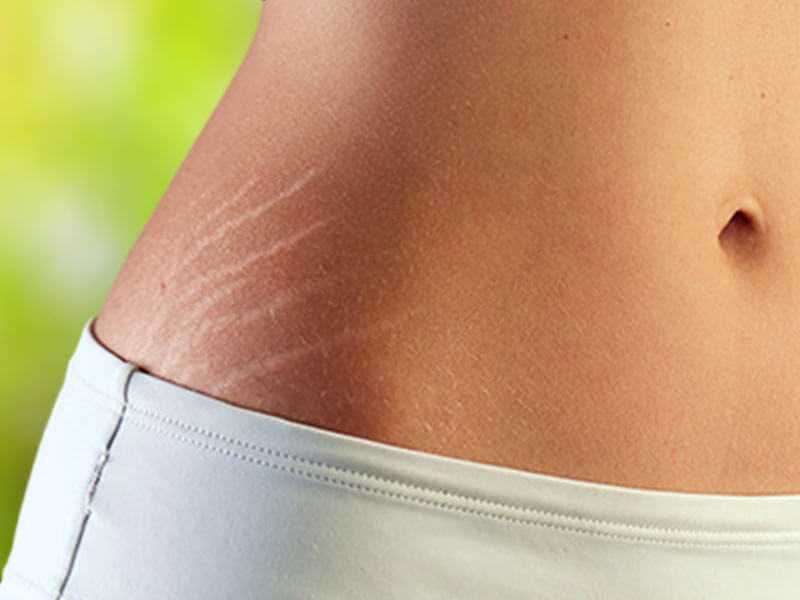

Stretch mark treatment refers to all methods applied to reduce the appearance of stretch marks that occur on the skin. This treatment generally targets stretch marks caused by skin stretching as a result of situations such as rapid weight gain or loss and pregnancy. With stretch mark treatment, the skin may gain a smoother and more aesthetically balanced appearance.
Stretch marks occur as a result of tears in the dermis layer of the skin. These marks appear when the skin loses elasticity or when skin tissue is damaged. They are commonly seen on areas such as the abdomen, hips, thighs, and breasts. Stretch mark treatment offers various techniques and products to reduce the appearance of these marks.
These treatment methods include laser treatment, microdermabrasion, chemical peeling, and topical creams. Each method is determined according to the depth of the stretch marks, skin type, and personal preference. Before starting stretch mark treatment, consulting a specialist is important for choosing the most suitable method.
Stretch Marks and Their Types
Stretch marks occur as a result of damage to collagen and elastin fibers in the skin and usually appear in two different types. The first type is early-stage stretch marks, which are newly formed red or purple marks. These marks have a noticeable color because the blood vessels in the skin are close to the surface, and they usually respond better to treatment.
The second type is mature stretch marks, which turn white over time. Although these marks may become less noticeable over time, they can leave a lasting appearance on the skin. Treatment of mature stretch marks is more challenging compared to early-stage stretch marks and generally requires a more intensive treatment process.
Stretch marks generally occur due to various reasons such as hormonal changes, rapid weight changes, genetic factors, and certain health conditions. Both types may be aesthetically disturbing and may affect individuals’ self-confidence. Fortunately, today there are effective solutions aimed at reducing the appearance of these marks.
Which Types of Stretch Marks Is Stretch Mark Treatment Preferred For?
Stretch mark treatment can be applied to both types of marks; however, the effectiveness of the treatment depends on the type and depth of the marks. In early-stage marks, starting treatment early generally provides better results. For these types of marks, methods such as topical creams or laser treatment are frequently preferred.
In mature stretch marks, the treatment process may be longer and more intensive. For these types of marks, methods such as microdermabrasion or chemical peeling may be more effective. The most important factors in the treatment of mature marks are the structure of the skin and the depth of the marks. For both types, consulting a dermatologist is important to decide on the most suitable treatment.
The success of stretch mark treatment depends on many factors such as skin type, age, genetic factors, and lifestyle. Therefore, creating a personalized treatment plan is critically important for achieving effective results. When looking for an answer to the question of which types of marks stretch mark treatment is preferred for, you should determine the most suitable method by considering your personal needs.
Methods Used in Stretch Mark Treatment
The methods used in stretch mark treatment vary depending on the type and depth of the stretch marks and the person’s skin type. Here are some commonly used effective methods in this treatment:
Laser Treatment: Laser beams target damaged tissues in the skin and stimulate collagen production. This method may be especially effective for early-stage stretch marks.
Microdermabrasion: This method gently exfoliates the upper layer of the skin and supports the formation of newer and healthier-looking skin cells. It is more commonly preferred for mature marks.
Chemical Peeling: Chemical peeling exfoliates the upper layer of the skin and supports the formation of new skin cells. This method may significantly reduce the appearance of stretch marks in suitable cases.
Other methods include topical creams, mesotherapy, and radiofrequency treatment. Each method is customized for different stretch marks and skin types. Therefore, consulting a specialist is important to determine the most suitable treatment method.
Things to Consider During the Stretch Mark Treatment Process
There are several important points to consider during the stretch mark treatment process. First, before starting treatment, it is important to have a detailed evaluation with a dermatologist and determine the most suitable method for your skin type. Second, during the treatment process, it is necessary to take good care of your skin, use the products recommended by your doctor, and keep your skin moisturized.
After treatment, avoiding sun exposure and protecting the skin from the sun are also important. This will both support the success of the treatment and help reduce the risk of new marks forming. In addition, adopting a healthy lifestyle, eating a balanced diet, and drinking enough water during the treatment process positively affect the skin’s recovery process.
Finally, stretch mark treatment is a process, and results are usually seen over time. Being patient and following the recommended treatment plan will help you achieve better results. If you experience any side effects or unexpected conditions during this process, you should consult your specialist.
Benefits of Stretch Mark Treatment
Stretch mark treatment offers many benefits in addition to supporting a smoother skin appearance aesthetically. First, this treatment reduces the appearance of stretch marks on the skin and helps the skin surface look more even. This may increase individuals’ self-confidence and help them feel more comfortable.
In addition, stretch mark treatment generally contributes to a healthier and more refreshed skin appearance by supporting skin elasticity. The methods used during the treatment process stimulate collagen production in the skin and strengthen the overall skin structure. This helps the skin look firmer and more flexible.
Finally, stretch mark treatment helps individuals develop better skincare habits. During this process, people become more conscious about skincare and more attentive to protecting skin health. Understanding the benefits of these methods plays an important role in the decision-making process for those considering stretch mark treatment.
Frequently Asked Questions About Stretch Mark Treatment
Does stretch mark treatment hurt?
The methods used in stretch mark treatment are generally minimally invasive and usually do not cause significant pain apart from mild discomfort. However, experiences may vary depending on the person’s pain threshold.
How long does the recovery process take after treatment?
The recovery process varies depending on the method used. After laser treatment, daily activities may usually be resumed within a few days, while skin recovery after chemical peeling may take a few weeks.
Do stretch marks completely disappear?
Stretch mark treatment may significantly reduce the appearance of marks; however, complete disappearance is generally not always possible. After treatment, the marks may become less noticeable, and the skin may appear smoother.
 Call
Call
 Whatsapp