


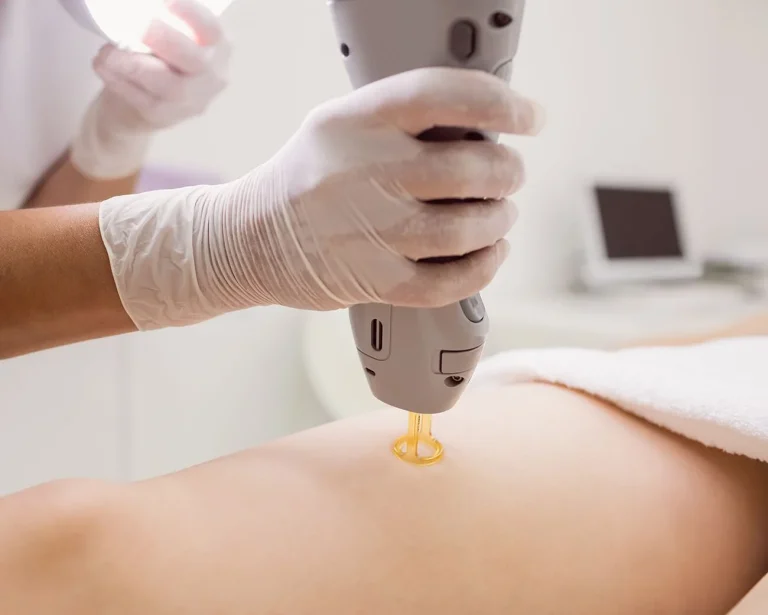

Although laser hair removal is safe for most people, it is not recommended in some cases. Here are the situations where laser hair removal is not recommended:
1. Pregnant Women and Nursing Mothers
The safety of laser hair removal during pregnancy has not been scientifically proven.
Since hormonal changes occur during breastfeeding, the effect of the laser may decrease.
2. Those with Skin Diseases
Laser can be a trigger for those with skin diseases such as eczema, psoriasis, and vitiligo.
It is not applied to people with open wounds or active infections.
3. Those with Very Dark Skin Color
Since laser hair removal targets dark pigment, the risk of burns and blemishes is high in very dark skin.
4. People who have recently tanned from the sun
Sunburned or tanned skin absorbs the laser more and burns, blemishes, and irritation may occur.
5. It is not applied on tattoos
Laser light can affect the tattoo ink and cause color change, burns, and skin damage.
6. Those with Hormonal Problems
In people with hormonal diseases such as polycystic ovary syndrome (PCOS), laser may not be effective or more sessions may be required.
7. Cancer Patients and Those with Weak Immune Systems
Laser is not suitable for those with a history of skin cancer.
The healing process may take a long time in people with suppressed immune systems.
8. Those Using Medications Like Roaccutane
In people using Isotretinoin (Roaccutane, Acnelyse, etc.), laser can cause severe irritation and burns because their skin is sensitive.
It is safer to have laser hair removal at least 6 months after stopping such medications.
 Call
Call
 Whatsapp