


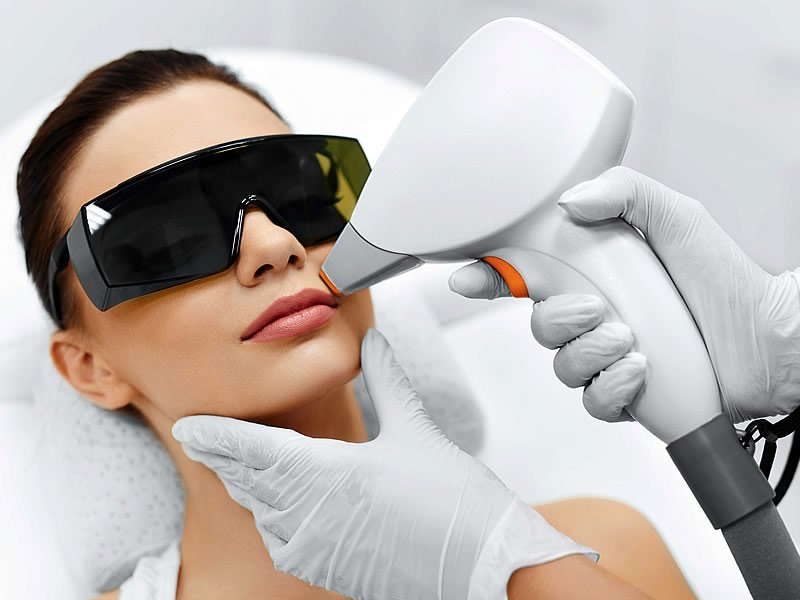

Electrolysis is a method used to remove unwanted hair by delivering electrical current to the hair follicle through a fine probe. This process helps target the hair root and significantly reduces regrowth. It is generally preferred for smaller areas and can provide long-term results.
Depending on hair thickness and density, multiple sessions may be required. Electrolysis is especially suitable for light-colored hair that may not respond well to laser treatments. However, results may vary between individuals.
It is important that the procedure is performed by trained professionals using sterile equipment to ensure both safety and effectiveness.
Who Should Not Have Electrolysis?
The question “Who is not suitable for electrolysis?” is important for those considering this method. Although it is effective, it may not be appropriate for everyone.
Pregnant individuals are generally advised to avoid electrolysis, as hormonal changes during this period can increase skin sensitivity.
People with skin conditions such as eczema or psoriasis should consult a specialist before undergoing the procedure. These conditions may increase the risk of irritation or side effects.
Additionally, individuals with pacemakers or other medical devices are typically advised not to undergo electrolysis. Since the method involves electrical current, it may interfere with such devices and pose health risks.
Each case should be evaluated individually, so seeking professional advice is essential.
Is Laser Treatment on the Face Harmful?
The question “Is laser treatment on the face harmful?” is frequently asked. Laser hair removal is commonly used on the face and is generally considered safe when performed correctly.
However, the facial area is more sensitive, and the procedure must be carried out carefully. Using the correct device and appropriate settings based on skin type helps minimize risks.
Temporary side effects such as redness, mild swelling, or irritation may occur, but these are usually short-lived. Receiving treatment from experienced professionals, such as those at Ankara Life Polyclinic, can help ensure a safer experience.
Advantages and Disadvantages of Laser Hair Removal
Laser hair removal offers several advantages. It provides fast and effective results and can be applied to large areas in a short time. It also helps achieve smoother skin for longer periods, reducing the need for frequent hair removal.
However, there are also some limitations. It may not be equally effective for all skin types and hair colors. For example, individuals with darker skin or very light hair may experience different results.
Possible side effects include temporary redness, mild swelling, or irritation. Although these are usually short-term, improper care may lead to longer-lasting effects. Therefore, both pre- and post-treatment care are important.
Important Information About Laser Hair Removal Procedures
Laser hair removal treatments should be planned individually. Since each person has different skin and hair characteristics, a detailed evaluation before treatment is essential.
In large cities like Ankara, many clinics offer specialized laser hair removal services. Different technologies such as Alexandrite, Nd:YAG, and Diode lasers are used depending on individual needs.
Providing clear information before treatment and setting realistic expectations can improve satisfaction. Additionally, proper skincare and sun protection between sessions are crucial for achieving better results.
Things to Consider After Laser Hair Removal
After laser hair removal, certain precautions should be taken to protect the skin. One of the most important is avoiding sun exposure, as the skin becomes more sensitive after treatment. Using high-SPF sunscreen is strongly recommended.
For the first few days, avoid products containing harsh chemicals that may irritate the skin. Instead, use gentle and moisturizing products. Drinking enough water also helps maintain skin hydration.
Finally, follow the recommended care routine until your skin is ready for the next session. Attending follow-up appointments and following professional advice can improve treatment effectiveness.
 Call
Call
 Whatsapp