


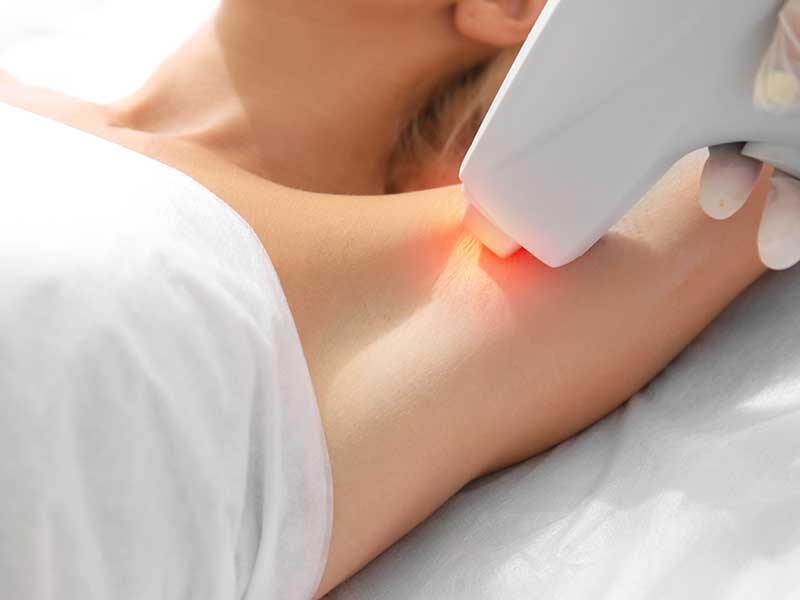

Full-body laser hair removal is a procedure preferred to achieve a long-term reduction in the density of unwanted hair on different areas of the body. Laser technology is used to target hair follicles and weaken their ability to produce new hair. Its potential to provide longer-lasting results compared with traditional hair-removal methods is one of its prominent features.
The basic working principle of laser hair removal is based on the absorption of laser light by the melanin pigment in the hair. The heat created through this absorption allows the hair follicles to be affected in a controlled manner. The effects of the procedure on the skin may vary depending on the type of device, treatment settings, skin type and hair structure.
Full-body laser hair removal may include areas such as the face, underarms, arms, legs, back, chest and bikini area. However, the areas included in a “full-body” procedure may vary according to the centre and the person’s individual needs. It is therefore important to clarify which areas are included in the treatment plan before the procedure.
Advantages of Laser Hair Removal
One of the main advantages of laser hair removal is that it may provide a long-term reduction in hair density following regular sessions. Although results vary from person to person, the hair may become sparser, finer and slower to grow. This may help reduce the need for traditional methods such as waxing, epilators or frequent shaving.
Another advantage is the potential reduction in the time devoted to hair removal. Since full-body procedures cover larger areas, the sessions may take longer than treatments for small areas. However, scheduling sessions at specific intervals may make daily personal-care routines easier to manage.
Laser hair removal may also contribute to reducing the appearance of ingrown hairs, redness and irritation that can occur after waxing or shaving. Temporary redness, sensitivity or warmth may still develop after laser treatment. The skin and hair structure should therefore be evaluated before the procedure.
Who May Be Suitable for Full-Body Laser Hair Removal?
Full-body laser hair removal may be suitable for people who have dense or unwanted hair on several areas of the body and regularly use hair-removal methods on those areas. The ability to include multiple areas within the same treatment process may provide a time-management advantage for people who do not want to arrange separate procedures.
Skin type, hair colour and hair thickness are among the main factors determining the effectiveness of the procedure. Traditionally, light skin combined with dark hair allows the laser light to be absorbed more easily by the hair follicles. However, devices with different wavelengths now make it possible to create individual treatment plans for a wider range of skin types.
White, grey, red or very light-coloured hair may contain limited melanin and may therefore respond less effectively to laser treatment. Fine and light-coloured hair may also produce different results compared with dark, thick hair. A decision should therefore not be based on skin tone alone; hair colour, density and thickness should also be considered.
The individual situation should be assessed when laser hair removal is being considered during pregnancy or breastfeeding. The procedure may be postponed in people with an active skin infection, open wounds, severe sunburn or a skin condition that could affect treatment. People who regularly use medication should disclose this information before the procedure, particularly when the medication may increase sensitivity to light.
Skin and Hair Types That May Respond to Laser Hair Removal
Hair colour and thickness are as important as skin tone in determining the response to laser hair removal. Dark and thick hairs may absorb more laser energy and therefore show a more noticeable response. Results are not determined by these characteristics alone; hormonal factors, the treatment area and the growth phase of the hair also affect the process.
Laser hair removal may also be planned for people with darker skin tones when an appropriate device and suitable settings are used. Since these individuals have higher levels of melanin in the skin, device selection and energy settings must be managed more carefully. The aim is to target the hair follicles while reducing unnecessary heat exposure to the surrounding skin.
Advances in technology allow laser systems to be adjusted for different skin and hair types. However, no device should be expected to provide the same results for every person and every type of hair. A pre-treatment assessment is important for selecting the appropriate device and treatment plan.
How Does the Laser Hair Removal Process Work?
The laser hair removal process begins with an initial assessment. The person’s skin type, hair colour, hair thickness, treatment areas, recent sun exposure, medications and previous skin reactions are considered. A personalised session plan is then created based on this information.
During the procedure, the head of the laser device is moved across the selected area. The laser light is absorbed by the pigment in the hair follicles and creates a controlled heating effect. A mild stinging sensation, warmth or a feeling similar to the snap of a rubber band may occur. The level of discomfort varies according to the person’s pain threshold, the treatment area and the device used.
The duration of a full-body session depends on the treatment scope and the characteristics of the device. A small area may be completed quickly, whereas procedures including several large areas may take longer.
Sessions are scheduled at specific intervals according to the hair-growth cycle. Laser energy may have a more noticeable effect on hairs that are in the active growth phase. The required number of sessions varies from person to person, and it is not always possible to provide an exact number at the beginning. Hormonal characteristics, regional differences, hair density and regular attendance may affect the result.
Points to Consider After Laser Hair Removal
Temporary redness, mild swelling, warmth or sensitivity may occur after laser hair removal. These effects usually decrease within a short period. Soothing, fragrance-free products recommended by the practitioner may be used to make the skin more comfortable.
Sun protection is important after the procedure. Intense ultraviolet exposure to treated areas may increase the risk of sensitivity and changes in skin colour. A broad-spectrum sunscreen suitable for the person’s skin type should be used on exposed areas and reapplied as needed.
Very hot showers, saunas, Turkish baths, tanning beds and intense exercise may need to be avoided during the first few days because they can increase skin temperature. Exfoliation, scrubbing, fragranced products and irritating cosmetic ingredients should also be avoided until the skin has recovered.
Waxing, tweezers and epilators, which remove hair from the root, should not be used between sessions. Shaving may be used when necessary, but care should be taken not to irritate the skin and the timing recommended by the practitioner should be followed.
The treatment provider should be contacted if redness lasts longer than expected or if severe burning, blistering or noticeable changes in skin colour occur.
Frequently Asked Questions About Laser Hair Removal
Is laser hair removal painful?
The level of discomfort experienced during laser hair removal varies from person to person. Some people may feel only mild warmth, while others may experience stinging or a sensation similar to a rubber band snapping against the skin. The treatment area, device and individual pain threshold affect the sensation.
How many sessions does full-body laser hair removal require?
The number of sessions varies according to skin type, hair colour, hair thickness, hormonal characteristics and the areas being treated. There is no exact number that applies to everyone. An estimated plan may be created after the first assessment and updated according to the response to treatment.
Is laser hair removal completely permanent?
Laser hair removal aims to provide a long-term reduction in hair density. Some hair may regrow after treatment or fine hairs may appear over time. Hormonal changes and individual characteristics may make maintenance sessions necessary in the future.
Can the same laser device be used on every area?
The same device or settings may not be suitable for every skin type, hair type or body area. Hair on the face, legs, back and bikini area may have different characteristics. The device and treatment parameters should therefore be selected according to the treatment area and the person’s individual features.
What should be considered before full-body laser hair removal?
Sun exposure and tanning beds should be avoided before treatment. Hair should not be removed from the root with waxing or tweezers, and all medications should be disclosed to the practitioner. On the day of the procedure, the treatment areas may need to be free from perfume, deodorant, creams and cosmetic products.
How is the cost of full-body laser hair removal determined?
The cost may vary according to the areas included, the technology used, the session plan and the person’s individual needs. Specific information can be provided after the treatment areas have been selected and the skin and hair assessment has been completed.
Full-body laser hair removal may be a suitable option for people who want to reduce hair density on several areas within the same treatment process. However, suitability should not be determined solely according to the amount of hair. Skin type, hair structure, medications and current skin condition should be assessed together.
An initial assessment at Ankara Lazer may help determine the treatment areas, device, session intervals and aftercare plan according to individual characteristics. Establishing realistic expectations and following the recommended aftercare steps may contribute to a more controlled treatment process.
 Call
Call
 Whatsapp