


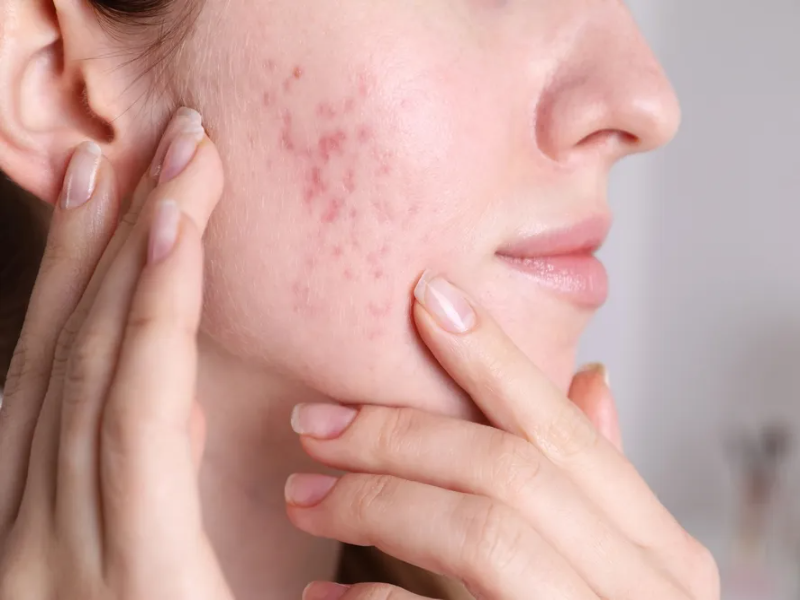

Acne scars are marks or textural changes that may remain after inflammatory acne. They can develop when inflammation affects the deeper layers of the skin and alters the normal healing process. Acne and pimple scars can appear in different forms, with atrophic depressions and raised hypertrophic scars among the more common types.
The development of acne scars is related to changes in collagen production during the healing process. Reduced collagen formation may contribute to depressed scars, while excessive collagen production may result in raised scars.
Acne scars may affect the appearance and texture of the skin and can be bothersome for some individuals. Today, different Acne Scar Treatment methods may help reduce their visible appearance and improve skin texture, although the degree of improvement varies from person to person.
Importance of Acne Scar Treatment
Acne scar treatment may be considered for individuals who are concerned about persistent changes in skin texture or appearance.
Improving the appearance of scars may also have a positive effect on self-confidence for some individuals, although psychological responses vary from person to person.
Selected Ankara Laser treatments and other dermatological procedures may be used to improve the appearance of certain acne scars. The most appropriate method depends on the type, depth, location, and severity of the scars as well as individual skin characteristics.
A dermatological assessment can help determine which treatment approach may be more suitable.
Who May Be Suitable for Acne Scar Treatment?
Acne scar treatment may be considered for individuals who have persistent scars and are bothered by their appearance.
However, treatment is not automatically suitable for everyone. Active acne, skin type, scar type, medical history, medications, previous treatments, and tendency to develop pigmentation or abnormal scarring should all be considered before treatment.
Treatment approaches should also be individualized according to the type and depth of the scars.
Some laser procedures may be more suitable for certain skin types, while other methods may be preferred when there is a higher risk of pigmentation changes.
Before treatment, it is important to discuss expectations with a dermatologist or appropriately qualified professional. Acne scars may improve significantly in some cases, but complete removal of all scars cannot be guaranteed.
Acne Scar Treatment Methods
Treatment methods vary according to the type of scar and individual skin characteristics.
Laser Treatment
Selected Ankara Laser procedures may be used to improve the appearance of certain acne scars.
Different laser technologies affect the skin in different ways. Some resurfacing lasers may stimulate remodeling of the skin and help improve selected atrophic scars.
Raised or hypertrophic scars may require different treatment approaches and should not automatically be treated in the same way as depressed acne scars.
Chemical Peeling
Chemical peeling involves controlled exfoliation of the outer layers of the skin.
It may be considered for selected superficial pigmentation changes and mild textural irregularities associated with acne.
The type and strength of the peel should be selected according to skin type and scar characteristics.
Microdermabrasion and Dermabrasion
Microdermabrasion mechanically exfoliates the outermost layer of the skin and may be used for selected superficial texture concerns.
Dermabrasion is a deeper resurfacing procedure and may be considered in selected cases, but it is more intensive and requires careful assessment.
Dermal Fillers
Dermal fillers may be used for selected depressed acne scars.
Hyaluronic acid-based or other appropriate fillers may temporarily improve the appearance of certain scars by adding volume beneath the depressed area.
The duration of improvement varies according to the product used and individual response.
Each treatment method has its own potential benefits, limitations, recovery period, and risks. Professional evaluation can help determine which approach may be more suitable.
What Should Be Considered Before Acne Scar Treatment?
Several factors should be considered before beginning acne scar treatment.
First, active acne should generally be evaluated and appropriately managed before scar-focused procedures are planned. Ongoing inflammatory acne may contribute to the formation of new scars.
The individual's skin type, tendency toward pigmentation, sensitivity, medical history, and response to previous procedures should also be assessed.
Realistic expectations are important. Improvement may occur gradually and multiple sessions or a combination of treatment methods may sometimes be required.
Possible Side Effects of Acne Scar Treatment
As with other medical and aesthetic procedures, acne scar treatments may cause side effects.
Temporary redness, sensitivity, swelling, dryness, or peeling may occur after certain laser or resurfacing treatments.
Chemical peels and dermabrasion may also cause temporary irritation, peeling, or changes in skin sensitivity depending on the depth of the procedure.
Pigmentation changes, prolonged redness, infection, or scarring are less common but possible complications of some treatments.
The likelihood and severity of side effects depend on the treatment method, skin characteristics, treatment intensity, and individual response.
Care After Acne Scar Treatment
Appropriate aftercare is important following acne scar treatment.
Gentle cleansing, suitable moisturization, and protection from excessive sun exposure may help support the skin during recovery.
Broad-spectrum sunscreen may be recommended because recently treated skin can be more sensitive to ultraviolet exposure and may be more prone to pigmentation changes.
Potentially irritating skin care products may need to be temporarily avoided depending on the treatment performed.
Dermocosmetic products may also be recommended according to the individual's skin condition and treatment plan.
Follow-up appointments can help evaluate healing and determine whether additional treatment is appropriate.
Frequently Asked Questions About Acne Scar Treatment
1. Does acne scar treatment hurt?
The level of discomfort depends on the treatment method, treatment depth, area being treated, and individual sensitivity.
Some procedures may require topical or local anesthesia, while others may be performed without anesthesia.
2. How long does it take to see results?
Results vary according to the treatment method, scar type, and individual skin response.
Some changes may become noticeable within several weeks, while remodeling after certain procedures may continue for several months.
3. Are acne scar treatment results permanent?
Improvement in scar appearance may be long-lasting, but results vary according to the treatment performed and individual skin characteristics.
New acne can also lead to new scars if it is not appropriately managed.
For this reason, long-term skin care and acne control may remain important after scar treatment.
4. How can I reduce the risk of side effects?
Following professional aftercare recommendations, protecting the skin from excessive sun exposure, avoiding unnecessary irritation, and attending recommended follow-up appointments may help reduce avoidable risks.
The safest treatment approach depends on selecting a method that is appropriate for the individual's scar type, skin characteristics, and medical history.
 Call
Call
 Whatsapp