


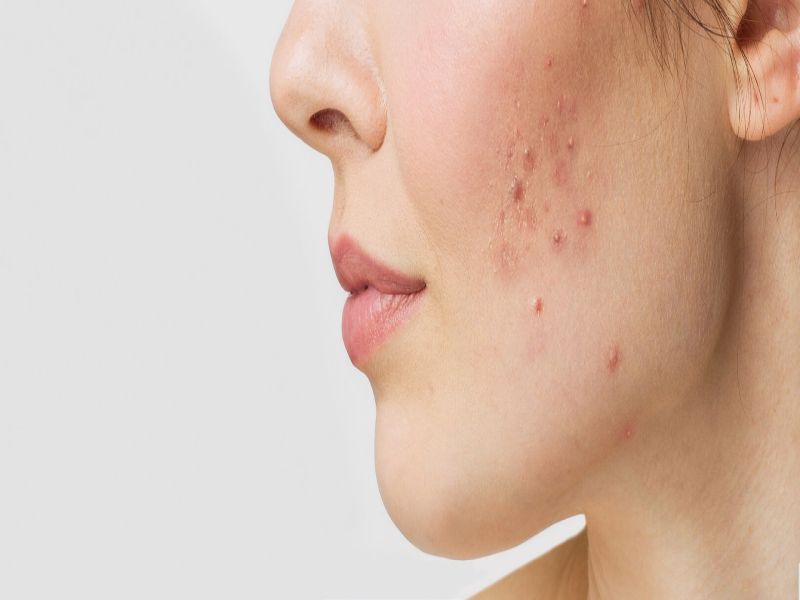

Acne treatment includes various methods used to control active acne, reduce new breakouts and manage the marks or scars that may remain afterwards. Acne is particularly common during adolescence, but it may also continue or first appear in adulthood. Treatment may focus on preventing new lesions, reducing inflammation and supporting the skin’s recovery.
Modern procedures available through Ankara Laser centres may be considered for selected acne-related concerns, particularly post-acne pigmentation and acne scars. Depending on the technology used, laser procedures may support skin renewal and reduce the visibility of certain marks. However, active acne and structural acne scars require different treatment approaches.
Other acne treatment options may include topical products, oral medications and an appropriate skincare routine. Since every individual has a different skin type and form of acne, consulting a dermatologist is important. A specialist can assess the cause and severity of the condition and prepare a personalised treatment plan.
The Importance of Acne Treatment
The importance of acne treatment is not limited to aesthetic concerns. Inflamed acne may leave persistent pigmentation or permanent scars, which can affect an individual’s self-confidence. Appropriate treatment may reduce the risk of scarring and support a healthier-looking complexion.
Acne may also be influenced by factors such as hormonal changes, genetic predisposition, certain medications, stress and skincare habits. Treatment may therefore include an assessment of possible contributing factors rather than focusing only on visible lesions.
Acne can also affect quality of life. Individuals experiencing persistent breakouts may feel uncomfortable in social situations or become concerned about their appearance. Effective management may improve skin health and help reduce these concerns.
Types of Acne and Treatment Methods
Acne may appear in different forms, and the treatment approach varies according to the type and severity of the lesions. Acne and acne scar treatments should therefore be planned individually. Common types include whiteheads, blackheads, papules, pustules, nodules and cysts.
Whiteheads and Blackheads
These lesions generally develop when pores become blocked by oil and dead skin cells. Topical retinoids, salicylic acid and other professionally recommended products may be used to help keep the pores clear.
Papules and Pustules
Papules and pustules are inflamed acne lesions. Depending on the severity of the condition, treatment may include topical antimicrobial products, retinoids or oral medication prescribed by a dermatologist.
Antibiotics should only be used when medically appropriate and for the period recommended by a doctor. They should not be started without professional guidance.
Nodules and Cysts
Nodules and cysts are deeper, often painful lesions that carry a higher risk of scarring. They generally require assessment by a dermatologist. Treatment may involve prescription medication or selected medical interventions.
Corticosteroid injections may occasionally be used by a dermatologist for individual, severely inflamed lesions. Laser procedures are generally considered separately for residual pigmentation or scarring rather than as the primary treatment for every active nodule or cyst.
Although the treatment method varies for each acne type, all treatment plans should be guided by a dermatologist. The appropriate approach is determined according to the severity of the acne, the risk of scarring and the individual’s skin characteristics.
Who May Be Suitable for Acne Treatment?
Acne treatment may be suitable for individuals of different age groups. Adolescents who experience increased breakouts because of hormonal changes may benefit from professional assessment and treatment. However, acne is not limited to adolescence and may also affect adults.
Individuals with persistent, painful or inflamed acne may be suitable candidates for treatment. Professional support is particularly important when acne begins to leave pigmentation or scars, does not improve with an appropriate skincare routine or affects emotional well-being.
People who experience frequent breakouts despite taking regular care of their skin may also consider acne treatment. In these cases, the skincare products being used, possible hormonal factors and other contributing causes should be reviewed.
Acne and acne scar treatments may also be considered for individuals with post-acne pigmentation or uneven skin texture. However, treatments for active acne and treatments for scars should be planned as separate stages when necessary.
Pregnant or breastfeeding individuals and people using certain medications may require modified treatment plans. A dermatologist should therefore be informed about medical history, pregnancy status, current medications and previously used acne treatments.
Points to Consider During Acne Treatment
Several important factors should be considered before beginning acne treatment. The first step should be a professional dermatological assessment. Since skin type, acne severity and possible causes differ between individuals, a personalised plan is important.
A consistent skincare routine also plays a critical role during treatment. Even when procedures such as Ankara Laser applications are included in the plan, gentle cleansing, suitable moisturising and sun protection should not be neglected.
Picking, squeezing or scratching acne lesions should be avoided. These actions may increase inflammation and raise the risk of pigmentation and permanent scarring.
Products containing strong active ingredients should not be combined without professional guidance. Using several exfoliating acids, retinoids or drying products at the same time may damage the skin barrier and worsen irritation.
Patience is also necessary. Acne treatment generally requires time, and immediate improvement should not be expected. Some treatments may initially cause dryness, sensitivity or temporary changes in the skin. Regular use of prescribed treatments and adherence to the dermatologist’s recommendations support a safer and more effective process.
 Call
Call
 Whatsapp