


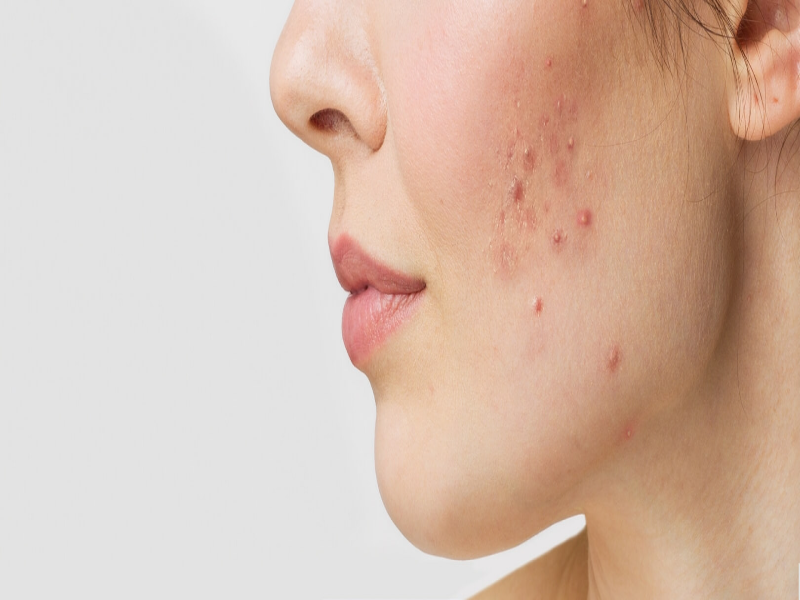

Depressed acne scars are deeper changes in the skin that may develop after inflammatory Acne & Pimple Scar problems. These depressions form when the normal healing process and collagen remodeling are disrupted, creating noticeable irregularities on the skin surface. For some individuals, these scars may cause aesthetic concerns and may also affect how they feel about their appearance.
These depressions may develop when insufficient collagen is produced during acne healing or when the newly formed tissue does not restore the original skin structure completely. Acne scars can appear in different forms; some are relatively superficial and mild, while others are deeper and more noticeable. The type and depth of the scar are important when deciding which treatment approach may be appropriate.
Depressed acne scars are primarily a structural skin concern, but they may also affect self-confidence for some individuals. Visible scars can influence social or professional comfort in different ways from person to person. For this reason, some individuals consider Depressed Acne Scar Treatment to improve skin texture and reduce the visible appearance of these scars.
Who May Be Suitable for Depressed Acne Scar Treatment?
The question of who may be a suitable candidate for depressed acne scar treatment depends on several individual factors. Treatment may be considered for people with persistent atrophic acne scars who are concerned about their appearance. However, the skin condition, scar type, medical history, and general health should all be evaluated before deciding whether treatment is appropriate.
Skin characteristics should first be assessed before treatment begins. Individuals with sensitive skin may react differently to certain procedures. Active acne, skin infections, open wounds, or other dermatological conditions may also affect whether treatment should be postponed or modified. A stable skin condition can make treatment planning more predictable, but suitability still depends on the specific procedure.
General health should also be considered when deciding on treatment. Individuals with certain chronic conditions, impaired wound healing, immune-related conditions, or specific medication use may require additional evaluation. Allergies, previous reactions to treatments, pregnancy status where relevant, and a tendency to develop abnormal scars may also influence the treatment plan.
Depressed Acne Scar Treatment Methods
Several different methods may be considered for depressed acne scars, and the choice depends on the individual's skin characteristics and the type and depth of the scars. Acne & Pimple Scar Treatments may include laser procedures, chemical peels, microneedling, subcision, fillers, or other techniques selected according to the scar pattern.
- Laser Treatment: Different laser technologies create controlled effects in the skin and may support remodeling of selected acne scars. Some Ankara Laser procedures may be ablative while others are non-ablative, so recovery time and suitability vary considerably according to the device, settings, skin type, and scar characteristics.
- Chemical Peeling: Chemical peeling creates controlled exfoliation of selected skin layers and may help improve certain superficial irregularities or post-acne pigmentation. Its effect on deeper depressed scars is more limited, and the type and depth of the peel should be chosen carefully.
- Microneedling: In this technique, controlled micro-injuries are created in the skin to stimulate a wound-healing response associated with collagen remodeling. Microneedling may help reduce the appearance of selected atrophic acne scars, although the degree of improvement varies from person to person.
When choosing between treatment methods, skin type, scar pattern, scar depth, previous procedures, recovery expectations, and individual risk factors should be considered. Each method has different advantages, limitations, and potential side effects, so professional dermatological evaluation is important.
Evaluation Before Treatment
A detailed assessment is recommended before starting depressed acne scar treatment. This evaluation helps determine whether treatment is appropriate and which method may be more suitable. The overall condition of the skin, the type of scars, their depth, location, and distribution can all be examined during this stage.
This assessment can help guide treatment selection. Skin phototype, sensitivity, medical history, previous skin conditions, active acne, and current medications may all be considered during planning. Previous treatments and how the skin responded to them may also provide useful information when choosing a new approach.
Expectations should also be discussed before treatment. Individuals should understand that complete removal of acne scars cannot always be achieved and that improvement may require several sessions or combined methods. Guidance from a dermatologist or appropriately qualified professional can help create a more realistic treatment plan and clarify possible outcomes and recovery requirements.
Potential Benefits of Depressed Acne Scar Treatment
Depressed acne scar treatment aims primarily to reduce the visible depth of scars and improve overall skin texture. A smoother-looking skin surface may help some individuals feel more comfortable with their appearance, although psychological or social benefits vary from person to person. The amount of visible improvement also depends on scar type and treatment response.
Some procedures work by promoting controlled collagen remodeling within the skin. This may gradually improve the appearance of selected atrophic scars and certain textural irregularities. However, acne scar treatment should not be described as a general method for improving all aspects of skin health, delaying aging, or creating a younger appearance in every individual.
Some acne scar treatments are minimally invasive, while others may be more intensive and require a longer recovery period. Return to daily activities depends on the procedure and individual healing response. Visible improvement may also develop gradually rather than appearing immediately after treatment, especially when collagen remodeling is involved.
Possible Side Effects of Depressed Acne Scar Treatment
As with other medical and aesthetic procedures, depressed acne scar treatments may cause side effects. The type and severity of these effects depend on the treatment performed, treatment intensity, skin characteristics, and individual healing response. Some reactions may be mild and temporary, while others may require closer follow-up.
- Redness and Swelling: Temporary redness or swelling may occur after treatment. The duration can range from a short period to longer depending on the procedure. More intensive laser or resurfacing treatments may produce more noticeable and longer-lasting reactions.
- Crusting and Peeling: Peeling, dryness, or crusting may occur after selected chemical peels, laser procedures, or other resurfacing treatments. These reactions should be managed according to professional aftercare instructions and should not be interpreted as proof that the treatment has worked.
- Discomfort and Itching: Mild discomfort, tightness, tenderness, or itching may occur in the treated area. These symptoms often improve gradually, but increasing pain, discharge, marked swelling, or worsening redness should be professionally assessed.
Following aftercare recommendations can help reduce avoidable irritation and support recovery. If an unusual reaction, persistent symptoms, signs of infection, or progressively worsening side effects develop, professional evaluation should be obtained rather than waiting for symptoms to resolve on their own.
Treatment Process and Recovery Time
The treatment process varies according to the method selected. Some treatments may be planned over several sessions with sufficient recovery time between procedures. The interval between sessions should be determined according to skin healing, treatment intensity, and the method being used rather than following the same schedule for every person.
Recovery time also differs according to treatment type and individual response. Certain minimally invasive procedures may involve only a short period of redness or sensitivity, while deeper laser, peeling, or resurfacing procedures may require longer recovery. Temporary redness, swelling, peeling, sensitivity, or crusting may occur during this period and may affect daily activities differently for each individual.
Post-treatment skin care is an important part of the recovery process. Gentle cleansing, appropriate moisturization, sun protection, and products recommended according to the procedure can help support skin recovery. These measures may reduce unnecessary irritation, but they cannot guarantee faster healing or a specific degree of improvement in acne scars.
What Should Be Considered During Depressed Acne Scar Treatment?
Several important factors should be considered during depressed acne scar treatment. A detailed assessment before treatment can help identify the scar type, skin phototype, pigmentation tendency, active acne, medical history, and other factors that may influence the procedure. Treatment should then be selected according to these findings.
Working with a dermatologist or appropriately qualified professional is important during treatment planning. The practitioner can determine which treatment or combination of treatments may be appropriate and explain possible risks, expected recovery, and aftercare. Following individualized post-treatment instructions can also help support normal healing.
Finally, expectations should be realistic before treatment begins. The aim is generally to reduce the visible appearance of depressed acne scars and improve skin texture rather than completely erase every scar. The degree of improvement varies according to scar type, skin characteristics, treatment method, and individual healing response.
 Call
Call
 Whatsapp