


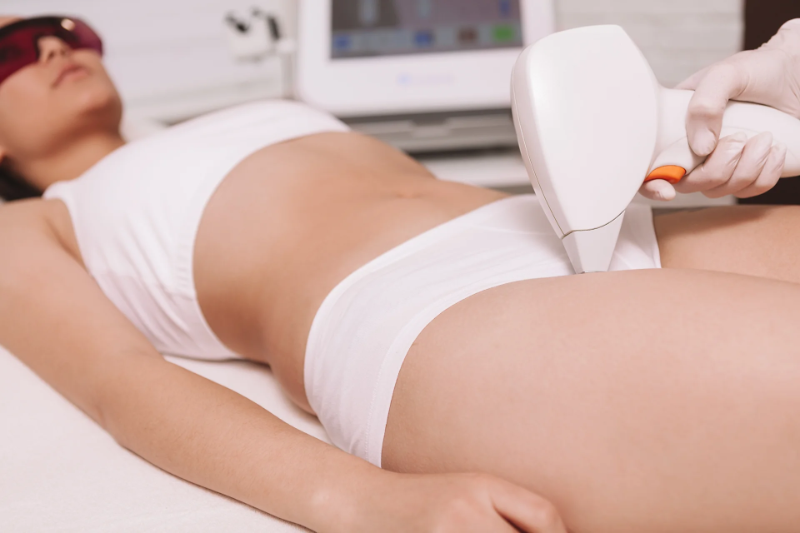

Alexandrite laser hair removal is a commonly used method for long-term reduction of unwanted hair. This technology uses a laser wavelength of approximately 755 nanometers to target pigment within the hair follicles. It is often particularly suitable for individuals with lighter skin tones and darker, more pigmented hair.
Alexandrite laser systems offer several practical advantages. Sessions may be relatively fast, particularly when treating larger areas. Depending on the device and cooling technology used, treatment comfort may also be improved. However, every individual's skin and hair characteristics are different, so treatment response can vary from person to person.
At centers providing Ankara Laser applications, Alexandrite systems may be selected according to the individual's skin tone, hair color, hair thickness, and treatment area. Professional assessment is important for determining whether this technology is appropriate.
Advantages of Alexandrite Laser Hair Removal
One of the main advantages of Alexandrite laser hair removal is its ability to treat relatively large areas efficiently. Noticeable hair reduction may develop gradually over a series of sessions.
The system primarily targets pigment in the hair follicle. Appropriate treatment settings are important for reducing unnecessary exposure of the surrounding skin.
Another potential advantage is treatment comfort. Devices equipped with cooling systems may help reduce the sensation of heat or stinging during the procedure.
The number of sessions required varies from person to person. It would not be accurate to state that Alexandrite laser always requires fewer sessions than other technologies, as treatment response depends on hair density, hair cycle, treatment area, hormonal factors, and individual skin characteristics.
Who May Be Suitable? – Skin and Hair Type
Alexandrite laser hair removal may be particularly suitable for individuals with lighter skin tones and darker, thicker hair.
The contrast between lighter skin and darker hair allows the laser energy to target pigment within the hair more selectively.
Individuals with darker skin tones require more careful assessment because higher levels of melanin in the skin may also absorb laser energy. Depending on skin phototype and other factors, different laser technologies or modified treatment parameters may be more appropriate.
People with very fine, blonde, grey, white, or lightly pigmented hair may respond less effectively because these hairs contain less pigment for the laser to target.
For this reason, professional assessment of both skin tone and hair characteristics is important before treatment.
Who May Not Be Suitable for Alexandrite Laser Hair Removal?
Alexandrite laser hair removal may not be the most appropriate option for every individual.
People with darker skin tones may require particular caution because the skin contains more melanin, which may increase the risk of unwanted pigment changes or burns if inappropriate settings are used. Alternative laser technologies may be considered depending on the person's skin type.
Laser hair removal is generally postponed during pregnancy as a precautionary approach. During breastfeeding, suitability may depend on the treatment area, skin condition, medications, and professional assessment.
Individuals using photosensitizing medications or those with certain active skin conditions should also inform the practitioner before treatment.
Very light or fine hair may respond poorly to Alexandrite laser because the hair contains insufficient pigment to effectively absorb the laser energy.
What Should Be Considered Before and After Treatment?
Several precautions should be considered before Alexandrite laser hair removal.
Excessive sun exposure and tanning should generally be avoided before treatment because recently tanned skin may increase the likelihood of unwanted skin reactions.
Waxing, tweezing, and other methods that remove hair from the root should usually be avoided for a period before the session. Shaving may instead be recommended according to the practitioner's instructions.
After treatment, temporary redness, warmth, or sensitivity may occur. These reactions generally improve gradually.
Sun protection is particularly important after treatment. Depending on the area treated, broad-spectrum sunscreen and limiting direct sun exposure may be recommended.
Gentle moisturizers may also help support skin comfort. Harsh exfoliants, strongly fragranced products, or other potentially irritating skin care products may need to be temporarily avoided.
Possible Side Effects of Alexandrite Laser Hair Removal
As with other laser procedures, Alexandrite laser hair removal may cause temporary side effects.
Common reactions may include mild redness, swelling around the follicles, warmth, or temporary sensitivity. These generally improve within a short period, although recovery varies between individuals.
Less commonly, pigmentation changes, blistering, burns, or prolonged irritation may occur. The risk can be influenced by skin type, sun exposure, device selection, treatment settings, and practitioner experience.
If significant or persistent symptoms develop after treatment, professional medical advice should be sought.
Comparison Between Alexandrite Laser Hair Removal and Other Methods
Alexandrite laser differs from technologies such as IPL, Diode, and Nd:YAG in terms of wavelength, target characteristics, and suitability for different skin types.
IPL uses a broad spectrum of light rather than a single laser wavelength. Alexandrite laser uses a specific wavelength of approximately 755 nm, allowing selective targeting of pigment in suitable skin and hair combinations.
Nd:YAG laser systems are often considered for darker skin tones because their longer wavelength interacts differently with epidermal melanin. Diode lasers may also be suitable for a range of skin and hair types depending on the device and treatment parameters.
Compared with temporary methods such as shaving or waxing, Alexandrite laser may provide longer-term hair reduction. However, no single method is the best choice for everyone.
Frequently Asked Questions About Alexandrite Laser Hair Removal
1. Does Alexandrite laser hair removal hurt?
The sensation varies from person to person. Mild warmth, stinging, or a snapping sensation may be experienced. Cooling systems can help improve comfort during treatment.
2. How many sessions are required?
Some individuals may undergo approximately 6–8 sessions, but this is not a fixed number. Hair density, treatment area, hair growth cycle, hormonal factors, and individual response can all affect the required number of sessions.
3. What should I pay attention to after treatment?
Protecting the treated area from excessive sun exposure, using suitable moisturizers, and temporarily avoiding irritating products may be recommended.
4. Are the results permanent?
Alexandrite laser hair removal can provide long-term hair reduction. However, hormonal changes, age, medications, and other individual factors may contribute to new or renewed hair growth over time. Maintenance sessions may occasionally be needed.
5. Is this method suitable for everyone?
No. Suitability depends on skin tone, hair color, hair thickness, medical history, medications, recent sun exposure, and the technology used. A professional assessment is the most appropriate way to determine whether Alexandrite laser hair removal is suitable for an individual.
 Call
Call
 Whatsapp