



Hormonal Changes
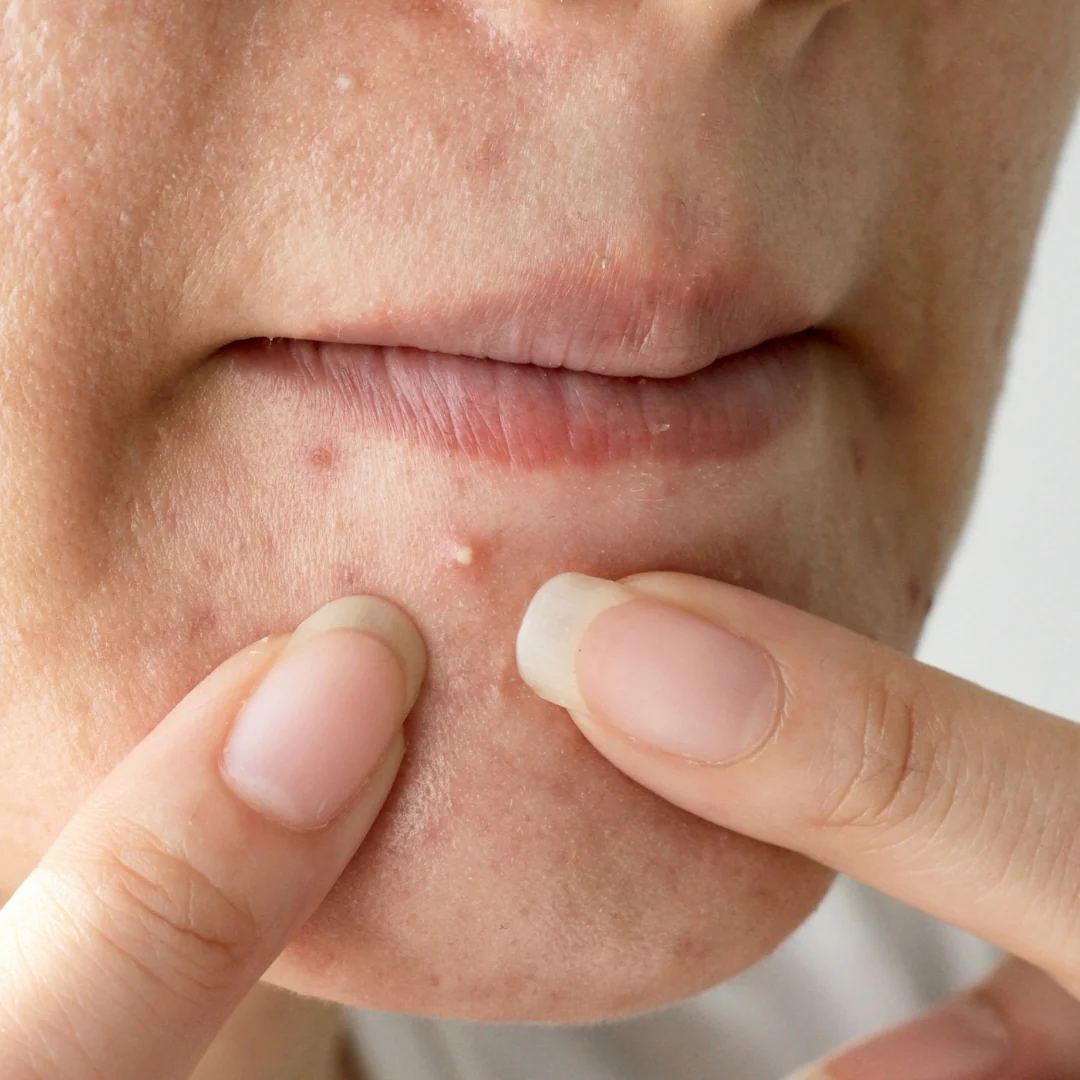
One of the most obvious changes during puberty is the rapid change in hormone levels. Hormones such as testosterone and estrogen increase rapidly during puberty. These hormones have a direct effect on the oil glands in the skin. Testosterone can increase oil production, causing an overproduction of sebum. Excess sebum leads to clogged pores and bacteria accumulation, which is one of the main causes of acne. This fluctuation in hormone levels can cause acne and acne problems to occur frequently.
Overactivity of Sebaceous Glands
Hormones affect the oil glands in our skin, as well as in other parts of the body. Increased hormone levels during puberty cause the oil glands to overwork. Excess oil production leads to clogged pores, dirt and dead skin cells. This buildup creates a suitable environment for bacteria to grow. As a result, this situation triggers acne. Acne can be seen more intensely on the face, back and chest.
Genetic Factors
Another important factor affecting acne formation during adolescence is genetic predisposition. If your family, especially your mother or father, has severe acne problems, you may be more likely to develop acne during adolescence. Genetic factors can determine your skin type, how well your oil glands work, and how your body responds to acne.
Stress
Adolescence is a challenging process not only physically but also emotionally. Many factors such as school, friendships, and family problems can cause adolescents to experience stress. Stress increases the body's production of cortisol, which can lead to increased oil production in the skin. Increased oil production leads to clogged pores, which can trigger acne. This negative effect of stress on the skin is a common problem during adolescence.
Skin Care and Hygiene
Individuals in adolescence may sometimes experience a lack of care for their skin. Although it is important to use soap and face wash products to cleanse the skin of excess oil, excessive cleansing can also disrupt the skin's balance. In addition, the chemicals found in some skin care products can clog pores and increase acne formation. In addition, not choosing the right products when applying makeup or going to bed without removing makeup are also among the factors that trigger acne formation.
Eating Habits
Eating habits during adolescence can also affect skin health. High-sugar foods, fast food and processed foods can negatively affect skin health. Such foods can cause inflammation in the body, which in turn triggers acne formation. While low-fiber, fatty and sugary foods in particular can increase acne, a healthy diet can positively affect skin health.
Drugs That Trigger Acne
Some medications can increase acne formation during adolescence. Especially steroid-containing medications and some birth control pills can affect hormone levels and increase oil production in the skin. Individuals in adolescence may experience skin problems while using such medications. It is important to consult a doctor to determine the relationship between medication use and acne.
Environmental Factors
Environmental factors can also trigger acne formation during adolescence. Factors such as hot weather, humidity, polluted air and chemicals can cause the pores on the skin to become clogged. Especially in the summer months when sweating increases, sweat and oil accumulated in the body can lead to skin problems. For this reason, adolescents need to pay more attention to skin care in hot weather.
Things to Consider in Acne Treatment
Acne seen during adolescence is usually a temporary condition and can be cured with the right treatment. However, the treatment process should be personalized. It is important for adolescents to get help from a dermatologist for acne treatment. Acne treatment is possible with topical treatment, oral medications and skin care products. In addition, lifestyle changes such as stress management, regular skin cleansing and healthy nutrition can also support the treatment process.
Conclusion
Acne during adolescence can be caused by many factors, from hormonal changes to genetic predisposition. This period is a period when oil production in the skin increases and hormone levels change, so acne formation is quite common. However, acne problems can be managed and passed over time with the right skin care and treatment methods. Adolescents can go through this period more comfortably by not drying their skin too much, using the right care products and adopting a healthy lifestyle.
Dr. Fatma Yıldız – Ankara Life Polyclinic
 Call
Call
 Whatsapp