


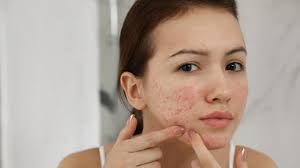

The Most Common Causes of Cheek Acne
The formation of acne on the cheeks usually occurs due to clogged pores and increased oil production. One of the areas on our face that produces the most oil is the cheeks. Excess oil in the skin, combined with dead skin cells and bacteria, causes pores to become clogged, which triggers acne formation.
Hormones and the Cheek Area
Changes in hormones are one of the biggest causes of acne formation. In particular, conditions such as puberty, menstruation, pregnancy and stress can lead to hormonal imbalances. Acne in the cheek area is usually associated with hormonal changes. Hormones can increase oil production in the skin, causing pores to become clogged.
The Effect of Stress
Stress causes the body to increase stress hormones such as cortisol. These hormones trigger more oil production in the skin and cause pores to become clogged. The cheek area is an area where stress is more effective in the body. High stress levels can cause acne to increase. Managing stress is an important factor in preventing acne on the cheeks.
Eating Habits
What we eat directly affects skin health. Sugary, oily and processed foods can increase oil production in the skin and lead to acne. Especially foods with a high glycemic index increase blood sugar rapidly, causing hormonal imbalances, which trigger acne. A healthy, balanced diet reduces inflammation in the skin and helps prevent acne.
Insufficient Skin Cleansing
Not paying enough attention to skin cleansing causes dirt, oil and makeup residue on the skin to clog the pores. The cheek area is especially affected by makeup and environmental factors. Not removing makeup before finishing the day can cause bacteria to multiply on the skin and cause inflamed acne. Regular skin cleansing and using the right products are important to prevent acne.
Make-up and Skin Products
Another cause of acne on the cheeks is the makeup and skin care products used. Comedogenic (pore-clogging) makeup or skin care products can cause acne to increase. In addition, chemicals found in some skin products can cause irritation on the skin and trigger acne. It is important to be gentle when removing makeup and use products suitable for your skin type.
Lack of Sleep and Hormone Imbalance
Irregular sleep leads to an increase in stress hormones in the body. This can lead to increased oil production and accelerated acne formation. In addition, the skin renews itself during sleep. Insufficient sleep can disrupt this renewal process and worsen skin problems. Regular sleep helps balance hormones and prevents acne formation.
What to Do to Prevent Cheek Acne?
A few simple steps can be taken to prevent acne formation on the cheek. First, create a cleansing routine suitable for your skin type and be sure to remove makeup in the evening. Provide adequate care for your skin by using moisturizer regularly. In addition, a balanced diet and adequate sleep will positively affect your skin health. Managing stress and acquiring healthy living habits also play an important role in solving this problem.
 Call
Call
 Whatsapp