


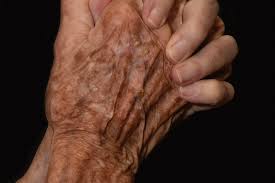

Why Do Age Spots (Lentigo) Occur?
Age spots are also known as sun spots (solar lentigo) and are usually seen in individuals aged 50 and over. However, they can also appear at younger ages due to intense sun exposure.
1. Sun Exposure (UV Rays) ☀️
Skin exposed to the sun for many years increases melanin production, causing spots to form. Sun rays cause DNA damage in skin cells, triggering the process of hyperpigmentation (dark spots on the skin).
2. Decrease in Skin Renewal Rate with Aging ????️
As we age, the time it takes for skin cells to renew themselves increases. This causes melanin accumulation, causing brown and dark spots to become permanent.
3. Genetic Predisposition ????
Some people are genetically more prone to age spots. It can be seen at an earlier age in individuals with such spots in their family.
4. Hormonal Changes ????
Hormonal changes such as menopause can cause pigmentation disorders in the skin. A decrease in estrogen levels can affect melanin production and increase spots.
5. Free Radicals and Environmental Factors ????
Factors such as air pollution, smoking, stress and unhealthy nutrition cause oxidative stress in the skin, accelerating the formation of age spots.
Antioxidant deficiency (such as vitamin C, vitamin E) reduces the resistance of skin cells to damage.
6. Skin Trauma and Inflammation ????
Post-inflammatory hyperpigmentation may develop after past skin irritations, burns or inflammatory acne.
Improper applications such as chemical peeling or laser can also increase spots.
 Call
Call
 Whatsapp