


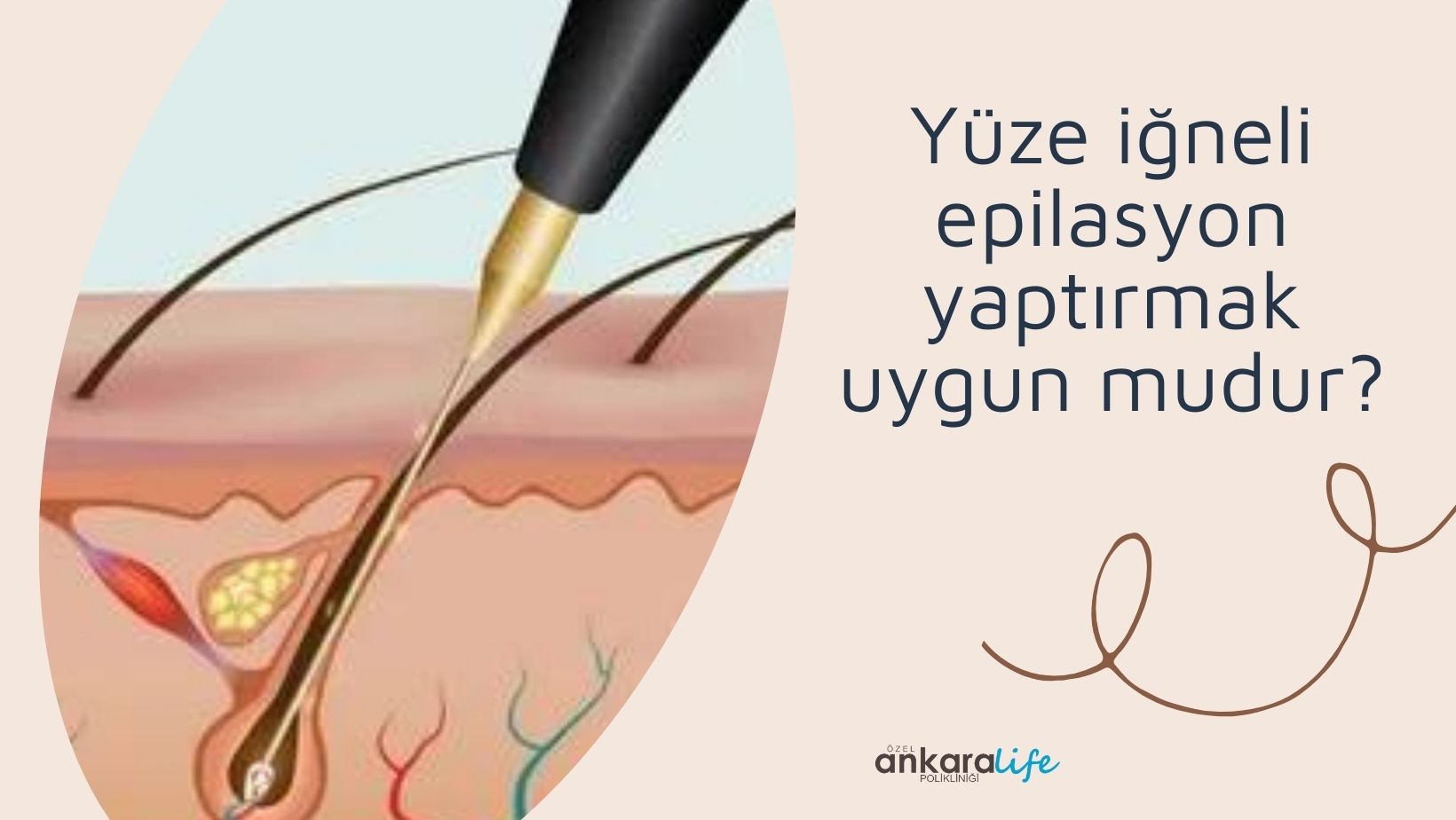

Although needle epilation is a method that aims to permanently destroy hair follicles, it is not often recommended by dermatologists due to the risks it carries in terms of health. In this method, a thin needle is inserted into each hair root and an electric current is applied, destroying the root. However, the negative effects that may occur on the skin during this procedure carry significant risks in terms of patient health.
Risk of Permanent Damage to the Skin
The intervention made to the hair root during needle epilation can damage the skin surface. Using the wrong technique or procedures performed in non-sterile conditions increase the risk of infection. In addition, dark or light spots (hyperpigmentation or hypopigmentation) may occur on the skin after the procedure. In sensitive skin, this situation may result in permanent scars and cause aesthetic concerns in the patient.
Needle epilation is an invasive method based on the principle of destroying each hair root by applying an electric current. Since a needle is inserted directly into the skin during this procedure, various reactions may occur on the skin. Especially individuals with thin and sensitive skin structures and those with dark skin tones are at higher risk after this procedure. Permanent scars, spots and other side effects may be more noticeable in these skin types.
Possibility of Permanent Scars and Stains
In needle epilation, the needle advances from the epidermis layer of the skin to the dermis to reach the hair root. In sensitive or thin skin, this intervention may cause more damage due to the weak skin barrier. Especially in dark skin, increased melanin production after the procedure increases the risk of hyperpigmentation (dark spots). This situation may be permanent for a long time due to the skin's self-healing process. Similarly, since the healing processes are slower and weaker in thin skin, scar formation (permanent scars) is more common.
Pimple-like White Structures
After needle epilation, microtraumas occur in the hair roots and surrounding skin tissue. These traumas cause the body to produce an inflammatory response as part of its natural healing mechanism. During this process, pimple-like, white-tipped structures may usually be seen in the area where the application is made. These structures are the result of microinflammation around the hair follicles and usually heal on their own within 7 to 10 days. However, if the area is not cleaned properly, this condition can become infected and the healing process can be prolonged.
Crusting and Allergic Reactions
After needle epilation, micro-level injuries occur on the skin. These injuries can cause crusting during the healing process. Crusting is a natural healing mechanism to protect the damaged area of the skin. However, if these crusts peel off or get irritated early, permanent scars can remain on the skin surface. In addition, some patients may experience allergic reactions to the metal needle or electric current used during the procedure. These reactions can manifest themselves as swelling, redness and intense itching on the skin.
Long-Term Redness
Redness on the skin surface after needle epilation is a common condition after the procedure. This redness is related to the inflammatory response of the skin to the electrical intervention made to the hair root. Under normal conditions, the redness, which is expected to pass within a few days, can last up to 1-2 weeks on sensitive or thin-textured skin. If the redness lasts this long, it can cause discomfort and sensitivity on the skin. In addition, exposure to the sun or the use of irritating products during this period can increase the redness and pose a risk of permanent staining on the skin.
As a result, needle epilation carries health risks such as infection, pain, skin damage and loss of time. Dermatologists generally recommend that patients turn to more modern and effective methods, keeping their comfort and safety at the forefront.
 Call
Call
 Whatsapp