


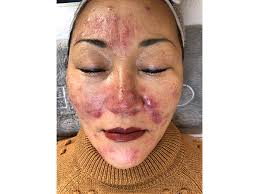

Why Do Inflamed Acne Occur?
Inflamed acne is a type of acne that occurs in the deep layers of the skin and usually has a painful, red and swollen appearance. Especially hormonal changes, excessive oil production by the skin and the proliferation of bacteria can be effective in the formation of this type of acne.
What is Inflamed Acne?
Inflamed acne is usually an inflammatory lesion that occurs as a result of the pores under the skin becoming clogged with oil (sebum), dead skin cells and bacteria. This occurs when the body reacts to the inflammation. It is usually red, painful, swollen and sometimes filled with pus.
Symptoms:
Red and swollen appearance.
A feeling of pain when touched.
It may contain pus or a yellow substance.
The healing process can be long and the risk of scarring is high.
Why Do Inflamed Acne Occur?
More than one factor can be effective in the formation of inflamed acne. The main reasons for this condition are increased oil production and the proliferation of bacteria on the skin. Here are the common factors that cause inflammatory acne:
Hormonal Changes:
Especially in cases such as puberty, menstruation, pregnancy or polycystic ovary syndrome (PCOS), changes occur in hormone levels. The increased testosterone hormone causes the sebaceous glands to produce more oil, which clogs the pores.
Oily Skin:
The excessive work of the sebaceous glands in the skin leads to excess sebum production. This creates an environment suitable for the clogging of the pores and the proliferation of bacteria.
Bacteria:
Propionibacterium acnes (P. acnes), a bacterium naturally found on the skin, can multiply in clogged pores and cause inflammatory acne.
Wrong Product Use:
Using oily, comedogenic (pore-clogging) products can increase the formation of acne. Especially makeup products or heavy creams can cause this situation.
Eating Habits:
Sugary, oily and processed foods can trigger the formation of inflammatory acne in some people. Especially dairy products and foods with a high glycemic index can increase this problem.
Genetic Predisposition:
People with a family history of acne have a higher risk of developing inflammatory acne on their skin.
Stress:
Stress can increase the body's cortisol hormone, causing the skin to produce more oil. This can lead to the formation of inflammatory acne.
Lack of Hygiene:
Not cleaning the skin regularly can trigger acne by causing sweat and dirt accumulation. In particular, not cleaning the skin after sweating can increase inflammation.
Wrong Hair Removal Methods:
Especially after waxing, razor or epilator use, ingrown hairs and hair follicle inflammation can turn into inflammatory acne.
How to Get Rid of Inflamed Acne?
To treat inflammatory acne, it is necessary to apply proper skin care and change some lifestyle habits. Here are effective methods:
Keep Your Skin Clean:
Wash your skin regularly, twice a day, morning and evening, with a gentle cleanser. Products containing salicylic acid or benzoyl peroxide can be preferred.
Use Oil-Free Products:
Prefer non-comedogenic and water-based products suitable for your skin type. Avoid heavy and oily creams.
Use Moisturizer:
Oily skin also needs moisture. Balance the skin's moisture by using water-based, light moisturizers.
Avoid Squeezing Pimples:
Squeezing pimples can spread the infection and leave scars. Therefore, wait for them to heal using appropriate treatment methods without popping them.
Pay Attention to Nutrition:
Eating a healthy diet can positively affect skin health. Avoid sugary, oily and processed foods.
Use Sunscreen:
Protect your skin by using oil-free and non-comedogenic sunscreens before going out in the sun.
Treatment Methods
If your inflammatory acne does not go away or constantly recurs, you may need to see your dermatologist. Treatment methods that may be recommended by a dermatologist are as follows:
Topical Antibiotics: Can be used to reduce infection.
Oral Antibiotics: Can be prescribed especially for severe and widespread inflammatory acne.
Retinoid Creams: Accelerates the renewal of skin cells and cleanses the pores.
Isotretinoin (Roaccutane, Zoretanin): A powerful drug used in the treatment of severe and stubborn acne. It should only be used under the supervision of a doctor.
Chemical Peeling or Laser Treatment: Can be effective in the treatment of inflammatory acne that has left scars.
Conclusion
Inflammatory acne can be largely controlled with the right treatment methods. Paying attention to skin cleansing, using appropriate products and adopting a healthy lifestyle play an important role in solving this problem. If your inflammatory acne does not go away or gets worse, you should definitely consult a dermatologist and get professional support.
 Call
Call
 Whatsapp