


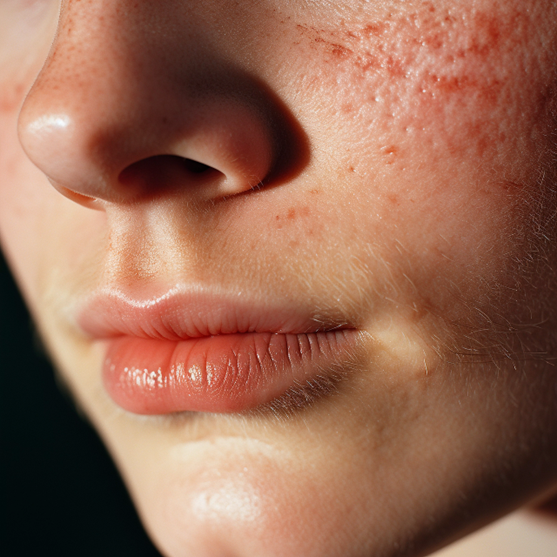

Cheeks are one of the most sensitive areas of our face. For this reason, acne on the cheeks can cause both aesthetic and discomfort problems. Being informed about the formation and treatment of acne will help us fight it effectively.
Acne on the cheeks is also affected by external factors. For example, factors such as dirty skin, excessive use of makeup or stress can trigger the formation of acne. Therefore, it is important to consider both internal and external factors in order to cope with acne problems on the cheeks.
Causes of Acne on the Cheeks
1. Excessive Oil Secretion
The pores on the cheeks can become clogged due to excess oil produced by the sebaceous glands. This causes bacteria to grow and inflammation, resulting in acne.
2. Hormonal Imbalances
Hormonal changes, especially during puberty, can trigger the formation of acne on the cheeks. Excessive secretion of male hormones such as testosterone causes the sebaceous glands to work more.
3. Stress
High stress levels cause the cortisol hormone level in the body to increase. This can cause the sebaceous glands to work harder and cause acne.
4. Lack of Hygiene
Factors such as dirty skin, makeup residue or sweat, which can cause the pores on the cheeks to become clogged, can trigger acne formation.
5. Genetic Predisposition
It is known that some people are more prone to acne problems on the cheeks. A family history of acne can explain this situation.
Methods to Prevent Acne on the Cheeks
1. Regular Skin Care
Cleaning the face with a mild facial cleanser at least twice a day, morning and evening, can prevent acne formation. In addition, a weekly peeling helps open the pores.
2. Choosing the Right Product
For oily skin, products with oil-absorbing and pore-tightening properties should be preferred. For extremely dry skin, it is important to use moisturizing products.
3. Pay Attention to Makeup Use
The choice of makeup products and frequency of use can affect acne formation. Non-comedogenic products that do not clog pores should be preferred.
4. Stress Management
Since stress can trigger acne formation, stress management should be provided with activities such as regular exercise, meditation or yoga.
5. Healthy Nutrition
A diet that includes vegetables, fruits, whole grains and healthy oils can support skin health. It is also important to avoid processed foods, sugary and fatty foods.
Cheek Acne Treatment Methods
1. Topical Treatment
Topical (applied to the skin) medications prescribed by a doctor can be used in the treatment of facial acne. These are usually products containing antibacterial, antiseptic or retinoid content.
2. Oral Treatment
In especially severe cases of acne, oral (taken by mouth) medications may be prescribed by a doctor. These may be antibiotics, hormone regulators or retinoids.
3. Professional Skin Care
Regular professional skin care can be effective in reducing acne. These may include methods such as chemical peels, laser treatment or microdermabrasion.
4. Natural Treatment Methods
Some natural ingredients can help treat acne. These include tea tree oil, sulfur, zinc or probiotics.
5. Lifestyle Changes
Lifestyle changes such as a healthy diet, regular sleep and exercise, and stress management can also play a supportive role in acne treatment.
 Call
Call
 Whatsapp