


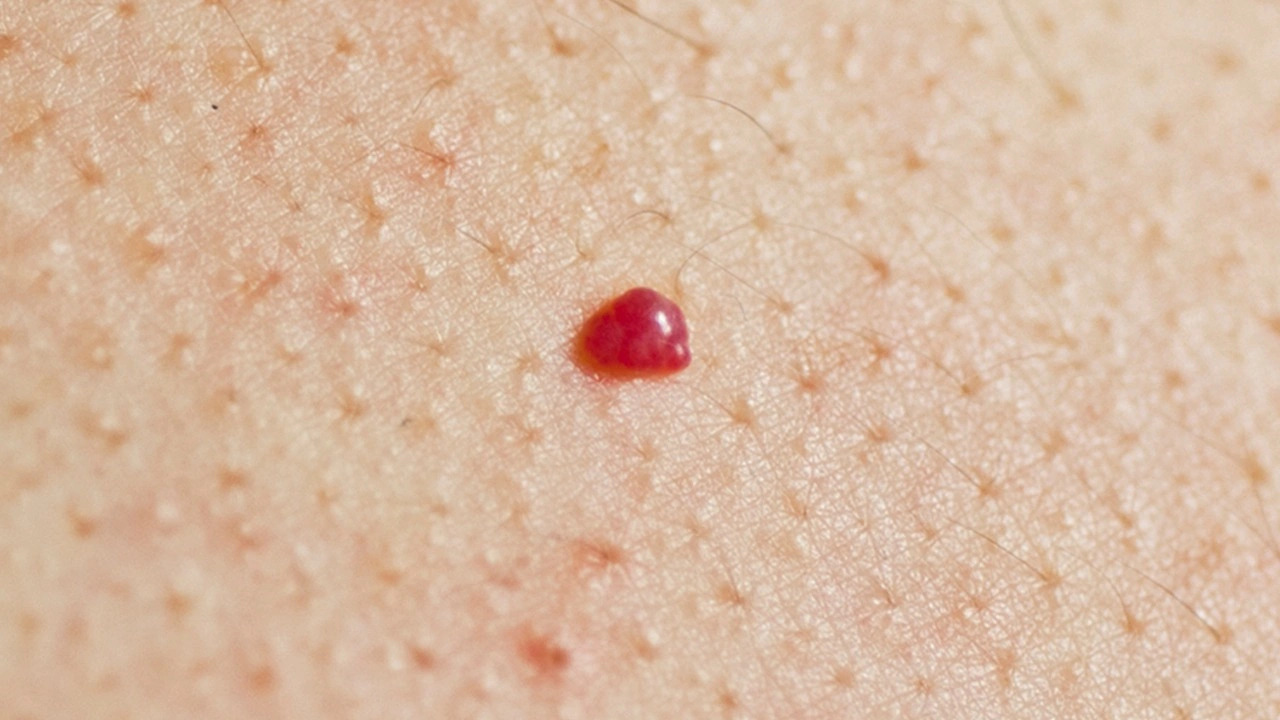

Red moles are small, reddened and sometimes raised areas on the skin. These moles are usually round or oval in shape and can disrupt the appearance of the skin and cause discomfort. Red moles occur as a result of disorders in the normal functioning of the skin and can be caused by various reasons.
Red moles usually appear as small, red spots on the skin. Sometimes they may be accompanied by itching, burning or stinging. Red moles usually appear on areas of the body that are exposed to the sun the most, such as the face, neck, chest and back.
What Causes a Red Mole?
Red moles can form as a result of a combination of factors. The main ones are:
Excessive Exposure to Sunlight: Excessive exposure to sunlight can cause damage to skin cells and the formation of red moles.
Skin Sensitivity: Some people's skin may be more sensitive to various chemicals, cosmetics or foods. This sensitivity can lead to the appearance of red moles.
Stress: High stress levels can contribute to the formation of red moles by weakening the body's immune system.
Hormonal Changes: Pregnancy, menopause or other hormonal changes can cause red moles to form.
Infections: Some bacterial or fungal infections can cause red moles to appear.
Allergic Reactions: Some foods, medications or cosmetics can cause allergic reactions on a person's skin, causing red moles to form.
Genetic Factors: The formation of red moles can also be related to a person's genetic makeup.
Since the causes of red moles vary, different factors may be involved in each case. For this reason, it is important to consult a dermatologist about the cause of red moles.
Types and Characteristics of Red Moles
Red moles can be divided into several types, each with different characteristics:
Acne Moles: They are red and raised moles that are usually seen on the face, back and chest. It is a skin problem caused by acne bacteria.
Rosacea: It is a red and sensitive skin problem that is usually seen on the face, around the nose and on the forehead. Although the exact cause is unknown, stress, sunlight and seasonal changes such as spring/fall may be triggers.
Contact Dermatitis: An allergic reaction to a substance that comes into contact with the skin. It manifests itself with redness, itching and swelling.
Seborrheic Dermatitis: A red and scaly skin problem that is usually seen on the scalp, eyebrows, ears and around the nose. Although the exact cause is unknown, stress and hormonal factors may be effective.
Erysipelas: A red, swollen and painful skin infection that is usually seen in certain areas of the body such as the face, legs or arms. It occurs due to a bacterial infection.
It is important to consult a specialist dermatologist to learn more about the types and characteristics of red moles.
Red Mole Formation Process
The formation process of red moles occurs with the combination of various factors:
Skin Damage: Sun rays, chemicals or allergic reactions can cause damage to skin cells.
Inflammatory Response: Damaged skin cells create an inflammatory response. This response causes redness, swelling, and itching.
Widening of Blood Vessels: The inflammatory response causes the blood vessels on the skin to dilate. This contributes to the formation of red moles.
Pigment Changes: Damaged skin cells can cause changes in pigment production. This affects the appearance of red moles.
Breakdown of Skin Barrier: Inflammation and damage cause the skin's natural protective barrier to break down. This can lead to further irritation and the formation of red moles.
The process of red moles forming can vary from person to person. In some cases, this process progresses more quickly, while in others it may progress more slowly. Understanding the process of red moles formation helps determine effective treatment methods.
Red Mole Treatment and Prevention Methods
There are various methods for the treatment and prevention of red moles:
Treatment Targeted to the Cause:
Dermatological examinations and tests are performed to determine the cause of red moles.
Treatment is applied according to the detected cause. For example, elimination of the triggering substance in allergic reactions, appropriate antibiotic or antifungal treatment in infections.
Topical Treatments:
Topical corticosteroid creams can be used to reduce redness and inflammation on red moles.
Topical antibiotics, retinoids, or azelaic acid-containing creams can also be effective in treating red moles.
Systemic Treatments:
Oral corticosteroid or antibiotic treatment can be applied for severe or widespread red moles.
Medications to restore hormonal balance can also be used in the treatment of red moles.
Light Treatments:
Green
 Call
Call
 Whatsapp