


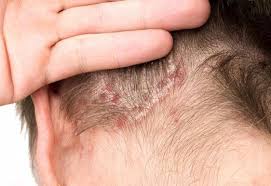

What are Scalp Acne?
Acne on the scalp occurs when the pores on the skin get clogged. Just like acne on the face or body, acne on the scalp also occurs when dirt, excess oil and dead skin cells accumulate in the pores. Since the scalp is an area where the sebaceous glands are especially dense, this type of acne can occur more frequently. Interestingly, acne on the scalp can sometimes be disgustingly painful, unlike normal acne on the skin, and can also be associated with hair loss.
Factors that Trigger the Formation of Acne on the Scalp
Excessive Oil Production: The sebaceous glands on the scalp usually produce oil in line with the body's needs. However, excessive oil production leads to the clogging of the pores. This clogging paves the way for acne formation.
Hygiene Deficiencies: Dirt and oil accumulated on the scalp can cause acne to appear, especially if you do not shower or wash your hair regularly. Scalp cleanliness is important because a dirty scalp provides a suitable environment for microbes to grow.
Using the Wrong Shampoo and Hair Products: Chemical substances found in shampoos and hair care products can cause irritation on the scalp and clog pores. Shampoos containing perfume and alcohol can dry out the scalp, which can lead to excess sebum production.
Scalp Hormonal Changes: Hormones can increase sebum production, especially during puberty and at certain times of the menstrual cycle. This can lead to acne on the scalp.
Tight Hair: Tightly tying the hair can lead to constant friction, especially on the scalp. This can cause irritation of the scalp and, as a result, acne.
Stress and Anxiety: Stress can cause hormonal imbalances in the body, causing acne all over the body, including the scalp. The hormone cortisol, in particular, encourages excess oil production.
Scalp Acne Treatment
There are several different methods to treat acne on the scalp. These treatment methods may vary depending on the cause of acne.
Gentle Cleansing: It is very important to cleanse the scalp regularly. Using a mild shampoo to remove excess oil and dirt from the scalp can help prevent acne.
Shampoo Selection: Shampoos with oil-balancing properties should be preferred against scalp acne. Shampoos containing salicylic acid in particular remove dead skin cells and prevent pores from clogging.
Hair Masks and Natural Oils: Natural ingredients such as aloe vera and tea tree oil reduce irritation on the scalp and have skin-soothing properties. In addition, hair masks can help prevent acne by nourishing the scalp.
Consulting a Doctor: If acne on the scalp becomes large and painful, it is important to seek help from a dermatologist. A dermatologist can help acne heal quickly by recommending topical treatment and, if necessary, oral treatment.
Tips to Prevent Acne Formation
A few simple steps can be taken to prevent acne formation on the scalp:
Wash Your Hair Regularly: Keeping your scalp clean is the most effective way to prevent acne formation. Wash your hair regularly using natural shampoos suitable for your hair type.
Avoid Tightly Tying Your Hair: Avoid tying your hair tightly. This can irritate your scalp and lead to acne formation.
Use a Towel Gently: After washing your hair, gently dry your hair with a towel. Rubbing it with harsh movements can irritate your scalp and cause acne.
Use Natural Products: When choosing hair care products, prefer those with natural ingredients. Avoid products containing perfume and alcohol.
Manage Stress: Stress can have negative effects on the skin. Regular exercise, meditation and getting enough sleep can help prevent acne formation by reducing stress levels.
When to See a Doctor for Scalp Pimples?
Most scalp acne can be cured with proper care and hygiene. However, it is important to see a dermatologist in the following cases:
If the acne is painful and large,
If it is accompanied by hair loss,
If the acne does not go away despite treatment,
If there is redness, swelling and pus.
A dermatologist may recommend topical or oral treatment depending on the specific condition of your scalp.
In Conclusion
Scalp acne often occurs due to simple hygiene deficiencies and hormonal changes. However, this condition can be easily controlled with proper care and treatment. Keeping your scalp clean regularly, using the right shampoos and taking care of your skin type can help prevent scalp acne.
 Call
Call
 Whatsapp