


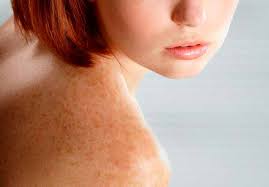

Why Do Stains Appear on the Body?
The formation of stains on the body occurs due to pigmentation disorders in the skin. Usually, sun exposure, aging, hormonal changes, genetic factors and inflammations on the skin are the main causes of these stains. When melanin production in the skin increases, brown, yellowish or reddish stains can form in these areas. While stains on the body can sometimes be just an aesthetic problem, sometimes they can be a symptom of other health problems.
Sun Exposure and the Formation of Stains on the Body
Sunlight can cause the formation of sun spots (solar lentigo) by increasing the production of melanin in the skin. These stains are especially seen on the face, hands and areas of the body that are most exposed to the sun. Overexposure to sunlight can also cause pigmentation disorders and wrinkles on the skin over time. UV rays damage skin cells and trigger melanin production, which leads to the formation of stains. Long-term and unprotected sun exposure can also increase the risk of skin cancer.
Hormonal Changes and Blemish Formation
Hormonal changes, especially pregnancy, birth control pill use and menopause, can cause spots on the skin. Brown spots called melasma, which are especially seen during pregnancy, can cause pigment changes on the skin due to the increase in hormones. Although such spots are usually seen on the face, they can also be seen on other parts of the body. Disruption of hormonal balance can cause irregular pigmentation on the skin and cause spots.
Skin Inflammation and Acne Scars
Pimples, cysts or infections can cause scars and spots to form as a result of inflammation on the skin. Acne scars, especially seen on areas such as the back, shoulders, chest and arms, can cause pigment changes during the skin's healing process. While the inflammation on the skin heals, dark spots (hyperpigmentation) may remain in these areas. In addition, squeezing acne or leaving it untreated can lead to permanent scars on the skin.
Genetic Factors and Blemish Tendency
Some people are genetically predisposed to more blemishes. Especially those with a family history of skin blemishes, moles, and sunspots may experience more frequent blemishes. Genetic factors affect the skin's ability to produce melanin and skin tone. Moles and congenital blemishes are usually harmless, but they can grow or change color over time, so regular skin checks are important.
Aging and Blemish Formation on the Body
The rate of skin renewal decreases with the aging process. This can cause the aging and damaged areas of the skin cells to remain for longer. As we age, more moles and age spots (lentigo senilis) may form on the body. These spots are usually seen on the hands, upper arms, and face. Melanin production in the skin can become irregular due to aging, causing the spots to become more noticeable.
Skin Care and Blemish Treatment
Regular skin care is very important to prevent or treat the formation of blemishes on the body. Using sunscreen helps prevent spots from forming by protecting the skin from the harmful effects of sunlight. In addition, special creams and treatment methods can be used for spots on the skin. Professional skin care methods such as chemical peeling, laser treatment and microdermabrasion can reduce the appearance of spots on the skin.
In Conclusion
Spots on the body can appear due to various reasons. Factors such as sunlight, hormonal changes, genetic factors and inflammations on the skin are the main causes of these spots. Correct skin care, sun protection and professional treatment methods play an important role in the treatment of spots. It would be useful to receive dermatological consultation to prevent the formation of spots and reduce the appearance of existing spots
 Call
Call
 Whatsapp