


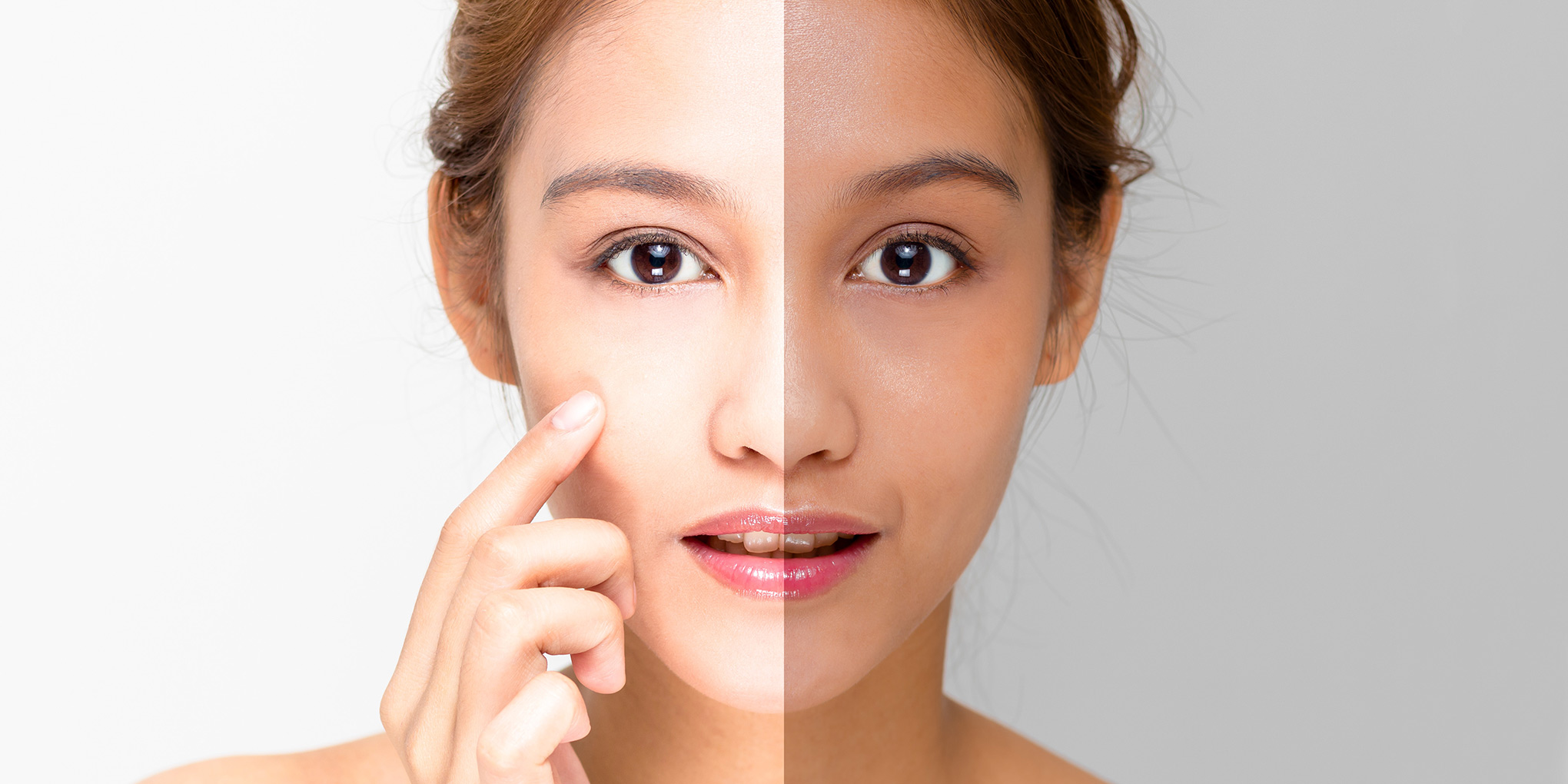

Face matching is a method based on correlating different parts of the face with different internal organs to understand the occurrence of acne in certain parts of the body. According to this method, the area where acne appears indicates the internal organ that is having problems under the skin. However, since face matching is not a purely scientific proof, we must consider other factors to pinpoint the causes of acne.
Forehead Acne and Its Possible Causes
Forehead acne is usually caused by factors such as stress, improper diet, use of hair products and hormonal changes. If you are going through a stressful period or following an irregular diet, acne is likely to appear on your forehead. Additionally, when hair products come into contact with your forehead and irritate your skin, it can cause acne on your forehead.
In addition, hormonal changes can also cause forehead acne to appear. Changes in hormone levels, especially during adolescence, can trigger acne on the forehead. To deal with forehead acne, you can take precautions such as stress management, a healthy diet, choosing hair products carefully and regular skin care.
Acne on Cheeks and Its Possible Causes
Acne on the cheeks may also be due to different reasons. The most common causes of acne on the cheeks include contact with a dirty phone screen, not changing the pillowcase frequently, and improper skin care. If you frequently touch your cheeks to the phone screen, it is possible that the bacteria from your phone can infect your skin and cause acne.
Likewise, if you don't change your pillowcase regularly, bacteria that accumulate on your bedding is likely to transfer to your cheeks and contribute to acne. To combat acne on cheeks, it's important to clean your phone regularly, change your pillowcase once a week, and clean your cheeks regularly.
Acne on the Chin and Jawline and Its Possible Causes
Acne on the chin and jawline may be caused by hormonal changes. Acne formation on the chin is common, especially during menstrual periods or hormonal imbalances. Hormonal changes can increase the skin's oil production and cause pores to become clogged, which can trigger acne on the chin.
Additionally, acne on the chin and jawline can also be caused by wrong eating habits. Fast food, processed foods and sugary foods can negatively affect skin health and increase the occurrence of acne on the chin. To deal with acne on the chin, it is important to maintain hormonal balance, adopt a healthy diet and perform regular skin cleansing.
Pimples on the Nose and Its Possible Causes
Acne on the nose can also be caused by different reasons. The most common cause of acne in this area is increased oil production of the skin and clogging of pores. Since the oil glands on the nose are larger than other areas, acne formation on the nose is more common.
In addition, acne on the nose can also be caused by external factors such as contact with dirty hands or the use of dirty glasses. Touching the nose with dirty hands can spread bacteria to the skin and cause acne. Likewise, dirty glasses touching the nose can also contribute to acne formation. To prevent acne on the nose, it is important to cleanse your skin regularly, keep dirty hands away and keep glasses clean.
Acne on Back and Chest and Its Possible Causes
Acne on the back and chest is usually caused by factors such as sweating, friction from clothing and neglect of skin care. Excessive sweating of the skin in these areas may cause clogging of pores and acne formation. Additionally, it is known that tight or chafing clothing can increase acne formation in these areas.
To prevent acne on the back and chest, it is important to wear cool clothes to prevent sweating and avoid clothing that is tight or causes chafing. Additionally, cleansing and moisturizing your skin regularly can also reduce acne formation.
Neck Acne and Its Possible Causes
Causes of acne on the neck include hormonal changes, improper skin care and friction. Hormonal changes can trigger acne on the neck. Additionally, sweating and friction in the neck area can also increase acne formation.
 Call
Call
 Whatsapp