


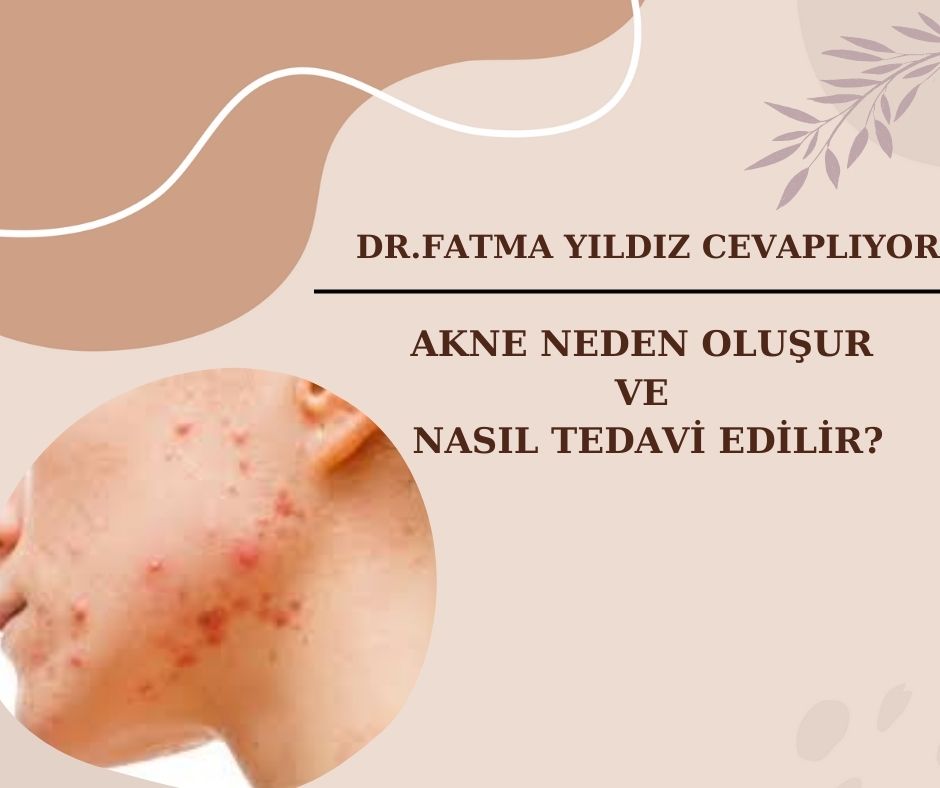

Why Does Acne Occur and How Is It Treated?
• Hormones and Acne: Especially during puberty, increased hormone levels in the body cause the sebaceous glands to produce more sebum. Excess sebum, combined with dead skin cells, can clog pores and create a suitable environment for bacteria to multiply. This leads to acne.
• Skin Type and Cleansing: Individuals with oily skin are more prone to acne because excess oil production makes it easier for pores to become clogged. Washing the skin regularly with appropriate cleansers and removing oil and dirt from the skin can help prevent acne. However, washing too often can dry out the skin and increase oil production, so a care routine appropriate for the skin type is important.
• Nutrition and Acne: Unhealthy eating habits, especially high glycemic index foods (white bread, sugary foods) and dairy products, can trigger acne in some individuals. Including vegetables, fruits, whole grains and healthy oils in the diet can support skin health. Drinking plenty of water can also help cleanse the skin of toxins.
• Stress Factor: Stress experienced in daily life can cause an increase in hormones such as cortisol, which can increase oil production and pave the way for acne. Exercising, getting enough sleep and engaging in relaxing activities for stress management are beneficial for skin health.
• Cosmetics and Makeup: Comedogenic (pore-clogging) cosmetics that aggravate the skin can increase acne formation. It is important to clean makeup before going to bed and to choose light, skin-breathing products. Water-based cleansers can be used instead of oil-based makeup removers.
• Genetic Predisposition: If there are individuals in the family who have frequent acne problems, genetic predisposition can also be an important factor. In this case, it may be necessary to get dermatologist support in addition to personal care.
• Environmental Factors: External factors such as air pollution, sun rays and humidity can directly affect skin health. Oil production can increase especially in hot and humid weather, which can trigger acne formation. Sunscreen use is necessary to protect the skin from environmental factors.
Types of Acne
• Comedonal Acne: This is a mild type of acne that appears as blackheads (open comedones) and whiteheads (closed comedones).
• Papulopustular Acne: This is a moderately severe type of acne that manifests itself with red and inflamed pimples.
• Nodulocystic Acne: This is a severe type of acne that forms deep, painful and hard cysts, and has a high risk of scarring.
Acne Treatment Methods
• Mild Acne: Daily regular skin care, cleansers and moisturizers containing salicylic acid or benzoyl peroxide can be used.
• Moderate Acne: Topical antibiotics, retinoids (vitamin A derivatives) and, if necessary, oral medication can be applied under the supervision of a dermatologist.
• Severe Acne: In cases of acne that are painful, inflammatory or that have a risk of scarring on the skin, antibiotics recommended by a dermatologist, medications such as isotretinoin or laser treatments can be applied.
• Professional Support: One of the most important points in acne treatment is not to squeeze the skin and not to use the wrong products. In cases that do not go away for a long time, are painful and have a risk of scarring, it is necessary to get help from a dermatologist. It should not be forgotten that each individual's skin is different and the most effective treatment should be determined specifically for the person.
Things to Consider in Acne Treatment
Perform regular skin care using products suitable for your skin type.
Remove makeup at the end of the day and allow the skin to breathe.
Wash pillowcases, towels and makeup brushes regularly.
Avoid excess sugar and dairy products by eating a healthy and balanced diet.
Control stress and get regular sleep and exercise.
Protect your skin from harmful rays by using sunscreen.
Moisturize your skin with moisturizers suitable for your skin type.
Consult a dermatologist in cases of acne that lasts for a long time and has a risk of scarring.
It should not be forgotten that each individual's skin is different and acne treatment should be planned specifically for each person. Being patient, doing regular care and getting professional support when necessary are the most important steps in the fight against acne.
I am Dermatologist Doctor Fatma Yıldız
We are waiting for you at our clinic, I wish you healthy days.
 Call
Call
 Whatsapp