


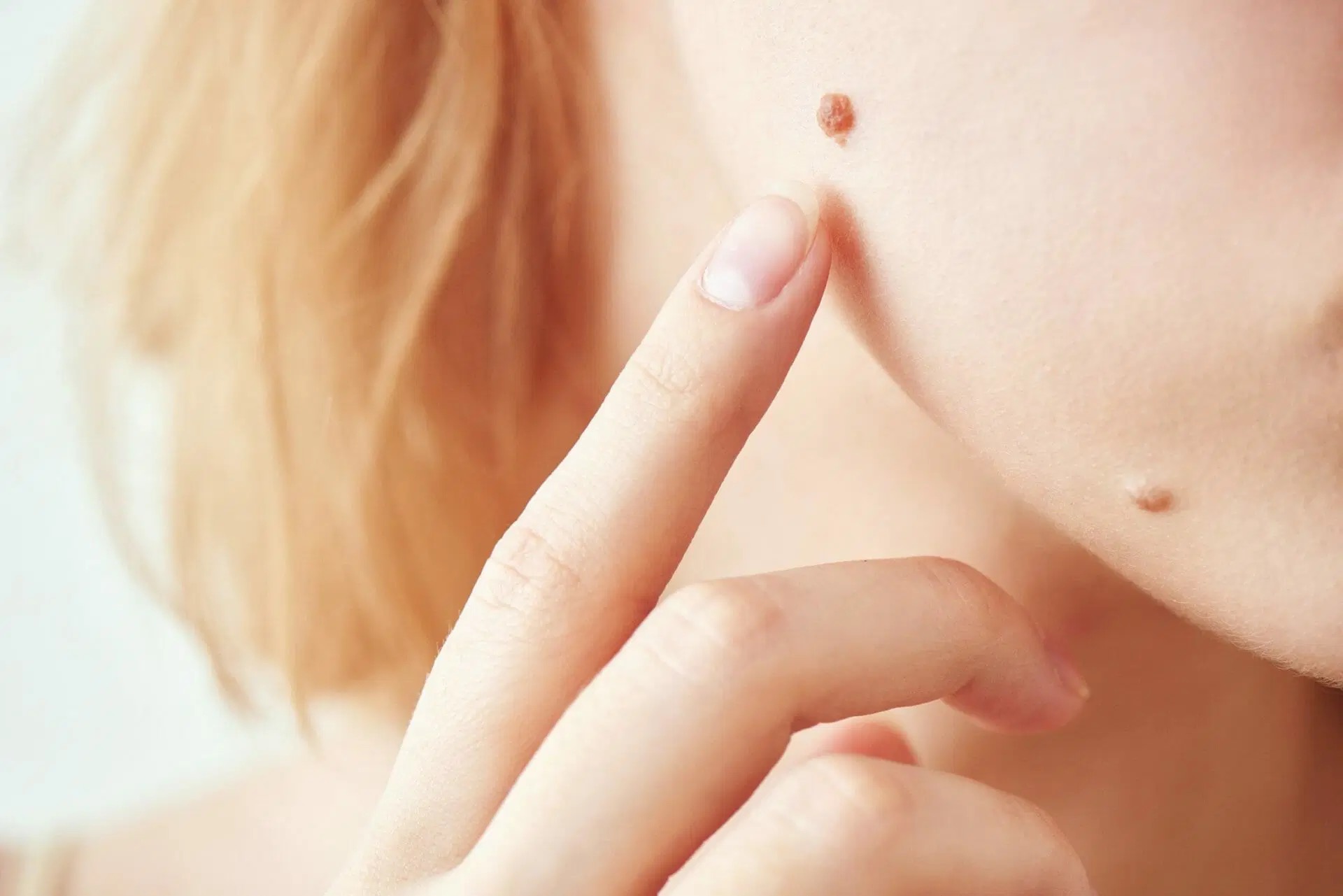

Skin tags are mostly seen in adults and their frequency increases with age. This is due to the changing structure of the skin due to increased sun exposure and the aging process. Genetic factors may also predispose some people to skin tags.
Skin tags, although generally harmless, can cause discomfort in people due to their appearance and location. Therefore, correct diagnosis, follow-up and appropriate treatment of skin tags are very important. Now let's provide more detailed information about skin tag formation, types and treatment.
What Causes Skin Tags?
Skin tags are formed as a result of excessive proliferation of fat cells and connective tissue in the lower layers of the skin. This excessive proliferation can occur due to various factors:
Sunlight Exposure: Long-term and intense exposure to sunlight can trigger skin tag formation by causing changes in the structure of the skin.
Aging: The structure and cell renewal of the skin change with age, which can pave the way for skin tag formation.
Genetic Factors: Some people may be more prone to skin tag formation. Family history is an important risk factor in this regard.
Hormonal Changes: Changes in hormonal balance, especially during pregnancy and menopause, can increase the risk of skin tags.
Trauma or Infection: Trauma or infection on the skin can trigger skin tag formation.
A combination of one or more of these factors can cause skin tags to form. However, not all skin tags form for the same reasons and each one can have different characteristics.
Pain and Soreness Caused by Skin Tags
Most skin tags are painless and painless. However, some skin tags can be sensitive and can become sensitive to factors such as pressure, friction or trauma. In this case, skin tags can cause pain and soreness.
Painful skin tags usually have the following characteristics:
Size: Larger skin tags can cause more pain.
Location: Skin tags in areas exposed to friction or pressure can be more painful.
Structure: Hard, fibrous or calcified skin tags can cause more pain.
Infections that occur in skin tags can increase pain and soreness.
Painful skin tags can make daily activities difficult and negatively affect quality of life. Therefore, correct diagnosis and appropriate treatment of skin tags are important for patients with pain and suffering.
Skin Tag Types and Characteristics
Skin tags are divided into various types, each with different characteristics. The main types of skin tags are as follows:
Lipoma (Fat Tag): Soft, mobile and round-shaped skin tags. They are usually painless.
Fibroepithelial Polyp: They are stalked, soft and pink-red skin tags. They are more common in areas exposed to friction.
Dermatofibroma: They are hard, fixed and brown-red skin tags. They are usually painless.
Nevrinoma: They are painful and sensitive skin tags originating from nerve tissue.
Leiomyoma: They are hard and painful skin tags originating from smooth muscle tissue.
Lipomatous Hamartoma: They are skin tags that are present from birth and contain fatty tissue.
Each type of skin tag has its own unique appearance, texture and characteristics. For a correct diagnosis, it is important to consult a dermatologist.
Treatment and Removal of Skin Tags
Treatment of skin tags is usually necessary for cosmetic or functional reasons. Some skin tags can cause complications such as pain, bleeding or infection, in which case they may need to be removed.
Various methods can be used to treat skin tags:
Observation: Small, painless and cosmetically unobtrusive skin tags can be monitored with regular check-ups.
Injection: Corticosteroid injections can be used to treat painful skin tags.
Cryotherapy: Freezing and destroying skin tags using liquid nitrogen.
Laser Treatment: Removal of skin tags using high-energy light beams.
Surgery Removal: Surgical removal may be necessary, especially for large, painful or recurring skin tags.
The treatment method is determined by the type of skin tag, its size, location and the patient's preferences. The evaluation of a specialist dermatology team plays a critical role in determining the most appropriate treatment option.
 Call
Call
 Whatsapp