


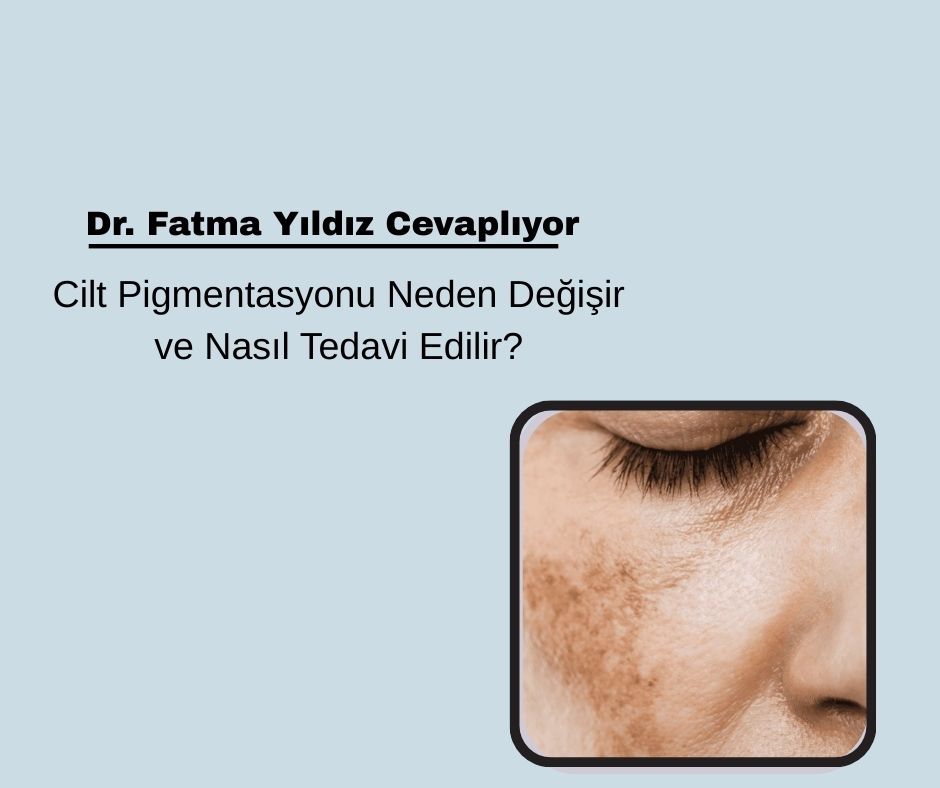

Why Does Skin Pigmentation Change and How Is It Treated?
Human skin pigmentation varies greatly due to genetics, environmental factors, sun exposure, and the effects of certain medications. Melanin synthesis is the most important biological process that determines skin color. However, disruption of this process can negatively impact not only a person's physical appearance but also their psychological health and social functioning.
The most common pigmentation disorders encountered in dermatology practice include melasma, vitiligo, albinism, Addison's disease, and post-inflammatory hyperpigmentation. Treatment of these disorders requires a combination of cosmetic dermatology and medical dermatology.
So, why does pigmentation change, and what results do the modern treatments offered at Private Ankara Life Polyclinic provide? Let's examine the answers to these questions, drawing on Dr. Fatma Yıldız's clinical experience.
Why Does Skin Pigmentation Change?
Skin pigmentation is primarily related to the amount and distribution of the pigment melanin. Melanin synthesis is influenced by the following factors:
Genetics: Skin type and natural color are largely determined by genes.
UV: Sun exposure can increase melanin production, leading to tanning or spots.
Medications: Some antibiotics, anti-inflammatory drugs, and chemotherapeutics can disrupt pigmentation.
Hormonal Changes: Melasma can occur, especially during pregnancy or with the use of birth control pills.
Skin Diseases: Color changes can occur in areas following eczema, acne vulgaris, and psoriasis.
Classification of Pigmentation Disorders
1. Hyperpigmentation
It occurs as a result of increased melanin accumulation in the skin. Sunspots, melasma, and post-inflammatory hyperpigmentation are the most common examples.
2. Hypopigmentation
It occurs as a result of decreased melanin production. It can develop after vitiligo, albinism, or fungal infections.
The Most Common Pigmentation Problems
Melasma: Characterized by symmetrical brown patches on the face. It is usually seen in women.
Vitiligo: White patches form when the immune system attacks melanocytes.
Albinism: A congenital genetic disorder. The body produces very low melanin.
Postinflammatory Hyperpigmentation: Can develop after acne, burns, eczema, or trauma.
Addison's Disease: Diffuse darkening of the skin can occur due to hormonal factors.
Treatment Methods for Pigmentation Disorders
Treatment of pigmentary disorders in dermatology requires a multidisciplinary approach. Dr. Fatma Yıldız prioritizes both scientific evidence and personalized treatment plans when managing pigmentation problems at the Private Ankara Life Polyclinic.
1. Drug Treatments
Tyrosinase inhibitors: Reduce melanin synthesis. (Hydroquinone, arbutin, kojic acid)
Antioxidants: Protect skin cells from oxidative stress.
Corticosteroids: Used in autoimmune pigment disorders such as vitiligo.
2. Topical Treatments
Retinoids, vitamin C, and herbal extracts are effective in melasma and blemishes.
3. Laser and Light Therapies
Q-Switch laser: Breaks down melanin.
IPL (Intense Pulsed Light): Preferred for superficial blemishes.
Excimer laser: Successful in the treatment of vitiligo.
4. Herbal and Natural Approaches
Clinical studies have tested 25 plants, 4 marine derivatives, and 17 different oral/topical agents. For example, green tea polyphenols and aloe vera may help improve skin tone.
Cosmetic Dermatology and Patient Experience
Pigmentation problems are not merely an aesthetic issue; they directly impact a person's self-confidence, social life, and psychological well-being. At the Private Ankara Life Polyclinic, personalized treatment plans implemented under the leadership of Dr. Fatma Yıldız not only help patients achieve a more even skin tone but also improve their quality of life.
 Call
Call
 Whatsapp