


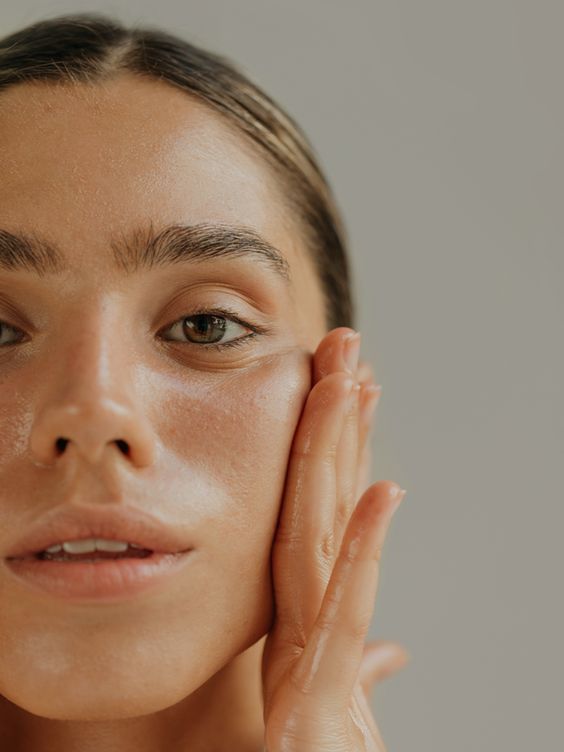

A stain is an area on the skin that has a different color or texture than other areas and can be caused by various reasons. In general, stain formation occurs as a result of abnormal functioning of pigment cells (melanocytes) in the skin or the skin's reaction to external factors. Sunlight is one of the most common factors in stain formation. When the skin is exposed to the sun's ultraviolet (UV) rays, melanin production increases. Although this is a natural process that occurs to protect the skin, excessive exposure can cause irregular pigmentation problems on the skin and cause sun spots.
Hormonal changes also play an important role in stain formation. Hormonal fluctuations, especially pregnancy, menopause or the use of birth control pills, can trigger melanin production and cause the appearance of brown spots called melasma. Such spots are usually visible in facial areas such as the forehead, cheeks and upper lip.
In addition, skin injuries or acne scars such as acne can also cause staining over time. As the skin heals after an injury, melanin production increases in some areas, leaving dark marks. Inflammation, irritation or incorrect use of cosmetic products on the skin are among the other factors that pave the way for spots.
As a result, the formation of spots depends on many internal and external factors. Sun protection, proper skin care and dermatological treatments when necessary are important to prevent or reduce the formation of these spots.
 Call
Call
 Whatsapp