


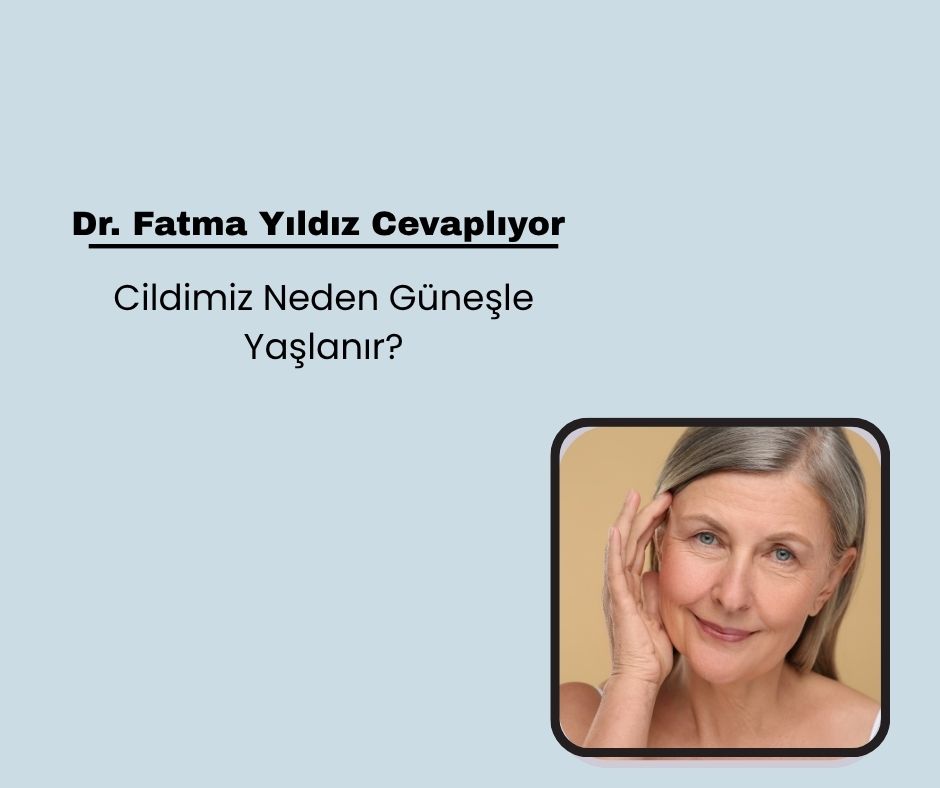

Why Does the Sun Aging Our Skin?
Photoaging Mechanism and Ways to Prevent It
While the warmth and light of the sun energize us in daily life, it can become a detrimental threat to our skin over time. Prolonged sun exposure, in particular, triggers a specific skin aging process called photoaging. So, what exactly is photoaging, how does it occur, and how does it affect skin health? In this article, we explain the photoaging mechanisms that occur at the cellular level, based on scientific research, and shed light on ways to prevent it.
What is Photoaging?
Photoaging is extrinsic skin aging caused by ultraviolet (UV) rays. Unlike genetic aging, this process is linked to environmental factors, particularly sun exposure. The most affected areas are frequently sun-exposed areas such as the face, neck, and hands. Fine wrinkles, loss of elasticity, increased blemishes, enlarged pores, and a dull appearance are common in photoaged skin.
Which Rays Cause Photoaging?
UV radiation is divided into three subtypes:
UVA (320–400 nm): Reaches deeper skin layers, causing long-term damage.
UVB (280–320 nm): More superficial effects, responsible for acute damage such as sunburn.
UVC (100–280 nm): Absorbed by the ozone layer and not reaching the skin.
Infrared (IR) rays have also been shown to heat skin tissues and trigger photoaging.
How Does Our Skin Protect Itself Against the Sun?
The skin develops defenses against UV rays through its innate immune system:
The multilayered structure of the epidermis acts as a physical barrier.
Melanocytes absorb harmful rays by producing melanin.
Langerhans cells and T-lymphocytes regulate the immune response.
DNA repair mechanisms are activated to repair the damage.
However, prolonged and intense UV exposure can overwhelm these natural defense systems.
How Does Photoaging Occur at the Cellular Level?
Sunlight causes aging in skin cells through three primary mechanisms:
1. Alterations in Cellular Metabolism
UV rays affect the metabolism of fibroblasts and keratinocytes, causing the secretion of inflammatory substances (cytokines, MMPs), which increase during the aging process.
2. DNA Damage
UVA and UVB radiation cause mutations in DNA molecules.
UVB: Direct mutations in the DNA strand, such as cyclobutane dimers.
UVA: Indirect DNA damage through oxidative stress; markers such as 8-OHdG.
3. Increased Oxidative Stress
Sunlight increases the production of reactive oxygen species (ROS) in cells. These molecules damage both the cell membrane and DNA. Elastin and collagen fibers are degraded, resulting in the accumulation of poor-quality elastic tissue in the skin, called "solar elastosis."
Autophagy: Why Is the Cellular Cleansing System Inadequate? Autophagy is a process by which cells destroy damaged structures within themselves. Sunlight can initiate autophagy, but prolonged UVA exposure disrupts this process by disrupting lysosomal functions. This accelerates the progression of skin aging.
How Do UV Rays Trigger Inflammation?
UVB radiation, in particular, causes the formation of sunburn cells (SBCs). These cells initiate an inflammatory response, increasing the release of substances such as IL-1α, IL-6, and TNF-α. This inflammation causes both short-term redness and sensitivity and long-term chronic damage.
Is Photoaging Possible to Prevent?
Yes! Photoaging is a preventable process. Here are some precautions you can take:
Use broad-spectrum sunscreen products year-round (protecting both UVA and UVB).
Avoid direct exposure during peak sun hours (10:00 AM–4:00 PM).
Wearing hats, sunglasses, and protective clothing.
Choosing antioxidant-containing dermocosmetic products.
Implementing medical-grade skin care routines that help repair skin cells.
How Will Photoaging Treatments Develop in the Future?
In vitro studies conducted in recent years have better understood the effects of UV rays at the cellular level. This has accelerated the development of new cosmetic and medical products aimed at preventing or reversing photoaging. DNA repair agents, autophagy activators, and antioxidant complexes are particularly prominent.
Conclusion: Protect Your Skin's Youth from the Sun
Photoaging is a slow but effective process of skin aging. Understanding how sun rays damage the cellular level allows for the development of effective prevention and treatment methods. Regular dermatological follow-up, quality sun protection, and the use of scientifically based products are essential for your skin health.
Remember: Your skin's youth is in your hands!
???? At Ankara Life Polyclinic, we are at your service with expert evaluations and personalized protection plans.
????⚕️ Dermatologist Dr. Fatma Yıldız
 Call
Call
 Whatsapp