


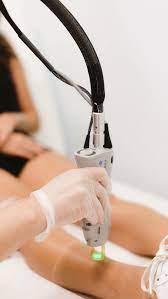

Why Can't Epilepsy Patients Get Laser Epilation?
What is Epilepsy?
Epilepsy is a neurological disease caused by sudden and uncontrolled electrical discharges in brain cells. This can cause the person to lose consciousness, experience convulsions or momentarily lose connection with the environment. Attacks can occur with certain triggers.
The Relationship Between Light Stimuli and Epilepsy
Some individuals with epilepsy, especially in the type called "photosensitive epilepsy", are sensitive to bright or flashing lights. Television, computer screens, flashes or sudden changes in light can trigger epileptic seizures. The intense and sudden light emitted by laser devices is also included in this group.
Can Laser Light Trigger Seizures?
Yes. Laser epilation devices work with intense and focused light pulses. These light pulses can trigger seizures in some epilepsy patients. Especially in applications around the eyes, the risk of light reaching the retina is higher. Even if the eyes are covered with special protective glasses, the brain may react to the stimulus. This poses a serious risk to the person's safety.
Sound and Heat Effects of Laser Epilation Devices
Not only the light of laser devices, but also the sudden sounds they make or the heat generated during the procedure can cause stress or anxiety in some individuals. This psychological tension can also increase the risk of seizures. This situation should be taken into consideration especially in epilepsy patients with a history of stress-related seizures.
Is It Prohibited for Every Epilepsy Patient?
Some epilepsy patients may not have had a seizure for years, may be taking regular medication and may be following a stable course under the supervision of a doctor. However, laser epilation is still a practice that should be approached with caution for these individuals. Such patients should first consult a neurologist and a decision should be made after the necessary evaluation. As a precaution, many clinics avoid applying laser epilation to individuals with a history of epilepsy.
Are There Alternative Solutions?
Yes, non-laser hair removal methods can be preferred for epilepsy patients. Classic methods such as shaving, waxing or epilators are safer options. In addition, some medical centers have begun to develop devices that operate at lower intensity and can be adjusted specifically for epilepsy patients, but a doctor's opinion should definitely be sought on this issue.
In Conclusion
Laser epilation for epilepsy patients can pose serious health risks. The seizure-triggering effect of laser light is of great importance for the patient's safety. For this reason, individuals with a history of epilepsy should definitely consult a neurologist before considering laser epilation and clearly state the situation in clinics. Health comes first; aesthetic concerns should be secondary when compared to health risks.
 Call
Call
 Whatsapp