


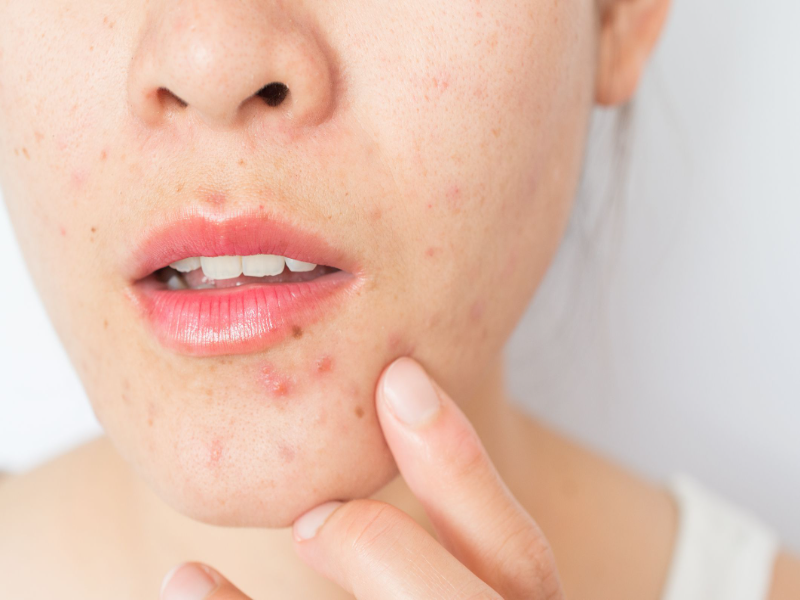

Acne scar treatment includes various methods intended to reduce the appearance of marks that remain on the skin after acne. Although acne is commonly experienced during adolescence, the marks it leaves behind may become a long-term concern. These scars can affect both physical appearance and self-confidence. Professional procedures may be required for more pronounced scars, while an appropriate home skincare routine can support the treatment and recovery process.
Methods used in acne scar treatment generally aim to support skin renewal. Professional options such as chemical peeling, laser treatments, microdermabrasion and microneedling may be considered. However, not every procedure is suitable for every individual. Skin sensitivity, the type of scar, medical history and the ability to follow aftercare instructions should all be considered.
For treatment to be effective, methods and products should be selected according to the individual’s skin type. Consistency and patience are also important. Skin renewal takes time, and visible improvement may develop gradually over several months. During this process, appropriate at-home care plays a critical role in supporting treatment results.
The Importance of Acne Scar Treatment
Acne scars are not only a physical concern but may also have psychological effects. Noticeable scars can affect self-confidence and may cause individuals to feel uncomfortable in social situations. Acne scar treatment may therefore contribute both to improving skin appearance and supporting emotional well-being.
Selecting the correct treatment method may help reduce the visibility of scars. Professional assessment is important because different scar types require different approaches. However, at-home care after professional treatment is also highly important. A suitable skincare routine supports the skin’s natural recovery process and may help maintain the improvements achieved.
The importance of at-home care is especially noticeable after professional procedures. The skin may temporarily become more sensitive to environmental factors and require gentle care. Appropriate aftercare helps protect the skin barrier, maintain moisture balance and reduce the risk of irritation or new pigmentation.
The Role of At-Home Care After Treatment
At-home care is an essential stage in the acne scar treatment process. It is required to support skin recovery and maintain the results achieved through professional procedures. This routine also provides an opportunity to improve general skin health over the long term.
One of the main elements of at-home care is keeping the skin appropriately moisturised. Using a moisturiser suited to the individual’s skin type helps protect the skin barrier and reduce dryness. Products recommended by a specialist may also support the skin’s natural renewal process.
Sun protection is another indispensable part of aftercare. The skin may become more sensitive after certain procedures, increasing the risk of redness and post-inflammatory pigmentation. Daily use of a broad-spectrum sunscreen with a high protection factor helps protect the skin and prevent marks from becoming darker.
A simple and consistent routine generally includes gentle cleansing, moisturising and sun protection. Additional active ingredients should be introduced only when the skin has recovered sufficiently and when recommended by a dermatologist.
Acne Scar Treatment with Ankara Laser
Laser treatments are among the professional options available for acne scars in Ankara. Ankara Laser centres may use different technologies according to the type and depth of the scars. Laser procedures can support skin renewal and collagen production, helping reduce the visibility of certain acne scars.
Depending on the selected technology, laser energy may create controlled treatment zones in the skin. This stimulates the natural repair process and may gradually improve uneven texture. Treatment is generally performed over several sessions, although the number of sessions varies according to the individual’s skin and scar characteristics.
Individuals considering laser treatment in Ankara should first undergo a detailed skin assessment. Selecting a qualified specialist and following the recommended aftercare routine are important for both safety and treatment effectiveness.
At-home care after laser treatment should not be neglected. Regular moisturising, sun protection and temporary avoidance of irritating products support recovery and help maintain the results.
Points to Consider During Acne Scar Treatment
Several factors should be considered during acne scar treatment to protect skin health and support treatment effectiveness.
Use Products Suited to Your Skin Type
Every skin type has different needs. Products that are unsuitable for the skin may cause irritation, breakouts or increased pigmentation. A dermatologist can help determine which products are appropriate.
Be Consistent and Patient
Improvement in acne scars generally develops gradually. Consistent treatment and realistic expectations are important. Structural scars may require several professional sessions and cannot usually be removed completely with skincare products alone.
Do Not Neglect Sun Protection
Sun exposure may darken post-acne marks and increase sensitivity after treatment. Daily sunscreen use is therefore an essential part of both professional and at-home care.
Follow Professional Recommendations
When receiving professional treatment, all instructions provided by the specialist should be followed carefully. Any additional products or homemade applications should be discussed with the specialist before use.
Support General Health
A balanced diet, sufficient water intake, regular sleep and avoiding smoking may support general skin health. However, these measures should complement rather than replace dermatological treatment.
In conclusion, at-home care is important in acne scar treatment because it supports recovery, protects the skin barrier and helps maintain the results of professional procedures. A simple routine based on gentle cleansing, moisturising and sun protection is generally the safest approach. Personalised professional support should be obtained for deeper scars, persistent pigmentation or ongoing acne.
 Call
Call
 Whatsapp