


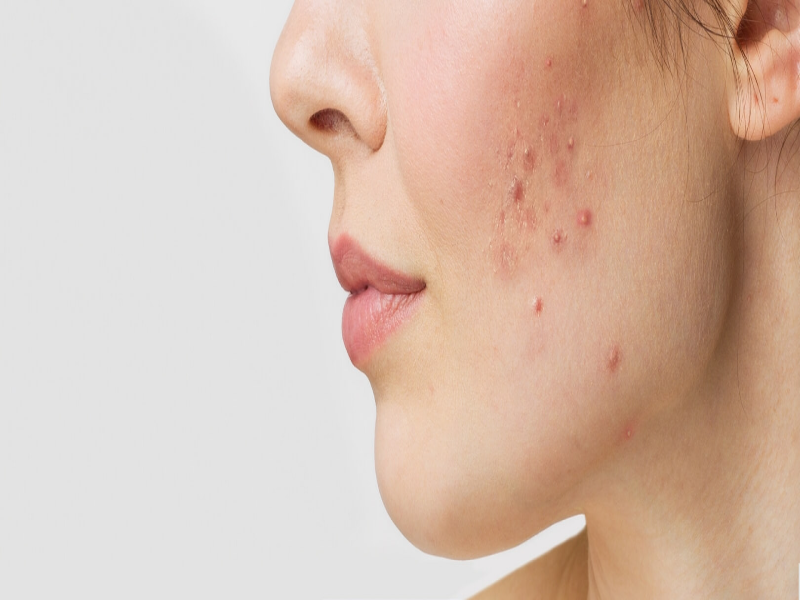

Acne is a common skin condition that affects hair follicles and sebaceous glands and develops when pores become clogged and inflammatory processes occur in the skin. It is generally seen in areas with a high concentration of sebaceous glands, such as the face, back, shoulders, and chest. Hormonal changes, genetic predisposition, increased oil production, and dead skin cells accumulating in the pores may contribute to acne formation.
A bacterium found naturally in the skin microbiome, currently known as Cutibacterium acnes, also plays a role in acne formation. This bacterium was previously called Propionibacterium acnes and may contribute to the inflammatory process when suitable conditions develop. However, acne is not simply an infection caused by bacteria; it is a complex skin condition involving multiple factors.
Acne may cause appearance-related concerns and social discomfort in some people. However, the severity of these effects varies from person to person. A dermatological assessment is important when acne persists, causes painful or deep lesions, or begins to leave marks on the skin.
The Importance of At-Home Care During Acne Treatment
Proper skincare at home is an important step that supports acne treatment. However, at-home care does not replace medical treatments recommended by a dermatologist. A regular and gentle skincare routine may help remove excess oil, sweat, and daily impurities while supporting the skin barrier.
The skin may generally be washed twice a day, in the morning and evening, with a gentle cleanser suitable for the skin type. Washing too frequently, scrubbing the skin, or using abrasive products may cause irritation and make acne appear more noticeable.
For acne-prone skin, moisturisers, sunscreens, and cosmetic products labelled “non-comedogenic” or “won’t clog pores” may be preferred. Having oily skin does not mean that a moisturiser is unnecessary. A suitable moisturiser may help manage dryness and sensitivity caused by certain acne treatments.
Basic At-Home Skincare Steps
A basic skincare routine during acne treatment may include the following steps:
Gentle cleansing: The skin should be cleaned without using harsh soaps or abrasive cleansing tools. Lukewarm water should be preferred, and the skin should be gently patted dry rather than rubbed with a towel.
Suitable moisturising: A non-comedogenic moisturiser appropriate for the skin type may be used. If treatment causes dryness or peeling, a specialist should be consulted when selecting a product.
Sun protection: A broad-spectrum sunscreen with at least SPF 30 that is suitable for acne-prone skin may be used on exposed areas. Sun protection may help prevent colour changes that develop after acne from becoming more noticeable.
Regular product use: Acne products may be applied not only to existing pimples but also to the entire acne-prone area, as recommended by a specialist. The recommended duration of use should be followed before evaluating the product’s effects.
Practices to Avoid at Home
Squeezing, picking, or puncturing pimples is not recommended. These actions may push inflammation into deeper tissues, extend the healing period, cause changes in skin colour, and increase the risk of scarring.
Lemon juice, baking soda, toothpaste, cinnamon, vinegar, and similar household ingredients should not be applied to the skin. Because these substances are not formulated for acne treatment, they may damage the skin barrier and cause burning, irritation, allergic reactions, or pigmentation.
An ingredient described as natural should not be assumed to be safe for every skin type. Honey, aloe vera, plant oils, and botanical extracts may also cause sensitivity or allergic reactions in some individuals. Current evidence concerning botanical products, vitamins, and alternative treatments for acne is insufficient for their routine recommendation.
Why Do Acne Marks and Scars Develop?
Not every colour change remaining after acne is a true scar. Red, purple, or brown marks may be post-acne colour changes. These may fade over time but can become more noticeable, particularly with sun exposure.
True acne scars occur when permanent structural changes develop in the skin tissue. Depressed scars, raised scars, and irregularities of different depths fall into this category. The severity of the acne, the depth of the inflammation, genetic predisposition, and manipulating pimples may affect the risk of scarring.
One of the most important ways to prevent acne scars is to bring active acne under control at an early stage. Avoiding squeezing pimples, staying away from irritating products, and regularly using the recommended treatment may help reduce the risk of scarring.
Nutrition and Lifestyle
A balanced diet and adequate fluid intake contribute to maintaining general health. However, no particular food, detox programme, or amount of water consumption can be said to treat acne or prevent scarring on its own.
Some people may notice that their acne appears to worsen after consuming particular foods. When such a connection is suspected, professional advice may be sought instead of following arbitrary and restrictive diets. Current acne guidelines state that the evidence is limited for recommending dietary changes as a standard treatment for all patients.
Stress may be associated with increased acne symptoms in some people. Regular sleep, physical activity, and personally suitable relaxation methods may support general well-being. However, meditation, yoga, and breathing exercises are not alternatives to medical acne treatment.
Acne and Acne Scar Treatments
The method used to treat acne scars is selected according to the type, depth, colour, and location of the scar and the person’s skin structure. Beginning scar treatment before active acne has been brought under control may not always be appropriate.
Chemical Peeling
Chemical peeling involves the controlled application of selected chemical solutions to the skin. It may be considered for superficial colour changes and certain mild scars. The type and concentration of acid should be selected according to the skin type.
Unsupervised use of chemical peeling products at home may cause irritation, burns, crusting, and permanent changes in skin colour.
Microneedling
Microneedling is a medical procedure that creates controlled microchannels in the skin. It may be used to reduce the appearance of certain depressed acne scars. The treatment depth and intervals between sessions should be planned according to the person’s skin characteristics.
Laser Applications
Laser systems may be used to reduce colour and texture differences associated with certain acne scars. Not every laser device or treatment protocol is suitable for every skin type or type of scar.
In acne scar treatment, laser, chemical peeling, microneedling, and other procedures may be considered alone or in combination for suitable patients. The type of scar must be correctly identified before a treatment plan is created.
Laser Acne Scar Treatment in Ankara
People considering laser acne scar treatment in Ankara should first undergo a detailed skin assessment. The assessment considers whether active acne is present, whether the scars are depressed or raised, the skin tone, and previously used medications and treatments.
Following an assessment at Ankara Life Polikinlik, a treatment plan suitable for the person’s skin structure and scar characteristics may be created. The method, number of sessions, and intervals between sessions may vary between individuals.
The effects of laser treatments on active acne are not the same for everyone. The laser or light system used, the type of acne, and the overall treatment plan may affect the results. Therefore, laser treatment should not be considered an ideal stand-alone solution for every case of active acne.
Temporary redness, sensitivity, dryness, swelling, or crusting may occur after treatment. The recovery period varies according to the system used and the intensity of the procedure. The complete disappearance of scars or definite results within a specified number of sessions cannot be guaranteed.
Points to Consider During Acne Treatment
Products used during acne treatment should be selected according to the skin type and medications being used. Lightweight products may be suitable for oily skin, while dry or sensitive skin may require more supportive moisturisers.
Using too many products at the same time or frequently changing products may cause skin irritation. Because acne treatments may take time to show their effects, the recommended treatment should be used regularly, and the results should be evaluated under specialist supervision.
A dermatological assessment is recommended when any of the following are present:
-
Deep, painful, or cystic acne
-
Scars or persistent changes in skin colour
-
Acne spreading over large areas of the chest, back, or body
-
Symptoms continuing despite the use of acne products
-
Significant burning, redness, itching, or peeling
-
Acne noticeably affecting the person’s daily life or psychological well-being
At-home care is an important part of supporting acne treatment. However, a safe and effective routine should consist of products appropriate for the skin type, consistent use, and specialist assessment when necessary rather than homemade mixtures.
 Call
Call
 Whatsapp