


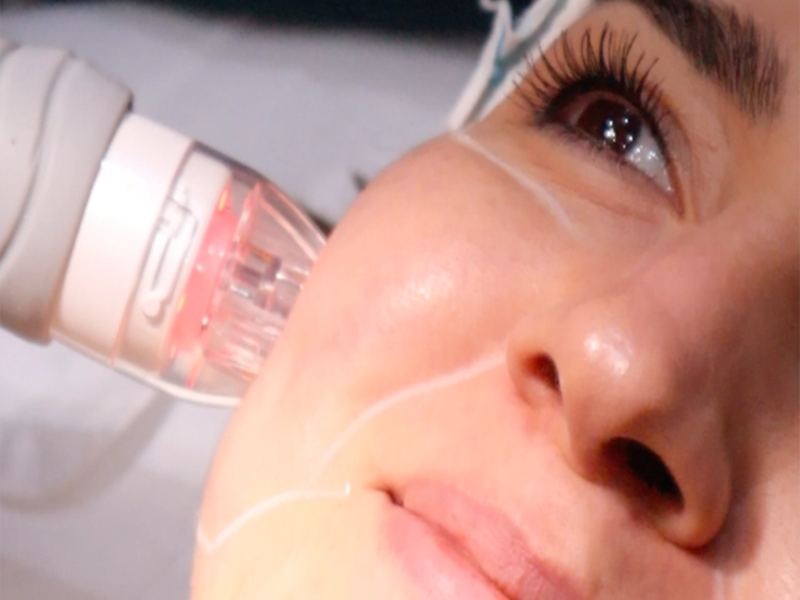

Small visible blood vessels may become noticeable on the face, legs or other parts of the body. Treatment is generally intended to reduce their appearance rather than guarantee that every visible vessel will disappear completely.
The appropriate method depends on the location, colour, diameter and depth of the vessel, as well as the individual’s skin tone and medical history.
Possible treatment options include vascular lasers, intense pulsed light, sclerotherapy and, in selected circumstances, other energy-based or minimally invasive methods.
A detailed assessment is important because facial vessels and leg veins do not always require the same treatment.
What Are Visible Capillaries and Telangiectasias?
Visible superficial vessels are often described as telangiectasias or spider veins. They may appear red, purple or blue depending on their depth, size and blood flow.
Common contributing factors include:
-
Genetic predisposition
-
Sun exposure
-
Ageing
-
Rosacea
-
Hormonal changes
-
Pregnancy
-
Prolonged standing
-
Previous inflammation or injury
-
Underlying venous insufficiency in the legs
Visible vessels are often a cosmetic concern, but leg veins accompanied by pain, swelling, heaviness, skin changes or ulcers may require vascular assessment.
Treatment of visible vessels does not necessarily improve the health of the entire circulatory system. The cosmetic vessel and any underlying vascular condition should be evaluated separately.
Why Does Device Selection Matter?
Different devices use different wavelengths, pulse durations, spot sizes and cooling systems.
These factors determine which blood vessels absorb the delivered energy and how surrounding skin responds.
The treatment plan should consider:
-
Vessel colour
-
Vessel diameter
-
Vessel depth
-
Treatment location
-
Natural skin tone
-
Recent tanning
-
History of pigmentation
-
Previous treatment response
-
Presence of rosacea or another skin condition
-
Use of photosensitising medication
A device that is effective for a small red facial vessel may not be suitable for a deeper blue leg vein.
Incorrect technology or unsuitable settings may increase the risk of inadequate improvement, burns, blistering, crusting, pigment changes or scarring.
Even when the correct device is selected, complete protection of the surrounding tissue cannot be guaranteed.
Which Methods Are Used?
Vascular Lasers
Vascular lasers deliver light that is preferentially absorbed by haemoglobin within blood vessels.
The absorbed energy heats the targeted vessel and may cause it to close gradually. The body may then clear the treated vessel over time.
Different vascular lasers are selected according to vessel size, colour, depth and skin tone.
Possible uses include selected:
-
Facial telangiectasias
-
Redness related to rosacea
-
Small vascular lesions
-
Superficial leg vessels
-
Red marks remaining after inflammation
The response is not immediate in every case. Treated vessels may temporarily darken, swell or become more noticeable before improving.
Intense Pulsed Light
Intense pulsed light, or IPL, uses a broad range of filtered light rather than a single laser wavelength.
It may be considered for diffuse facial redness, small superficial vessels and combined pigmentation concerns in selected individuals.
IPL is not suitable for every vessel type or skin tone. Device quality, filter selection, energy settings and practitioner experience affect both safety and effectiveness.
Sclerotherapy
Sclerotherapy involves injecting a medical solution into selected veins so that they close and gradually become less visible.
It is commonly considered for spider veins and small varicose veins on the legs.
It is not generally used as a routine treatment for small facial vessels.
Before leg-vein treatment, symptoms and signs of underlying venous insufficiency may need to be assessed. Ultrasound evaluation may be required in selected cases.
Possible risks include:
-
Bruising
-
Swelling
-
Temporary pigmentation
-
Inflammation
-
Small blood clots
-
Skin injury
-
Allergic reactions
-
Rare but more serious vascular complications
Radiofrequency and Other Thermal Methods
Selected radiofrequency or thermal devices may be used for certain small superficial vessels, depending on the technology and treatment area.
Radiofrequency should not be described as a standard solution for every deep vessel.
Larger or deeper leg veins may require vascular assessment and a different procedure.
Criteria for Choosing the Right Device
Vessel Colour
Red vessels are generally more superficial, while blue or purple vessels may be deeper or larger.
Colour helps guide device selection but should not be considered alone.
Vessel Diameter
Very fine vessels and larger veins respond differently to energy-based treatment.
Larger leg veins may be better suited to sclerotherapy or another vascular procedure than to a surface laser.
Vessel Depth
The treatment energy must reach the vessel while limiting unnecessary heating of the surrounding skin.
Wavelength, spot size and pulse duration all influence penetration depth and tissue response.
Skin Tone
Skin pigment also absorbs light energy. Individuals with darker skin tones may therefore have a greater risk of burns or pigment changes with some technologies and settings.
Device selection should not be reduced to the rule that lighter skin requires a lower wavelength and darker skin requires a higher one.
The practitioner must consider:
-
Wavelength
-
Energy level
-
Pulse duration
-
Cooling
-
Spot size
-
Skin tone
-
Vessel characteristics
Treatment Area
Facial vessels, leg veins and vascular lesions on other body areas have different characteristics.
A device or method used around the nose may not be appropriate for veins around the ankles or thighs.
Underlying Condition
Persistent facial redness may be related to rosacea, while visible leg veins may be associated with venous insufficiency.
Treating only the visible vessel may provide limited or temporary improvement when an underlying condition remains unmanaged.
Is One Device Suitable for Every Patient?
No.
Even when two individuals have vessels in the same area, the most appropriate treatment may differ because of:
-
Skin tone
-
Vessel size
-
Vessel depth
-
Medical history
-
Previous tanning
-
Medication use
-
Tendency to scar or develop pigmentation
-
Previous treatment response
A provider should not select treatment solely according to the device available at the clinic.
In some cases, a combination or staged plan may be considered. In others, no device-based treatment may be appropriate.
Treatment Planning at Ankara Laser
Ankara Laser or another qualified medical provider should assess the visible vessels before selecting a device or procedure.
The consultation should determine:
-
Whether the concern is cosmetic or potentially medical
-
Which type of vessel is present
-
Whether vascular examination is required
-
Which technology is being proposed
-
Why that technology is suitable
-
Expected degree of improvement
-
Possible number of sessions
-
Risks and recovery requirements
-
Alternative treatments
The name or popularity of a clinic does not determine the appropriateness of a device. Practitioner qualifications, clinical assessment, equipment maintenance and follow-up support are more important.
Expected Results
The result varies according to:
-
Vessel type
-
Location
-
Diameter
-
Depth
-
Skin tone
-
Device and settings
-
Number of sessions
-
Individual healing response
-
Presence of an underlying vascular or skin condition
Small superficial vessels may respond more readily than larger or deeper vessels, but this is not guaranteed.
Some vessels may improve after one session, while others may require repeated treatment or respond only partially.
New vessels may also appear over time. Treatment cannot prevent every future vascular change.
A universal success rate should not be given without specifying the exact device, vessel type, treatment protocol and patient group.
Possible Side Effects
Energy-based vessel treatments may cause:
-
Temporary redness
-
Swelling
-
Tenderness
-
Bruising
-
Darkening of treated vessels
-
Crusting
-
Blistering
-
Temporary or persistent pigmentation changes
-
Uneven skin colour
-
Scarring in uncommon cases
Sclerotherapy has a different risk profile and may cause local inflammation, pigmentation, small clots or other vascular complications.
Side effects should not be described as rare and harmless in every patient.
Recovery After Treatment
Recovery depends on the treatment method and intensity.
Some individuals may return to routine activities shortly after a superficial laser or IPL procedure. Others may experience redness, swelling, bruising or crusting for several days or longer.
After leg-vein treatment, compression stockings or temporary activity recommendations may be provided depending on the procedure.
The practitioner may recommend avoiding:
-
Intense exercise
-
Saunas and very hot baths
-
Direct sun exposure
-
Rubbing or scratching
-
Irritating skincare products
-
Prolonged standing, depending on the vascular procedure
Aftercare instructions should be individualised.
Frequently Asked Questions
How Long Does a Treatment Session Take?
The duration depends on the number of vessels, treatment area, device and procedure.
A fixed duration of 30 to 60 minutes does not apply to every individual.
Can Daily Activities Be Resumed Immediately?
Many individuals can resume light daily activities after selected treatments.
However, swelling, bruising, tenderness or procedure-specific restrictions may temporarily affect exercise, work or social activities.
How Many Sessions Are Required?
The required number of sessions depends on the vessel type, size, depth and response.
A precise number cannot be guaranteed before treatment.
Do Treated Vessels Return?
A successfully closed vessel may remain less visible, but new vessels can develop nearby.
Rosacea, sun exposure, hormonal factors and venous insufficiency may contribute to recurrence or formation of new vessels.
Is the Treatment Permanent?
Long-lasting improvement may occur in treated vessels, but permanent clearance of all visible vessels cannot be guaranteed.
Is Laser Always Better Than Sclerotherapy?
No.
Laser or IPL may be more appropriate for selected facial or very small superficial vessels, while sclerotherapy is often considered for suitable leg veins.
The decision depends on the vessel rather than the general popularity of the method.
When Is Further Medical Assessment Necessary?
Medical evaluation is particularly important when visible leg veins are accompanied by:
-
Pain
-
Swelling
-
Heaviness
-
Night cramps
-
Skin discolouration
-
Warmth or redness
-
Non-healing wounds
-
Sudden one-sided symptoms
Sudden leg swelling, severe pain, chest pain or shortness of breath requires urgent medical attention.
In conclusion, choosing the correct device or procedure is essential because visible vessels differ in colour, diameter, depth and location. Vascular lasers, IPL, sclerotherapy and other methods are not interchangeable. A personalised assessment helps select the most appropriate approach, establish realistic expectations and reduce avoidable risks.
 Call
Call
 Whatsapp