


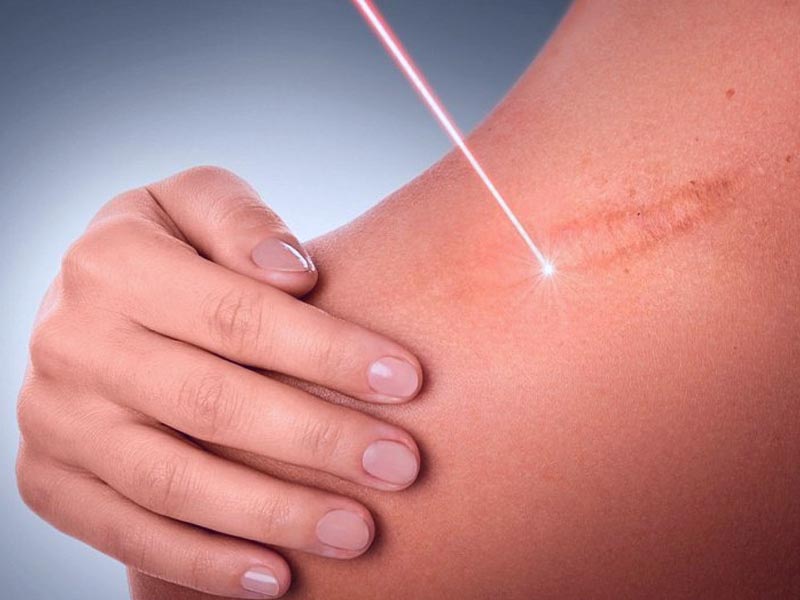

Scar treatment includes a range of methods intended to reduce the visible appearance or symptoms of scars rather than guarantee their complete removal. The skin is one of the body's most visible organs, and scars may influence how some individuals feel about their appearance. Scars can develop after surgery, accidents, burns, acne, and other injuries, while stretch marks are a different type of skin change.
Treatment may also address functional concerns in selected cases. Some scars, particularly contracted or tight scars, can restrict movement or cause discomfort. In such situations, Scar Treatment may be considered for functional as well as cosmetic reasons. Any effect on confidence or emotional well-being varies between individuals.
Different techniques may be used according to scar characteristics. Laser procedures, injections, surgery, silicone-based treatments, microneedling, and selected resurfacing methods can all have different roles. Chemical peeling and microdermabrasion mainly affect superficial skin layers and may have a more limited role in deeper scars. Ankara Laser services may be part of an individualized treatment plan when clinically appropriate.
Importance of Scar Treatment
Visible scars may affect confidence or emotional well-being for some individuals, particularly when they are associated with a difficult previous event. However, the psychological effect differs from person to person, and treatment itself cannot guarantee an improvement in mental health.
When appropriately selected, scar treatment may improve features such as color, thickness, texture, symptoms, or restriction. This can help some individuals feel more comfortable, although the degree of improvement varies considerably.
Certain scars may also cause physical symptoms. Thick, contracted, or symptomatic scars can sometimes cause tightness, itching, pain, or restricted movement. In these circumstances, treatment may have a functional role in addition to an aesthetic one.
What Is Individualized Planning?
Individualized planning means selecting treatment according to the specific scar and the individual's skin and medical characteristics. A standard treatment is not appropriate for every scar because scar type, location, maturity, skin phototype, symptoms, and healing tendency can differ significantly.
Planning may consider scar type, depth, color, thickness, age, location, previous treatments, medical history, and expectations. A dermatologist or another appropriately qualified professional can evaluate these factors before recommending a treatment. Assessment should not rely only on measurements such as skin hydration or elasticity.
The treatment plan may also be adjusted over time according to response and side effects. This makes treatment more adaptable, but it does not guarantee faster improvement or a particular result.
Benefits of an Individualized Approach to Scar Treatment
An individualized approach can help select methods that are more appropriate for a particular Scar or Wound Scar. Stretch marks should be assessed separately because they are biologically different from conventional scars.
Personalized planning may also help avoid unsuitable treatment combinations and reduce preventable risks. However, it does not guarantee shorter recovery, fewer side effects, or greater effectiveness in every individual.
Another advantage is that the individual can receive clearer information about realistic expectations, recovery requirements, and possible alternatives. This can support informed participation in treatment without implying that satisfaction or confidence will necessarily improve.
Scar Treatment Methods
Laser treatment may be used for selected scars. Different lasers can target redness, pigmentation, thickness, or texture, and the appropriate system depends on the scar rather than one universal protocol. Ankara Laser procedures should therefore be selected according to clinical suitability.
Chemical peels create controlled exfoliation of superficial skin layers and may help selected pigmentation or surface concerns. Microdermabrasion also primarily affects the outermost skin surface. Neither should automatically be expected to significantly correct deep structural scars.
Other scars may benefit from silicone therapy, injections, microneedling, subcision, surgery, pressure therapy, or combination approaches. Professional assessment helps determine which option may be appropriate.
Individualized Planning Process
Planning usually begins with a detailed assessment of the scar and surrounding skin. Scar type, symptoms, maturity, skin phototype, medical history, previous treatments, and individual goals may all be reviewed.
The proposed methods, expected recovery, possible limitations, and risks should then be explained. Treatment can be adapted according to the characteristics of the scar and the individual's tolerance.
Follow-up may be used to assess the response and modify the plan when necessary. This approach helps keep treatment aligned with the individual's needs but cannot guarantee a particular degree of improvement.
Professional Evaluation and Consultation
Professional evaluation is important because different scars require different approaches. A dermatologist, plastic surgeon, or another appropriately qualified clinician can help identify whether a scar is hypertrophic, keloid, atrophic, contracted, pigmented, or otherwise clinically significant.
Consultation also allows treatment expectations to be discussed. Complete disappearance is usually unrealistic, and some scars respond only partially despite appropriate treatment.
Follow-up may continue after treatment to evaluate recovery and determine whether additional procedures are appropriate. Regular review can support safe treatment planning but does not guarantee permanent results.
Aftercare and Follow-Up
Aftercare depends on the procedure performed. Gentle cleansing, appropriate moisturization, silicone therapy, wound care, or ultraviolet protection may be recommended in selected cases.
Follow-up can help evaluate improvement and identify complications early. It can also help determine whether further treatment is needed. Aftercare cannot guarantee that a scar will remain unchanged permanently or prevent every future scar.
Balanced nutrition, adequate hydration, and sufficient sleep support general health. They should not be considered direct scar-removal treatments or methods that guarantee long-term treatment success.
 Call
Call
 Whatsapp