


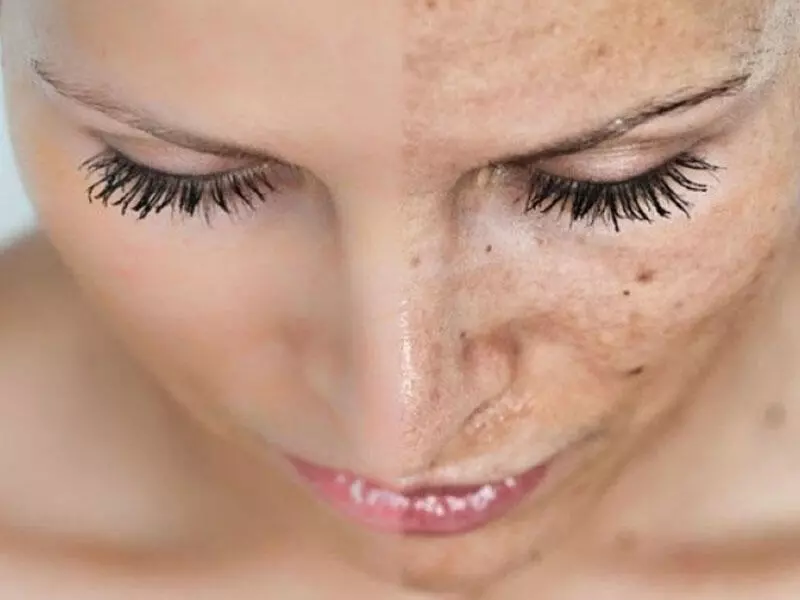

Melasma is a pigmentation condition characterised by dark patches on the skin. It usually appears on the face, particularly on the cheeks, nose, forehead and chin. Melasma may develop when melanin, the pigment responsible for skin colour, becomes concentrated in certain areas. In addition to genetic factors, hormonal changes, sun exposure and certain medications may trigger the condition.
Sun exposure is an important factor in the development and darkening of melasma. Sun protection is therefore important for reducing the risk of melasma becoming more noticeable. Because sun exposure may increase during summer, certain melasma treatments may be planned more frequently during winter. Avoiding intense sunlight may be easier for some people during this period.
Beginning melasma treatment during winter may make sun-protection measures easier to follow. However, the speed of treatment and the response obtained vary according to the selected method, the characteristics of the melasma and individual skin structure. The most appropriate treatment period should therefore be determined through individual assessment.
Advantages of Melasma Treatment During Winter
One possible advantage of planning melasma treatment during winter is that avoiding intense ultraviolet exposure may be easier for some people. The skin may become more sensitive during Pigmentation Treatments, and sun exposure may increase the risk of unwanted pigment changes. Following sun-protection measures regularly during winter may help the treatment process progress in a more controlled manner.
Another possible advantage is that cooler weather may reduce intense sweating for some people. However, skin-oil production and the absorption of skincare products do not depend only on the season. Cold and dry weather may also cause dryness and sensitivity in the skin barrier. Moisturising and barrier-supporting care should therefore not be neglected during Skin Pigmentation Treatments.
Winter may allow some people to follow their skincare routine more regularly. Holiday plans and outdoor activities during summer can make avoiding sunlight more difficult. However, treatment adherence depends more on daily habits and the ability to follow the recommended care plan than on the season itself.
The Relationship Between Pigmentation Treatments and Melasma
Pigmentation Treatments include different procedures used to reduce the appearance of dark areas on the skin. Melasma is one of the pigmentation concerns for which these treatments may be considered. Chemical peeling, microdermabrasion, topical products and laser procedures may be used.
Chemical peeling creates controlled exfoliation of the upper skin layer and supports skin renewal. It may help reduce visible pigmentation in certain cases of melasma. Microdermabrasion gently abrades the skin surface and may support a more balanced skin appearance. The suitability of both methods should be assessed according to individual skin structure.
Laser treatment is one of the methods that may be considered for melasma; however, it may not be suitable for every type of melasma or skin tone. The device and settings used in Ankara Lazer procedures should be selected according to individual skin characteristics and the features of the melasma. Laser energy may help reduce visible pigmentation by targeting areas of concentrated pigment. Results vary from person to person, and sun protection is important after treatment.
Skin Pigmentation Treatments: Reasons for Preference During Winter
Skin Pigmentation Treatments may be preferred more frequently during winter because avoiding intense sunlight may be easier for some people. Cold weather alone does not make the skin renew faster or respond better to treatment. Low temperatures and humidity may instead cause dryness, making suitable moisturising necessary.
Sunlight may feel less intense during winter than in summer. This may make it easier to limit strong sun exposure after treatment. However, ultraviolet radiation still reaches the skin during winter and may affect melanin production. Regular sun protection is therefore required regardless of the season.
Some people may have more time to focus on skincare and post-treatment recommendations during winter. However, this does not apply to everyone. The main factors affecting treatment response are selecting an appropriate method, sun protection, regular skincare and adherence to the individual plan.
Methods Used for Melasma Treatment During Winter
Methods used for melasma treatment during winter vary according to the needs of the skin and the severity of the condition. Chemical peeling is one commonly used method. It creates controlled exfoliation of the upper skin layer and may help the complexion appear more even.
Microdermabrasion gently abrades the skin surface and may support skin renewal. It may help reduce the appearance of certain superficial pigmentation concerns. Its suitability and intensity for sensitive skin should be determined through individual assessment.
Laser treatment is one of the methods that may be used for melasma. Laser energy aims to reduce visible pigmentation by targeting concentrated pigment in the skin. The suitability of Ankara Lazer procedures should be evaluated according to the depth of the melasma, skin tone and previous treatment history. Laser treatment may be combined with other methods in certain cases.
Points to Consider During Melasma Treatment
One of the most important points during melasma treatment is sun protection. Using broad-spectrum sunscreen and avoiding intense sun exposure may help reduce the risk of melasma darkening or becoming noticeable again.
Skincare products should also be selected carefully. Products that do not irritate the skin and support the skin barrier should be preferred. Moisturiser may help reduce dryness and sensitivity during treatment.
Patience and adherence to the recommended treatment plan are important. Melasma may persist for a long period and has a tendency to recur. Regular follow-up and suitable skincare may reduce its appearance, although the response varies from person to person.
 Call
Call
 Whatsapp