


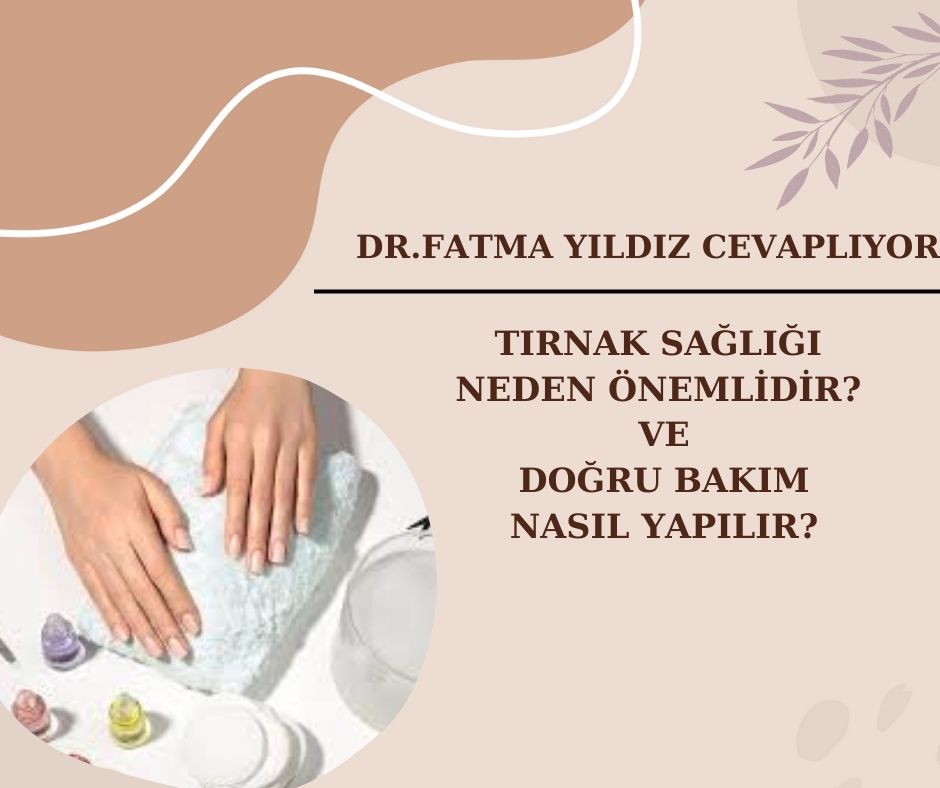

Why Is Nail Health Important and How to Maintain It Properly?
Nails not only provide an aesthetic appearance, but also an indicator of our health. While strong and healthy nails provide clues about the internal balance of our body, brittle and yellowed nails can be a sign of some vitamin deficiencies or health problems. So, what should we pay attention to in order to protect nail health and have strong nails?
Why is nail health so important?
It is an indicator of general health: Color changes, breaks or deformations in the nails can indicate deficiencies in the body or some diseases.
It helps protect hands and feet: Strong nails protect the fingertips and make them more resistant to impacts from external factors.
It provides an aesthetic appearance: Healthy and well-groomed nails are an indicator of personal hygiene and care.
It protects against germs and fungi: Weak and unkempt nails can create a suitable ground for fungi and bacteria to settle.
How should healthy nails be?
It should be smooth and strong: Nails that are brittle, peeling or cracking easily do not have a healthy structure.
Its color should be in natural pink tones: Color changes such as yellowing or bruising may indicate nutritional deficiencies or circulatory problems.
The surface should be smooth and free of stains: If there are white spots, lines or depressions on the nail, it may be necessary to consult a specialist.
How should daily nail care be?
Cut and file nails regularly. Very long nails can increase the risk of breakage.
Moisturize your hands and nails regularly. Dry nails can break and crack easily.
Use gloves to protect yourself from chemicals. Cleaning products or detergents can weaken the nail structure.
Do not hit or pick nails against hard surfaces. Physical impacts can damage the structure of the nails.
Do not cut the cuticles, just push them back. The risk of infection increases when the cuticles are cut.
What should be done to prevent nail breakage?
Consume foods containing protein and biotin. Foods such as eggs, almonds, avocados and salmon support nail health.
Use nail strengthening serums. Serums containing keratin can protect the nail structure and reduce breakage.
Avoid prolonged contact with water. Staying in water for long periods can weaken nails.
How to protect yourself from nail fungus?
Keep your feet and hands dry. Humid environments facilitate the spread of fungal infections.
Do not walk barefoot in public places. Using slippers in areas such as baths, gyms and pools can prevent fungal infection.
Wear breathable shoes. Tight and airless shoes can trigger fungal growth.
Do not use someone else's manicure and pedicure tools. Unhygienic tools can cause fungal infection.
What should be considered when using nail polish and nail polish?
Be careful not to leave nail polish on for a long time. Nail polish should be removed from time to time to allow nails to breathe.
Use nail polish removers that do not contain acetone. Acetone can dry nails and make them brittle.
Prefer products from reliable brands. Poor quality nail polishes may contain harmful chemicals.
What foods should be consumed for nail health?
Biotin: Almonds, eggs, hazelnuts and bananas
Iron: Red meat, lentils, spinach
Zinc: Pumpkin seeds, chickpeas, yogurt
Omega-3: Salmon, walnuts, flaxseed
What should I do in conclusion?
Maintaining nail health is also an important step for our general health. You can keep your nails strong and healthy by doing regular care, eating healthy and avoiding harmful habits. If you have nails that are constantly breaking, yellowing or deformed, it would be beneficial to consult a specialist.
Remember, healthy nails are an important indicator not only in terms of aesthetics but also in terms of general health!
I am Dermatologist Doctor Fatma Yıldız
We are waiting for you at our clinic, I wish you healthy days.
 Call
Call
 Whatsapp