


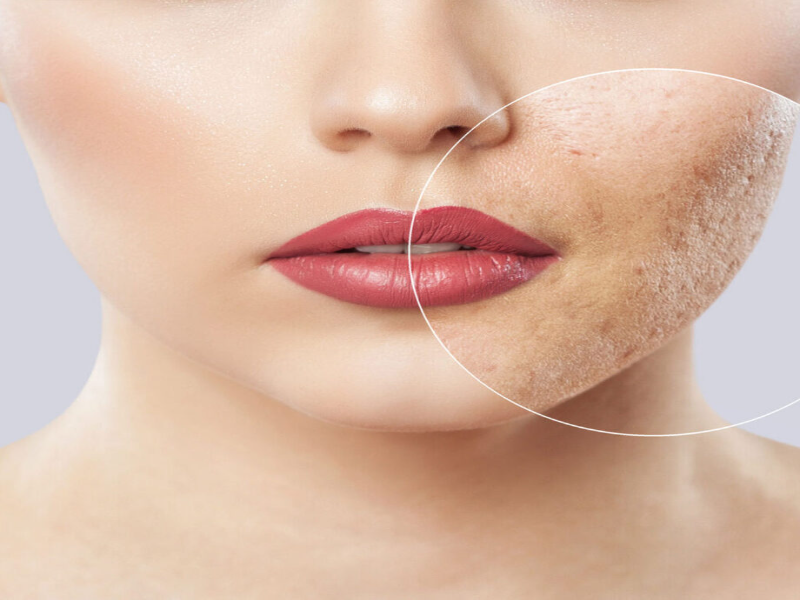

Microneedling is a dermatological procedure used to support skin renewal and remodeling. This method creates controlled micro-injuries in the skin, which stimulate the skin's natural healing response. Microneedling devices create very small channels in the skin and may support collagen remodeling, which can gradually improve skin texture and appearance.
Microneedling may be considered for several skin concerns. It can be useful for selected Acne & Pimple Scars, particularly certain atrophic scars, depending on the individual's skin characteristics. The procedure supports the skin's natural repair response and may gradually reduce the visible appearance of some scars.
The procedure is minimally invasive and is generally completed in a relatively short period of time, although temporary redness, sensitivity, or swelling may occur. However, there are several points that should be considered when planning Microneedling for Acne Scar Treatment. Appropriate patient selection, realistic expectations, and proper aftercare can help support the treatment process.
Why Do Acne Scars Develop?
Acne scars may develop after inflammatory acne damages deeper structures within the skin. Picking or squeezing acne lesions can increase the likelihood of scarring in some individuals, but it is not the only cause. Acne severity, depth of inflammation, and individual healing characteristics also play important roles.
Genetic factors may also influence the tendency to develop acne scars. Some individuals are more prone to scarring because of differences in skin structure and healing response. The depth and severity of scars can also vary according to the type of acne and how inflammation was managed. Early and appropriate acne treatment may help reduce the likelihood of additional scars.
Patience and consistency are important during acne scar treatment. Microneedling for acne scar treatment may require a gradual treatment process because skin remodeling does not occur immediately. Improvement may develop over time, and a patient approach can help maintain realistic expectations throughout treatment.
Benefits of Microneedling for Acne Scar Treatment
Microneedling for Acne Scar Treatment may help reduce the visible appearance of selected scars and gradually improve skin texture. Controlled micro-injuries can stimulate a healing response associated with collagen remodeling. Depending on scar type and individual response, this may contribute to a smoother-looking skin surface over time.
Microneedling activates the skin's natural repair mechanisms. This process may support gradual changes in skin texture and certain superficial irregularities. One potential advantage of microneedling is that recovery may be relatively short compared with some more intensive resurfacing procedures, although this varies according to treatment depth and individual skin response.
Another potential benefit is improvement in overall skin texture. Microneedling may help reduce the visible appearance of some textural irregularities and enlarged pores, although it does not permanently “close” pores. Applications performed at centers providing Ankara Laser and similar dermatological services should be planned according to skin type, scar characteristics, and individual risk factors.
Microneedling Treatment Process
The microneedling process generally begins with a skin assessment. During this evaluation, skin type, acne scar pattern, medical history, previous treatments, and individual needs may be considered when preparing a treatment plan. The number of sessions and treatment areas are determined according to these findings rather than using a fixed protocol for everyone.
During treatment, a microneedling device is applied to the selected areas of the skin. The device creates controlled microchannels that stimulate a healing response. Treatment duration varies according to the size of the area and the procedure used, and some individuals may experience mild to moderate discomfort. Temporary redness or swelling may occur afterward and may last for different periods depending on treatment intensity.
Microneedling often requires more than one session when used for acne scars. The number and spacing of sessions depend on scar type, skin response, and treatment goals. Gradual improvement may become more noticeable as the skin continues to remodel between sessions. Patience is therefore an important part of the overall treatment process.
Why Is Patience Important? Expectations During Treatment
Why is patience important when planning microneedling for acne scar treatment? Because microneedling is not a procedure that produces an immediate transformation. Skin remodeling takes time, and some individuals may require several sessions before a noticeable difference develops. Understanding this process can help create more realistic expectations.
Small changes may sometimes be noticed after individual sessions, but more significant improvement may take several weeks or months to become apparent. During this period, following professional recommendations and protecting the skin from unnecessary irritation can help support recovery. The exact timeline varies considerably from person to person.
Patience is also important during the post-treatment period. The skin needs time to recover after each procedure, and treatment results continue to develop gradually. Managing expectations appropriately during Microneedling for Acne Scar Treatment can help prevent unnecessary disappointment and support a more consistent treatment plan.
Care After Microneedling
Aftercare is an important part of microneedling treatment because the skin may temporarily become more sensitive following the procedure. The exact routine depends on treatment depth and professional instructions. Gentle cleansing, appropriate moisturization, and avoiding unnecessary irritation are commonly considered during the early recovery period.
Sun protection is also important after treatment. Recently treated skin may be more sensitive to ultraviolet exposure, which can contribute to irritation or pigmentation changes in some individuals. Broad-spectrum sunscreen and limiting excessive direct sun exposure may therefore be recommended. Moisturizers can also help support the skin barrier during recovery.
To allow the skin to recover without unnecessary irritation, strong acids, retinoids, harsh exfoliants, or other irritating products may need to be temporarily avoided. Products recommended after treatments provided by Ankara Laser or similar professional centers should be selected according to the procedure performed and the individual's skin response.
What Should Be Considered During Microneedling for Acne Scar Treatment?
There are several points to consider during Microneedling for acne scar treatment. Appropriate skin care before and after the procedure is important, and products should be selected according to individual skin characteristics. The use of unsuitable or irritating products may increase sensitivity during the treatment process.
Lifestyle factors may also influence general skin recovery. Excessive heat exposure and activities that significantly irritate recently treated skin may need to be limited for a period. Makeup may also need to be avoided temporarily depending on the treatment depth and condition of the skin. These precautions should be individualized rather than applied as fixed rules to everyone.
Hygiene is particularly important during microneedling. Sterile, single-use or appropriately sterilized needle components should be used, and the skin should be prepared according to proper clinical protocols. Professional application can help reduce avoidable risks, although no medical or aesthetic procedure can be considered completely risk-free.
Treatment Results and Process
Treatment results usually develop gradually rather than immediately. Microneedling for acne scars may improve the appearance of selected scars and contribute to a smoother skin texture over time. However, the degree of improvement varies according to scar type, treatment depth, skin characteristics, and individual healing response.
A patient treatment process allows sufficient time for the skin's remodeling response to develop between sessions. Following professional recommendations and attending sessions at appropriate intervals can support the planned treatment process. A balanced lifestyle may also support general health, although it does not directly determine the outcome of acne scar treatment.
In conclusion, Microneedling for Acne Scar Treatment is a process that requires realistic expectations, consistency, and patience. Allowing sufficient time between treatments and evaluating results gradually can help ensure that the process is managed appropriately. Individuals considering treatment may benefit from professional dermatological assessment to determine whether microneedling is suitable for their acne scar type.
 Call
Call
 Whatsapp