


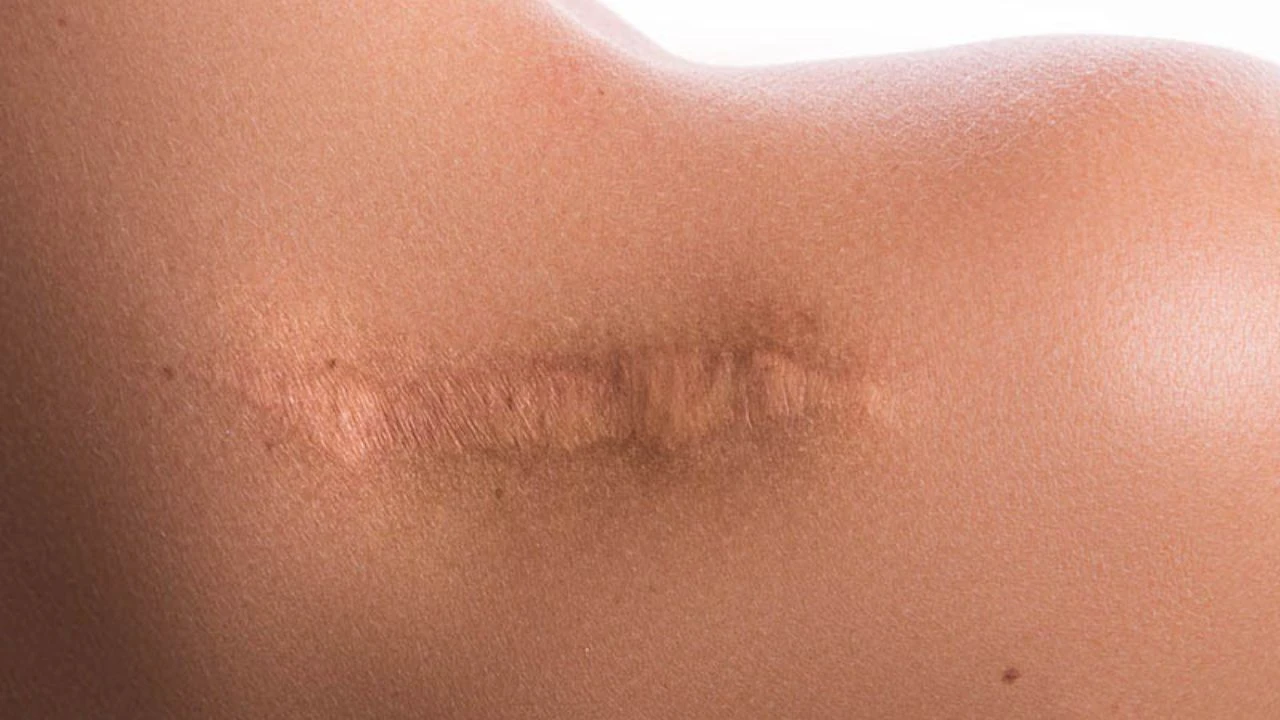

Laser scar treatment includes procedures intended to reduce the visibility of scars and associated colour or texture irregularities. Different laser technologies deliver controlled energy to selected layers of the skin and may stimulate collagen remodelling and tissue renewal.
The objective is generally to make the scar less noticeable rather than remove it completely. The degree of improvement depends on the scar type, skin tone, treatment method and individual healing response.
Laser treatment may be considered for selected surgical scars, acne scars, burn scars and traumatic scars. However, these scar types have different structures and do not respond to the same laser or treatment protocol.
Some laser procedures involve limited downtime, while more intensive fractional or ablative treatments may require a longer recovery period. Temporary redness, swelling, sensitivity, crusting, peeling and pigmentation changes may occur.
Laser applications may also help improve selected differences in skin tone and texture. Nevertheless, their effect should be assessed realistically, and treatment should be planned according to the characteristics of the individual and the scar.
Potential Advantages of Laser Scar Treatment
One potential advantage of laser treatment is that different technologies can target different scar characteristics. Some lasers focus on redness or pigmentation, while others aim to improve uneven texture through collagen remodelling.
Selected acne scars, surgical scars and traumatic scars may benefit from laser treatment. However, the most appropriate method depends on whether the scar is depressed, raised, widened, red, pigmented or attached to deeper tissue.
The duration and level of discomfort vary according to the laser technology and treatment intensity. Topical or local anaesthesia may be used for selected procedures.
Some individuals may return to their routine shortly after treatment, while others may experience visible redness, swelling, peeling or crusting for several days or longer.
Laser treatment may support tissue remodelling and gradually reduce the visibility of selected scars. However, it cannot guarantee complete removal, permanent results or equal improvement in every individual.
Why Is Personalised Planning Important?
Personalised planning plays a critical role in the safety and appropriateness of laser scar treatment. Every individual has a different skin tone, sensitivity, scar structure and healing response.
A treatment plan that is suitable for one person may carry a greater risk of irritation, pigmentation changes or limited improvement in another. The device, wavelength, energy level, treatment depth and session interval should therefore be selected individually.
Personalised planning begins with a detailed medical and dermatological assessment. This evaluation may include:
-
Skin tone and sensitivity
-
Type, depth and age of the scar
-
Location and size of the treatment area
-
Previous scar treatments
-
Tendency to develop pigmentation or keloids
-
Current medications
-
Medical conditions affecting healing
-
Pregnancy or breastfeeding
-
Recent sun exposure
-
Personal expectations
Based on these findings, the specialist determines whether laser treatment is appropriate, which technology may be considered and whether another treatment should be used alone or in combination.
Individualised planning may help reduce avoidable risks and establish realistic treatment goals. It does not guarantee a perfect result, but it supports a safer and more controlled treatment process.
Scar Types and Laser Treatment Methods
Different scar types may require different laser technologies or combined approaches.
Atrophic Scars
Atrophic scars appear as depressions in the skin and commonly develop after acne or chickenpox. Fractional laser technologies may support collagen remodelling in selected cases.
However, atrophic scars include different subtypes. Deep or tethered scars may require subcision, microneedling or dermal fillers in addition to or instead of laser treatment.
Hypertrophic Scars
Hypertrophic scars are raised but generally remain within the boundaries of the original wound. They may develop after surgery, burns or trauma.
Vascular lasers may be considered when redness is prominent, while fractional technologies may be used for selected texture concerns. Corticosteroid injections, silicone products or other methods may also be required.
There is no single “low-energy laser” protocol that is suitable for every hypertrophic scar.
Keloid Scars
Keloids extend beyond the original wound boundaries and may continue growing over time. They may also cause itching, pain or tenderness.
Laser treatment is generally not used as the only treatment for keloids. It may be combined with corticosteroid injections, silicone therapy, pressure treatment or selected surgical approaches.
Keloids have a risk of recurrence, so their treatment requires careful planning and follow-up.
How Does the Laser Scar Treatment Process Work?
The treatment process generally begins with a detailed assessment of the skin and scar. The specialist examines the scar’s colour, depth, texture, location and relationship with the surrounding tissue.
Medical history should also be reviewed. Previous healing problems, medication use, allergies, active skin conditions and a history of pigmentation or keloid formation may affect the treatment plan.
After the assessment, the most appropriate laser technology and settings are selected. Protective equipment is used during the procedure, and anaesthesia may be applied depending on the treatment intensity.
Laser energy is then delivered to the selected area in a controlled manner. Some lasers target blood vessels or pigment, while fractional lasers create microscopic treatment zones to stimulate tissue remodelling.
Several sessions may be required. The number of sessions and the interval between them depend on the skin’s response, the scar type and the treatment intensity.
The treatment plan should be reviewed after each session. If the skin develops prolonged irritation or limited improvement, the settings, interval or treatment method may need to be adjusted.
Points to Consider Before and After Laser Treatment
Before Treatment
The skin should be free from active infection, open wounds, significant irritation and sunburn before the procedure.
The specialist should be informed about all medications and skincare products. Retinoids, exfoliating acids and products that increase sensitivity may need to be paused temporarily.
Recent tanning and direct sun exposure should be avoided according to the specialist’s instructions. Moisturising may support the skin barrier, but it does not guarantee a better treatment response.
After Treatment
Temporary redness, swelling, warmth or sensitivity may occur. More intensive procedures may also cause peeling or crusting.
The treated area should be cleansed gently and moisturised with products recommended by the specialist. Scrubs, retinoids, exfoliating acids and fragranced products may need to be avoided during recovery.
Direct sunlight should be limited. Broad-spectrum sunscreen should be used on exposed areas when the skin can tolerate application.
Blistering, increasing pain, discharge, severe swelling or prolonged redness should be reported to the treating specialist.
Following a skincare routine may support recovery, but it cannot guarantee that the results will be permanent. The long-term appearance of the scar may be influenced by sun exposure, ageing, further injury and individual healing characteristics.
Choosing the Right Specialist for Laser Treatment
Laser scar treatment should be planned and performed by a qualified medical professional with experience in assessing different scar types and skin tones.
When choosing a specialist, it is important to consider:
-
Medical qualifications
-
Experience with scar treatment
-
Knowledge of different laser technologies
-
Ability to identify when laser is not suitable
-
Approach to possible complications
-
Quality of pre-treatment assessment
-
Clarity of aftercare instructions
Patient reviews may provide general information about communication or service experience, but they should not replace an assessment of medical qualifications and treatment standards.
Ankara Laser applications should be selected according to the scar’s characteristics rather than solely according to device popularity or marketing claims.
The specialist should clearly explain the proposed technology, expected level of improvement, possible side effects, recovery period, alternatives and potential need for combination treatment.
In conclusion, personalised planning is essential because laser scar treatment cannot be applied with a single standard protocol. Skin tone, scar type, medical history and healing response must all be considered when choosing the device, settings and session schedule. This individualised approach supports safer treatment and more realistic expectations.
 Call
Call
 Whatsapp