


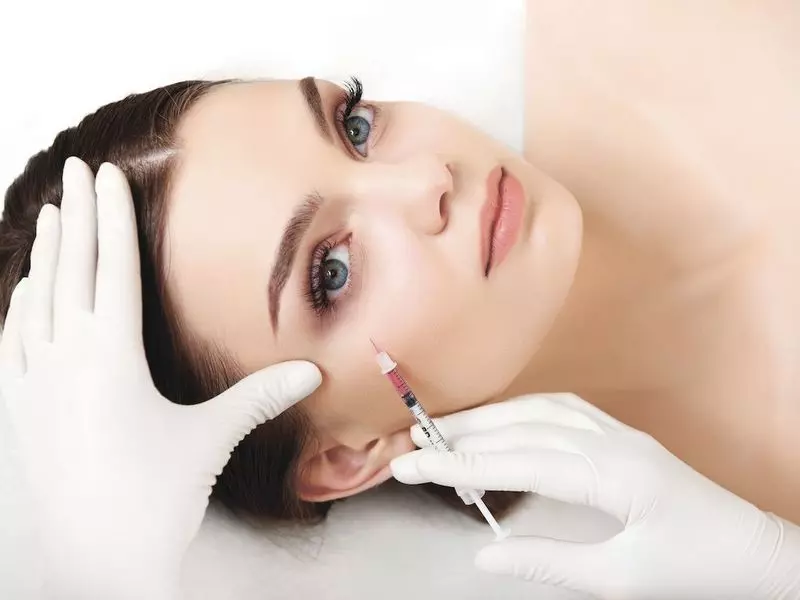

Pigmentation mesotherapy is a treatment method used to reduce the appearance of skin pigmentation. There are several reasons why demand for this treatment increases, particularly during the winter months. In this article, we will provide detailed information about pigmentation mesotherapy and explain why it is preferred more often during winter.
What Is Pigmentation Mesotherapy?
Pigmentation mesotherapy is a treatment method specifically developed to address pigmentation concerns in the skin. The procedure involves injecting vitamins, enzymes and other active ingredients into the deeper layers of the skin using fine needles. This may support skin renewal and help reduce the appearance of pigmentation.
Mesotherapy does not focus only on visible pigmentation but may also support the skin’s general condition. The substances delivered beneath the skin may stimulate collagen production and contribute to a firmer and more youthful-looking appearance. This treatment may be considered for concerns such as sunspots, age spots and acne marks.
Undergoing pigmentation mesotherapy during winter may make it easier to protect the skin from harmful ultraviolet rays. This can support a more comfortable recovery process and help maintain the results of the treatment.
Benefits of Pigmentation Mesotherapy
Pigmentation mesotherapy may provide several benefits and support the overall appearance of the skin. First, it may help regulate melanin production and reduce the visibility of pigmentation. This can contribute to a more even skin tone and minimise differences in skin colour.
The treatment may also support skin rejuvenation. The applied ingredients can encourage cellular renewal and contribute to a fresher and more vibrant appearance. They may also support collagen production, helping improve skin elasticity and firmness.
Another potential benefit is supporting the skin’s moisture balance and resistance to environmental factors. By maintaining hydration and strengthening the skin barrier, pigmentation mesotherapy may contribute to a healthier-looking complexion over time.
The Pigmentation Mesotherapy Procedure
Pigmentation mesotherapy should be performed by a qualified dermatologist or appropriately trained practitioner. The first stage involves analysing the skin in detail and identifying its needs. This assessment plays a critical role in determining which active ingredients should be used.
During the procedure, a specially prepared mixture is injected beneath the skin using fine needles. This mixture generally contains vitamins, minerals, amino acids and other skin-supporting ingredients. Mild discomfort may be felt during the application, although the procedure is generally well tolerated.
Temporary redness or swelling may occur after treatment. These effects usually subside within a short time. Following the recommended aftercare instructions is important for supporting the skin’s recovery.
The Most Suitable Time for Pigmentation Mesotherapy
Autumn and winter are generally considered the most suitable periods for pigmentation mesotherapy. The main reason is that sunlight is less intense during these seasons. Harmful ultraviolet rays may increase pigmentation and cause skin damage, so undergoing treatment during periods of reduced sun exposure may support better management of the skin.
Lower sun exposure during winter makes it easier to protect the treated skin. This may support the recovery process and help maintain treatment results. However, cold weather can also dry the skin, so appropriate moisturising care remains important.
When planning pigmentation mesotherapy, the treatment schedule should be determined according to the individual’s skin type and needs. This helps ensure that the procedure is performed at an appropriate time and with a personalised approach.
Aftercare Following Pigmentation Mesotherapy
Aftercare following pigmentation mesotherapy is critically important for treatment success. First, suitable moisturisers may be recommended to maintain the skin’s moisture balance. Keeping the skin hydrated can support recovery and help maintain a healthier appearance.
Sun protection is one of the most important parts of post-treatment care. The skin may become more sensitive to sunlight after pigmentation mesotherapy. Sunscreen with a high protection factor should therefore be used regularly. Professional recommendations provided by specialist centres such as Ankara Laser may be helpful during this process.
Products and procedures that may irritate the skin should generally be avoided for several days after treatment. Cleansing the skin gently and using soothing products may help the skin recover more comfortably.
Frequently Asked Questions About Pigmentation Mesotherapy
1. Who Is Pigmentation Mesotherapy Suitable For?
Pigmentation mesotherapy may be suitable for individuals concerned about uneven skin tone or visible pigmentation. However, it may not be recommended during pregnancy or breastfeeding, for individuals with certain skin conditions or for those with a severe fear of needles. Consulting a dermatologist before treatment is advisable.
2. How Many Sessions Are Required?
Several sessions may be required for pigmentation mesotherapy to provide noticeable results. The number of sessions varies depending on the condition of the skin and the intensity of the pigmentation. A specialist can determine the most suitable treatment plan following an assessment.
3. Can I Return to My Daily Activities Immediately After Treatment?
Most individuals can generally return to their daily activities shortly after pigmentation mesotherapy. However, the skin should be protected from sunlight, and the recommended aftercare instructions should be followed carefully. Appropriate skincare after treatment can help support the intended results.
 Call
Call
 Whatsapp