


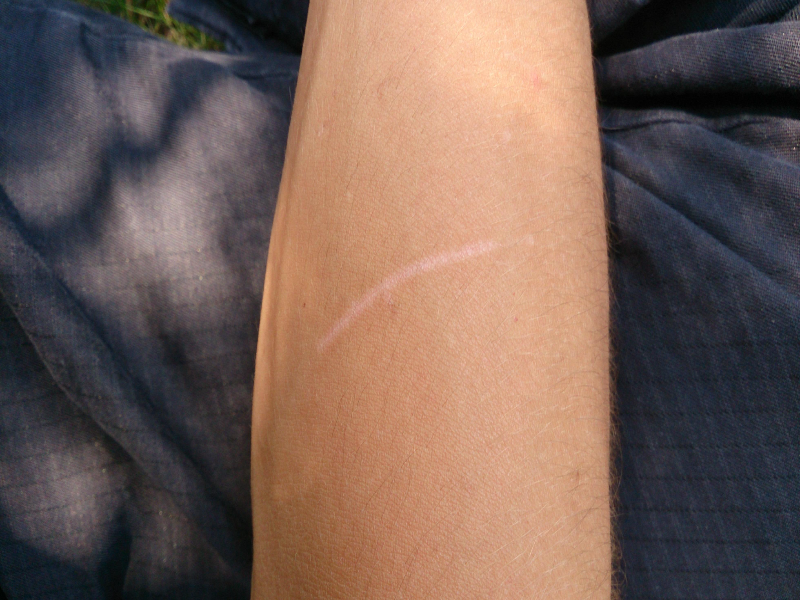

Laser treatment is frequently used today to reduce the visible appearance of skin concerns such as scars, wound scars, and selected stretch marks. However, appropriate skin care after treatment can also be important for supporting recovery and protecting recently treated skin. This article explains why skin care is important after laser scar treatment, together with key points that may need attention during recovery.
What Is Laser Scar Treatment?
Laser Scar Treatment is a method used to improve selected scars, pigmentation changes, and textural irregularities of the skin. Different laser systems deliver controlled energy to specific skin targets and may support resurfacing, vascular treatment, pigment reduction, or dermal remodeling depending on the technology used. Different clinics in Ankara offer these procedures according to their medical and technical capabilities.
Laser procedures may be considered for selected surgical scars, acne scars, and certain stretch marks, although these conditions are biologically different and do not respond in the same way. Treatment is generally individualized according to skin phototype, scar type, depth, color, and previous treatments. Laser Scar Treatment may require more than one session in some cases, with intervals determined according to the laser and skin recovery.
Many laser procedures do not require conventional surgical scar excision, but they are not all completely non-invasive. Ablative and fractional procedures, for example, can deliberately create controlled injury in selected skin layers. Aftercare is therefore important for supporting recovery and reducing unnecessary irritation or complications.
Effects of Laser Treatment on the Skin
The effects of laser treatment depend on the device and indication. Some lasers act mainly on the surface, while others create controlled effects in deeper layers or target blood vessels or pigment. Certain systems can stimulate a wound-healing response associated with collagen remodeling, which may gradually improve the appearance of selected scars.
Temporary redness, warmth, dryness, swelling, or sensitivity can occur after treatment. These reactions may resolve within a relatively short period after mild procedures, while more intensive laser treatments can require longer recovery. Skin care should therefore be adapted to the specific treatment.
Appropriate precautions after laser treatment may help support normal healing and reduce avoidable irritation. For example, ultraviolet protection is often important because recently treated skin may be more susceptible to pigment changes. These precautions can support recovery but do not guarantee faster healing or maximize the treatment result.
Why Is Skin Care Necessary After Laser Treatment?
Skin care after laser scar treatment may be necessary because the skin can temporarily become more sensitive to dryness, friction, cosmetic products, and environmental exposure. Depending on the procedure, peeling, tightness, dryness, or irritation may occur. Appropriate aftercare can help support the skin barrier while it recovers.
Moisturizers, barrier-supporting products, or other post-procedure products may be recommended according to the laser used. These products can help reduce dryness and discomfort, but they should not be assumed to directly accelerate cellular regeneration or prevent every form of irritation.
Consistent aftercare may support the recovery process and help reduce avoidable complications. However, the long-term effectiveness of laser treatment depends mainly on scar characteristics, the laser system, treatment settings, individual healing response, and the overall treatment plan rather than skin care alone.
Benefits of Skin Care After Laser Treatment
Skin care after laser treatment can help maintain comfort and support the recovering skin barrier. One of its main purposes is to reduce excessive dryness, irritation, or sensitivity during the period when the skin is temporarily more vulnerable.
Appropriate cleansing and wound-care measures may also help reduce avoidable contamination or irritation. However, skin care cannot completely prevent infection or other complications, and the requirements differ substantially between mild non-ablative procedures and deeper ablative resurfacing.
Long-term skin care, particularly sun protection and suitable moisturization, can support general skin condition. However, routine post-laser products should not automatically be expected to make the skin younger, significantly increase collagen production, or permanently improve elasticity.
Important Points in Post-Treatment Skin Care
Cleansing after treatment should follow the instructions for the specific laser procedure. Some treatments allow gentle cleansing relatively early, while others require a more specific wound-care protocol. Cleansing should be performed without unnecessary rubbing or irritation.
Moisturization may be useful when the treated skin becomes dry or the barrier is temporarily disrupted. The product should be suitable for the procedure and individual skin tolerance. Fragrance-free or low-irritation formulations may sometimes be preferable, but fragrance or alcohol content alone does not determine whether every product is suitable or unsuitable.
Sun protection is often an important part of recovery after laser treatment. Broad-spectrum sunscreen, protective clothing, and limiting excessive direct ultraviolet exposure may help reduce the risk of post-treatment pigmentation changes. The exact recommendations depend on the procedure and treatment area.
Professional Views and Recommendations
Aftercare recommendations should ideally be individualized according to the laser technology, treatment depth, scar type, and condition of the skin. The professional performing the procedure may recommend specific cleansing, moisturizing, wound-care, or sun-protection measures.
Consistency can be useful during recovery, but using more products or following a more complicated routine does not necessarily improve healing. Follow-up appointments may also help identify unexpected reactions and determine when active skin-care products can safely be restarted.
Finally, product selection should be based on suitability and skin tolerance rather than whether an ingredient is described as “natural.” Natural ingredients can also cause irritation or allergic reactions, and products labeled dermatologically tested do not guarantee that every individual will tolerate them without a reaction.
 Call
Call
 Whatsapp