


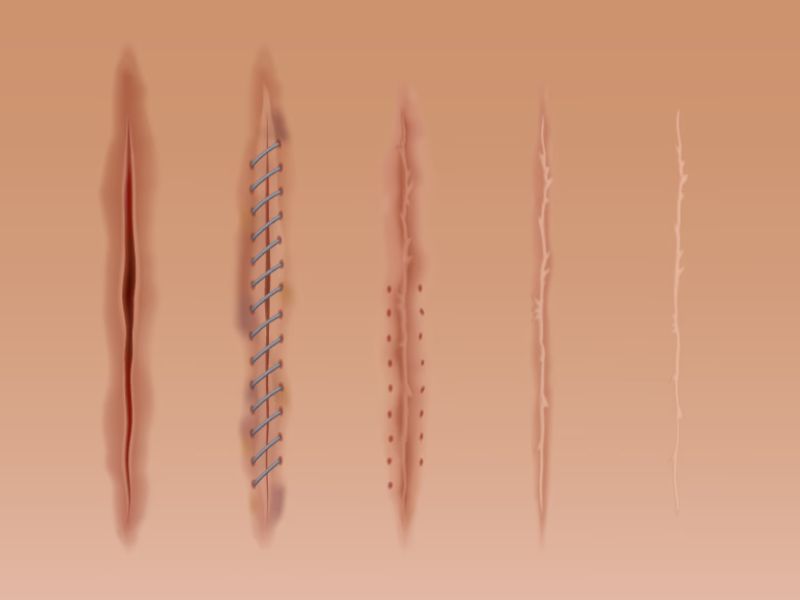

Surgical Scar Treatment includes different procedures intended to reduce the visible appearance of scars that remain after surgery. Depending on the scar, treatment may involve laser procedures, selected resurfacing techniques, injections, silicone-based therapies, surgery, or other methods. Complete removal of a surgical scar cannot generally be guaranteed.
Scars form as part of the body's normal wound-healing process after surgery. Some scars may cause cosmetic concerns and can influence how certain individuals feel about their appearance. Scars, Wound Scars, and Stretch Marks are different conditions and should not automatically be managed with the same treatment.
An individualized plan is important because surgical scars differ in width, color, thickness, age, location, and symptoms. Centers offering Ankara Laser and other scar procedures may assess these characteristics before recommending a treatment and aftercare plan.
Importance of Surgical Scar Treatment
The reasons for considering surgical scar treatment are not limited to appearance. Some individuals may feel uncomfortable with a visible scar, although psychological effects vary and treatment cannot be expected to improve confidence in every person.
Certain scars may also have functional effects, especially when they become tight, painful, itchy, or restrict movement. A mature surgical scar does not automatically damage the skin barrier or increase infection risk, but specific scar complications may require medical evaluation.
Treatment aims primarily to improve selected features of the scar, such as thickness, color, texture, symptoms, or restriction. It should not be described as restoring the skin completely to its original healthy appearance.
Benefits of Skin Care After Surgical Scar Treatment
Skin Care After Surgical Scar Treatment can support the recovering skin barrier and reduce unnecessary dryness or irritation after certain procedures. The appropriate routine depends on the treatment performed and the stage of wound or scar healing.
Regular use of an appropriate moisturizer may help with dryness and barrier support. Some scar-specific products, such as silicone-based preparations, may be appropriate in selected healed scars. However, cosmetic serums or moisturizers should not be assumed to rapidly fade scars or directly stimulate clinically meaningful collagen production.
Sun protection may also be useful, particularly when the treated area is exposed and prone to pigment changes. Broad-spectrum sunscreen and physical protection can help reduce unnecessary ultraviolet exposure while the area is recovering.
Choosing Appropriate Products After Surgical Scar Treatment
Product selection should be based on the condition of the treated skin, wound closure status, procedure performed, and professional recommendations. No single product type is universally best for every surgical scar.
Many moisturizers, sunscreens, scar products, and serums are available for Scar – Wound Scar – Stretch Mark Treatments, but these conditions are not identical. Fragrance-free or low-irritation products may be useful for sensitive skin, while the term “hypoallergenic” does not guarantee that an allergic reaction will not occur.
The frequency of product use should follow instructions for the specific treatment. A twice-daily morning-and-evening routine is not automatically required for every scar procedure. More frequent application does not necessarily produce faster improvement.
Skin Care Routine After Surgical Scar Treatment
A post-treatment skin-care routine should be adapted to the procedure and the stage of recovery. The aim is to protect the treated area and avoid unnecessary irritation rather than use as many products as possible.
Steps That May Be Included in a Daily Routine
- Cleansing: Once cleansing is permitted, the treated area may be washed gently with a suitable cleanser according to professional instructions.
- Moisturizing: An appropriate moisturizer or recommended post-procedure product may help support the skin barrier when dryness is present.
- Sun Protection: Broad-spectrum sunscreen and physical sun protection may be recommended for exposed areas, depending on the procedure and scar.
- Specific Scar Products: Silicone products or other prescribed treatments may be used when clinically appropriate for the scar type and stage.
- Night Care: Additional night products are not automatically necessary. The routine should remain simple unless a clinician recommends specific products.
Important Points in Skin Care
Product ingredients should be selected according to skin tolerance and the treatment performed. It is not necessary to avoid all parabens, sulfates, alcohols, or synthetic ingredients simply because they are “chemicals.” What matters is whether a particular formulation is appropriate for the recovering skin.
Expiration dates and storage instructions should be followed because degraded or contaminated products may cause problems. Products should be stored according to the manufacturer's instructions rather than assuming all products require the same conditions.
If irritation, rash, swelling, burning, or other unexpected reactions occur, the product may need to be discontinued and professional advice obtained. Monitoring skin response is particularly important after procedures that temporarily weaken the barrier.
Role of Nutrition After Surgical Scar Treatment
Nutrition supports normal health and tissue repair, particularly when a wound is still healing. A balanced diet containing adequate energy, protein, vitamins, minerals, and other nutrients is generally preferable to relying on specific foods or supplements.
General Nutrition Considerations
- Protein: Protein is required for normal tissue repair, but consuming excess protein does not guarantee faster scar reduction.
- Vitamin C: Vitamin C has a biological role in collagen synthesis and normal wound healing, but additional intake beyond nutritional needs does not guarantee faster cosmetic improvement.
- Omega-3 Fatty Acids: These are part of a balanced diet and general health but are not specific treatments for surgical scars.
- Water: Adequate hydration supports normal body functions, but drinking extra water does not directly remove or remodel a scar.
Nutrition should therefore be considered supportive of general health rather than a substitute for scar-specific treatment.
Professional Recommendations
Professional guidance can help adapt aftercare to the procedure, scar type, and individual skin response. Dermatologists and other appropriately qualified clinicians may recommend products and routines according to the treatment performed.
Patience is important because scars mature gradually and complete disappearance is not generally expected. “Natural” products are not automatically preferable, and synthetic or medically formulated products should not be avoided solely because they contain chemical ingredients.
Following an individualized plan can help support recovery and reduce avoidable irritation. The most appropriate routine depends on the scar and treatment rather than a universal set of products.
 Call
Call
 Whatsapp