


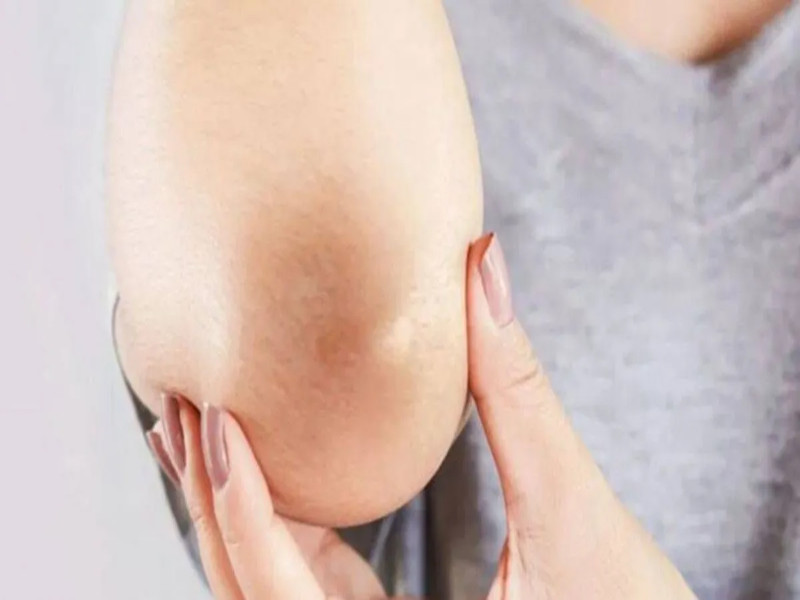

Elbow brightening refers to skincare products or professional procedures intended to reduce uneven pigmentation and improve the appearance of darkened, rough or thickened elbow skin. The aim is generally to create a more even-looking skin tone rather than permanently whiten the natural colour of the skin.
Darkening around the elbows may develop because of repeated friction, pressure, dryness, sun exposure, genetic predisposition or pigmentation following inflammation. The elbow area is naturally thicker and often drier than many other parts of the body, which can make colour and texture differences more noticeable.
Different approaches may be considered, including moisturising products, gentle exfoliating ingredients, pigment-regulating topical products, chemical peels and selected laser procedures.
The appropriate method should be chosen according to the condition of the elbow skin, sensitivity, natural skin tone and the underlying cause of the darkening.
Why Is Skin Type Important?
Skin characteristics play an important role because every individual responds differently to active ingredients and professional procedures.
When evaluating elbow pigmentation, the most relevant factors include:
-
Degree of dryness
-
Thickness and roughness
-
Skin sensitivity
-
Tendency to develop irritation
-
Natural skin tone
-
Risk of post-inflammatory pigmentation
-
Exposure to friction or pressure
-
Presence of eczema or another skin condition
The facial classifications of oily, dry or combination skin do not always apply directly to the elbows. The elbow area has fewer sebaceous glands and is more commonly affected by dryness, thickening and repeated friction.
Using an unsuitable or excessively strong product may cause redness, burning, peeling or additional darkening. Individualised product and treatment selection is therefore important.
Causes of Darkened Elbows
Several factors may contribute to elbow pigmentation.
Repeated Friction and Pressure
Frequently leaning on the elbows, tight clothing and repeated rubbing may cause thickening and darkening of the skin.
Treatment may provide limited improvement if the source of friction continues.
Dryness
Dry skin may appear rough, dull and darker. Cracking and repeated irritation may make pigmentation more visible.
Sun Exposure
Ultraviolet exposure may increase pigment production, especially when the elbows are frequently uncovered.
Post-Inflammatory Pigmentation
Eczema, allergic reactions, scratching, harsh exfoliation or irritating products may leave darker marks after the inflammation settles.
Genetic and Medical Factors
Natural skin tone and genetic predisposition may influence the colour of the elbows.
Sudden, widespread or velvety darkening may require medical evaluation because it can occasionally be associated with an underlying dermatological, hormonal or metabolic condition.
Elbow-Brightening Methods
Moisturising and Barrier Support
Regular moisturising may soften dry, thickened skin and improve its overall texture.
Products containing ingredients such as:
-
Urea
-
Lactic acid
-
Ceramides
-
Glycerin
-
Hyaluronic acid
-
Panthenol
may support hydration and gentle surface renewal.
The appropriate ingredient concentration depends on skin sensitivity. Strong urea or acid formulations may sting or irritate cracked skin.
Gentle Exfoliating Products
Selected keratolytic ingredients may help reduce surface thickening and roughness.
Possible ingredients include:
-
Urea
-
Lactic acid
-
Salicylic acid
-
Other carefully formulated exfoliating acids
These products should not be applied too frequently. Excessive exfoliation can damage the skin barrier and worsen pigmentation.
Pigment-Regulating Products
Certain topical formulations may contain:
-
Niacinamide
-
Vitamin C derivatives
-
Arbutin
-
Kojic acid
-
Azelaic acid
These ingredients may help improve uneven pigmentation gradually, but their effects vary according to formulation, concentration and individual response.
They may also cause redness, dryness or irritation. No topical product can guarantee complete or permanent removal of pigmentation.
Chemical Peeling
A professionally performed chemical peel may be considered for selected cases involving superficial pigmentation or thickened skin.
The type and strength of the peel should be adjusted according to the individual’s skin tone and sensitivity.
Possible side effects include:
-
Burning
-
Redness
-
Peeling
-
Irritation
-
Post-inflammatory pigmentation
-
Uneven colour changes
Laser and Energy-Based Procedures
Ankara Laser applications may be considered when the pigmentation is suitable for device-based treatment and topical care has provided limited improvement.
The selected technology should depend on whether the main concern is pigmentation, thickened texture or a combination of both.
Laser treatment does not guarantee rapid or permanent results. Several sessions may be required, and darker skin tones may have a greater risk of temporary or persistent pigmentation changes.
Why Should Home Remedies Be Used Cautiously?
Homemade mixtures containing lemon juice, baking soda, coarse particles or undiluted essential oils may irritate the skin.
Lemon juice is acidic and may cause burning, sensitivity and pigmentation, particularly when the area is exposed to sunlight.
Turmeric may temporarily stain the skin, while yoghurt and other food-based ingredients have no standardised concentration or predictable clinical effect.
Natural ingredients are not automatically safe, gentle or hypoallergenic. Properly formulated skincare products generally offer more predictable concentrations and usage instructions.
Treatment According to Skin Characteristics
Dry and Thickened Elbow Skin
Rich moisturisers and carefully selected products containing urea or lactic acid may help soften rough skin.
Harsh scrubbing should be avoided because repeated irritation may increase darkening.
Sensitive or Eczema-Prone Skin
The skin barrier should be supported before pigment-focused treatment begins.
Fragrance-free and low-irritation products may be better tolerated. Active eczema, cracking or inflammation should be treated before peeling or laser procedures are considered.
Natural ingredients may also cause allergic or irritant reactions.
Darker Skin Tones
Individuals with darker skin tones may have a higher risk of post-inflammatory pigmentation.
Aggressive peeling, high-energy laser settings and frequent exfoliation may worsen the colour difference. Treatment should generally begin cautiously.
Skin Exposed to Ongoing Friction
Reducing pressure and rubbing is an important part of treatment.
Avoiding prolonged leaning on the elbows, using softer clothing and modifying repetitive habits may support the results.
Dermatological Assessment
Professional assessment may be useful when the pigmentation is persistent, worsening or associated with other symptoms.
A dermatologist may evaluate:
-
The cause of the pigmentation
-
Skin thickness and texture
-
Signs of eczema or irritation
-
Whether other body areas are affected
-
Previous treatments
-
Products currently being used
-
Medication history
-
Medical conditions associated with pigmentation
Ankara Laser or another qualified medical provider should determine whether a laser or chemical procedure is appropriate after this assessment.
What Should Be Considered When Choosing Products?
Ingredient List
The ingredients and their concentrations should be reviewed carefully.
A product containing vitamin C, arbutin or kojic acid is not automatically effective or suitable for every skin type.
Suitability for the Elbow Area
Products designed for facial skin may not always be appropriate for the thicker elbow skin.
Similarly, very strong body products may irritate sensitive or cracked areas.
Patch Testing
A small amount of the product may be applied to a limited area before regular use.
This may help identify irritation, although it cannot predict every possible reaction.
Gradual Introduction
Several active products should not be introduced simultaneously.
Beginning one product at a time makes it easier to observe the skin’s response and identify irritation.
User Reviews and Professional Advice
User reviews may provide information about texture or general experience, but they cannot establish medical effectiveness or safety.
Persistent or unexplained pigmentation should be assessed by a dermatologist rather than treated only according to online recommendations.
Care After Elbow-Brightening Treatment
Moisturising
The elbows should be moisturised regularly with a product suitable for the skin’s sensitivity and degree of dryness.
Natural oils may reduce dryness in some individuals but may also cause irritation or contact allergy. They are not required for every person.
Sun Protection
When the elbows are exposed, broad-spectrum sunscreen and protective clothing may help reduce further pigmentation.
Avoiding Friction
Rubbing, harsh scrubbing and prolonged pressure should be minimised.
Exfoliation
Exfoliation should not automatically be performed once or twice every week.
The appropriate frequency depends on the active ingredient, concentration, skin response and any professional treatment performed.
After laser treatment or chemical peeling, exfoliating products should only be restarted when the treating professional confirms that the skin has recovered.
Monitoring for Irritation
Increasing redness, burning, itching, cracking or worsening pigmentation may indicate irritation.
The product should be discontinued or reviewed in such cases, and professional advice may be required.
In conclusion, skin type and the specific characteristics of the elbow area are important when planning treatment for dark pigmentation. Dryness, skin thickness, sensitivity, natural skin tone, friction and pigmentation tendency influence which products or procedures may be appropriate. A gradual and individualised approach is safer than aggressive exfoliation, unverified home remedies or promises of rapid and permanent brightening.
 Call
Call
 Whatsapp