


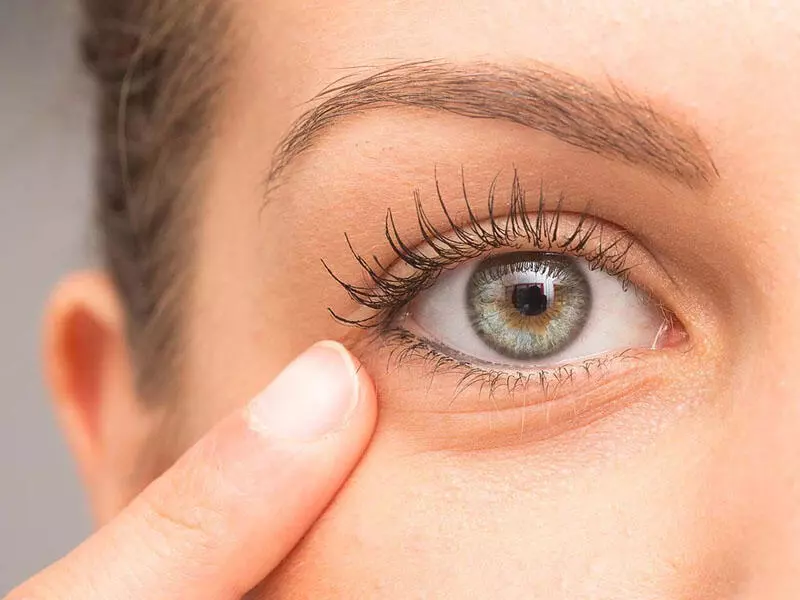

Under-eye lightening refers to a range of procedures intended to reduce the appearance of dark circles and uneven pigmentation around the eyes. Since the under-eye area is one of the thinnest and most sensitive parts of the skin, changes in pigmentation in this area can noticeably affect facial appearance. These procedures are generally considered part of skin lightening treatments and may help create a fresher and more rested appearance.
Such treatments can be performed using various techniques. Chemical peels, laser treatments, and specially formulated under-eye creams may be used to improve the appearance of pigmentation beneath the eyes. The suitability and effectiveness of each method may vary depending on the individual's skin type and skin characteristics. Therefore, understanding the skin type is important when choosing an appropriate treatment.
Under-eye lightening treatments are often considered for aesthetic concerns related to a tired or dull-looking appearance. Improving the appearance of the under-eye area may also contribute positively to how some individuals feel about their overall appearance.
The Relationship Between Skin Type and Under-Eye Lightening
Skin type is one of the important factors to consider when planning under-eye lightening treatments. Different skin types have different characteristics, and these differences may influence the choice of treatment method. For example, dry or sensitive skin may require greater emphasis on hydration and gentler products.
In under-eye lightening treatments, skin type may influence the treatment approach, number of sessions, recovery process, and how the skin responds to the procedure. Gentler methods may be preferred for sensitive skin, while other skin types may tolerate different treatment settings. For this reason, individuals considering under-eye lightening should ideally have their skin evaluated by a qualified professional beforehand.
Following a skin assessment, an individualized treatment plan can be developed. This may help improve treatment suitability and reduce the likelihood of irritation or other unwanted reactions.
Skin Lightening Methods
Skin lightening methods have become increasingly varied with developments in dermatology and aesthetic technologies. Available options may include chemical peels, laser treatments, microdermabrasion, and specially formulated topical creams. Each method has its own potential benefits, limitations, and suitability criteria.
Chemical peeling works by exfoliating the upper layers of the skin and supporting skin renewal. This may help improve overall skin texture and the appearance of uneven pigmentation. However, because the under-eye area is particularly delicate, chemical peeling should be performed carefully and only with products and concentrations suitable for this region.
Laser treatments are among the methods used for certain pigmentation concerns. Treatments offered at centers providing Ankara Laser applications may target pigment within the skin to help create a more even-looking skin tone. The number of sessions and the duration of the results can vary according to the type of pigmentation, device used, skin characteristics, and individual response.
Topical creams designed for home use may offer a gentler and more gradual approach. With appropriate and regular use, some products may help improve the appearance of uneven skin tone or dark circles. However, the ingredients, concentration, and suitability of the product for the sensitive under-eye area should be carefully considered.
Which Skin Types May Be Suitable for Under-Eye Lightening?
Under-eye lightening procedures may produce different responses in different skin types. Rather than defining a single skin type as universally suitable, treatment choice should be based on individual skin characteristics, pigmentation type, sensitivity, and the cause of the dark circles.
Normal skin generally has relatively balanced oil and moisture levels. Depending on the individual's pigmentation and sensitivity, several treatment approaches may be considered.
Combination skin may be oilier in some facial areas and drier in others. However, the under-eye area often has different characteristics from the T-zone, so treatment planning should focus specifically on the condition of the skin around the eyes rather than the overall facial skin type alone.
Sensitive skin is generally more prone to redness, burning, and irritation. For this reason, gentler products and carefully selected treatment parameters may be required. In some cases, appropriately formulated topical products or carefully planned professional procedures may be considered under specialist supervision.
Under-Eye Lightening with Ankara Laser Applications
Ankara has many centers that provide dermatological and aesthetic skin treatments. Ankara Laser applications for under-eye pigmentation may be performed using different technologies depending on the individual's skin type and the characteristics of the discoloration.
Laser treatments may be considered for certain types of under-eye pigmentation. Depending on the laser system used, the treatment may target pigment in the skin and help reduce the appearance of uneven tone. However, dark circles may have several causes, including pigmentation, visible blood vessels, skin thinning, anatomical shadowing, or volume loss, and laser treatment may not be suitable for every cause.
The response to treatment may vary from person to person. The type of device, treatment settings, skin tone, pigmentation pattern, and individual sensitivity can all influence the treatment plan and recovery process. For this reason, professional evaluation before treatment is important.
Aftercare Recommendations Following Under-Eye Lightening
Special attention to skin care is important after under-eye lightening procedures. Appropriate aftercare may support skin recovery and help maintain the improvement achieved with treatment.
First, protecting the treated skin from excessive sun exposure is important. UV exposure may contribute to pigmentation changes. Depending on the treatment performed and professional advice, appropriate sun protection, sunglasses, and other physical protection measures may be useful.
Second, moisturizing can help maintain the skin barrier. The under-eye area may become temporarily more sensitive following certain treatments. A gentle, hypoallergenic moisturizer suitable for the eye area may help support skin comfort.
Finally, products that may irritate the treated skin should generally be avoided during the early recovery period. Strong acids, aggressive exfoliants, retinoids, fragranced products, or other potentially irritating ingredients may need to be temporarily discontinued depending on professional guidance.
Following individualized recommendations from the treating professional and maintaining an appropriate skin care routine can help support the recovery process and preserve the appearance achieved after under-eye lightening.
 Call
Call
 Whatsapp