


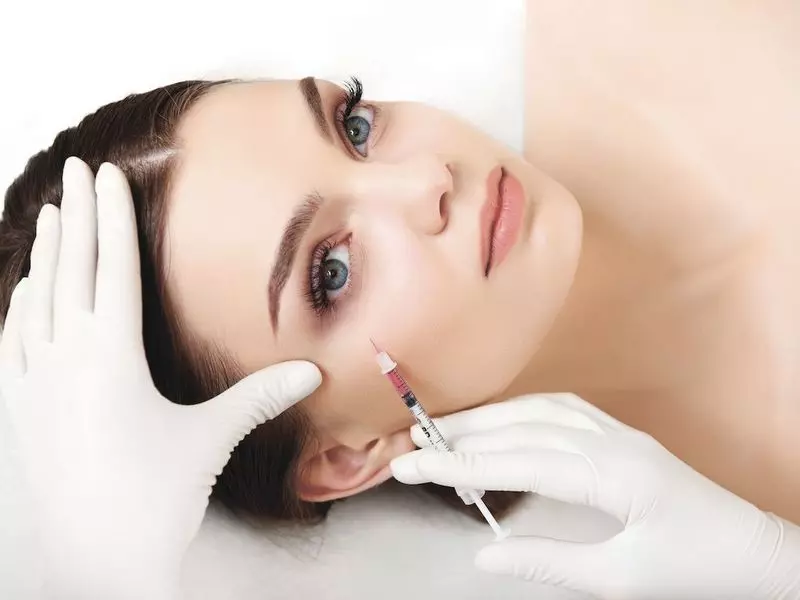

Pigmentation mesotherapy is a treatment approach used to help improve uneven skin tone and reduce the visible appearance of certain pigmentation concerns. During the procedure, selected vitamins, minerals, and other active ingredients may be delivered into the skin according to the treatment protocol.
The treatment can be individualized according to skin type, the characteristics of the pigmentation, and the individual's needs. Since every person's skin is different, preparing a personalized treatment plan is important. At centers providing Ankara Laser applications, individualized approaches may be used depending on the person's skin condition and treatment goals.
Some individuals may combine pigmentation mesotherapy with other pigmentation treatments. Combination approaches may be considered in selected cases, but suitability depends on the treatment methods used, the condition of the skin, and professional assessment.
The Importance of Sun Protection During Pigmentation Mesotherapy
Sun protection is particularly important during pigmentation mesotherapy.
Ultraviolet exposure can stimulate melanin production and may make existing areas of pigmentation appear more noticeable. For this reason, limiting excessive sun exposure during treatment may help support the overall treatment plan.
Skin may also become temporarily more sensitive following mesotherapy or other pigmentation procedures. Appropriate sun protection during this period may help reduce the likelihood of additional pigmentation changes or irritation.
Broad-spectrum sunscreen and other protective measures may therefore be recommended during the treatment process. The appropriate level of protection should be determined according to skin type, daily sun exposure, and professional recommendations.
Effects of Sun Exposure on the Skin
Sunlight has several biological effects on the skin.
Ultraviolet radiation can contribute to premature skin aging, pigmentation changes, and an increased risk of skin cancer with cumulative exposure.
During pigmentation treatments, excessive ultraviolet exposure may also make existing discoloration more noticeable or contribute to the development of new areas of pigmentation.
For this reason, sun protection is an important part of both general skin care and pigmentation treatment planning.
Best Practices for Sun Protection
One of the main methods of sun protection is using broad-spectrum sunscreen with an appropriate SPF.
Products with SPF 30 or higher may be recommended in many situations, particularly when there is significant outdoor sun exposure. Sunscreen should be applied according to product instructions and reapplied when necessary, especially after sweating, swimming, or prolonged outdoor activity.
Sun protection should not rely on sunscreen alone.
Wide-brimmed hats, sunglasses, protective clothing, and seeking shade can provide additional protection from ultraviolet exposure.
Limiting prolonged exposure during periods when sunlight is particularly intense may also help reduce cumulative UV exposure.
The level of protection needed should be adjusted according to environmental conditions, individual skin characteristics, and professional advice.
Skin Care After Pigmentation Mesotherapy
Appropriate skin care after pigmentation mesotherapy can help support skin comfort and recovery.
Temporary redness, sensitivity, or mild swelling may occur after injections. Gentle moisturizers may be recommended to support the skin barrier and reduce dryness or discomfort.
Active skin care ingredients should be used cautiously after treatment. Antioxidant serums or other products may be suitable for some individuals, but they should not automatically be introduced immediately after every procedure.
Product selection should take the skin's sensitivity and the treatment performed into account.
Sun protection also remains important after treatment, particularly when the skin is exposed to daylight or prolonged outdoor activity.
Sun Protection and Treatment Outcomes
Sun protection can play an important supportive role during pigmentation treatment.
Reducing excessive ultraviolet exposure may help limit factors that can contribute to new or recurrent pigmentation.
However, sun protection alone does not determine treatment success. Results also depend on the type and cause of pigmentation, the treatment protocol, individual skin characteristics, and response to therapy.
Maintaining appropriate sun-protection habits after treatment may also help preserve improvements in pigmentation over time.
Frequently Asked Questions About Pigmentation Mesotherapy
1. How long does it take to see results from pigmentation mesotherapy?
The response varies according to skin type, the characteristics of the pigmentation, the ingredients used, and the treatment plan.
Some individuals may notice gradual changes after several sessions, while others may require a longer treatment period.
2. What should I pay attention to during treatment?
Avoiding excessive sun exposure is an important consideration.
Gentle skin care, appropriate moisturization, and following professional recommendations may also help support the treatment process.
3. Are the results of pigmentation mesotherapy permanent?
Results may be long-lasting in some individuals, but new pigmentation can develop due to sun exposure, hormonal factors, skin characteristics, and other causes.
For this reason, ongoing sun protection and appropriate skin care remain important after treatment.
4. Which age groups can undergo this treatment?
Pigmentation mesotherapy may be considered for adults depending on the individual's skin condition and treatment indication.
Suitability should be determined through professional assessment rather than age alone.
5. Are there any side effects?
Temporary redness, tenderness, mild swelling, bruising, or sensitivity may occur after treatment.
The type and severity of side effects can vary depending on the injection technique, ingredients used, skin characteristics, and individual response.
If unexpected or persistent symptoms develop, professional medical advice should be sought.
 Call
Call
 Whatsapp