


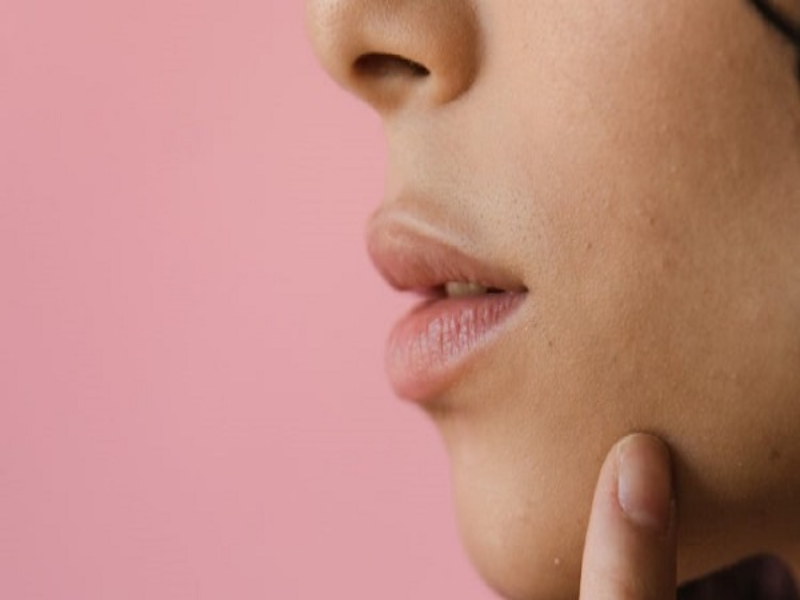

The importance of sun protection becomes more apparent when pigmentation treatment begins in Ankara. Ultraviolet radiation may contribute to new spots developing and existing pigmentation becoming more visible. Understanding why sun protection is critical during pigmentation treatment in Ankara is therefore important for supporting the treatment process.
Sunlight may increase melanin production and contribute to the formation or darkening of pigmentation. The skin may become more sensitive during treatment, and sun exposure may increase the risk of unwanted pigment changes. Using suitable sunscreen may help protect the skin and support the appearance achieved through treatment.
Sunscreen is an important part of aftercare during pigmentation treatment. Sun protection may help protect the skin from external factors and support a more controlled care process. Sunscreen products may therefore be included in the daily skincare routine.
Importance of Sun Protection During Pigmentation Treatments
Pigmentation treatments include various methods intended to reduce the appearance of dark spots. Sun protection is an important factor that may help reduce the risk of pigmentation becoming noticeable again in treated areas. Ultraviolet radiation may stimulate melanin production and contribute to existing spots becoming darker.
Another purpose of sunscreen during Pigmentation Treatments is to protect skin that has become sensitive from ultraviolet radiation. Regular sun protection may help reduce unwanted pigment changes and support recovery. The course of redness and sensitivity varies according to the procedure and individual skin structure.
Sun protection during pigmentation treatment in Ankara is important for supporting skin health and preserving the achieved appearance. Regular sunscreen use may help reduce the risk of new pigmentation and existing spots becoming darker.
Effects of Sunlight During Skin Pigmentation Treatments
Ignoring the effects of sunlight during skin pigmentation treatment may negatively affect the process. Ultraviolet radiation may contribute to spots becoming more visible and new areas of pigmentation developing. Sun protection is therefore an important consideration during Skin Pigmentation Treatments.
The skin may become more sensitive during treatment and more vulnerable to sunlight. This may increase the risk of unwanted colour changes and pigmentation becoming noticeable again. Ultraviolet radiation may stimulate melanin production and affect the appearance of dark spots. Sunscreen may help protect the skin during treatment.
Continuing sunscreen after treatment is important for reducing the effects of sunlight. Sun protection may support recovery and help reduce the risk of new pigment changes.
Ankara Lazer Pigmentation Treatment Processes
Laser pigmentation treatment in Ankara is one of the methods considered for reducing the appearance of dark spots and pigment differences. During Ankara Lazer procedures, concentrated pigment areas may be targeted to support a more balanced-looking skin tone.
Laser treatment creates a controlled effect on pigment by targeting melanin in the skin. The skin may become more sensitive during this process, and the risk of sun-related pigment changes may increase. Sun protection after laser treatment is therefore important for supporting the skin and helping preserve the achieved appearance.
Broad-spectrum sunscreen suitable for the skin type may be recommended during laser pigmentation treatment in Ankara. These products may help protect the skin from ultraviolet radiation and support aftercare. Avoiding intense direct sunlight and using hats or protective clothing may also be considered.
Effective Methods of Sun Protection
Sun protection is important for protecting the skin during and after pigmentation treatment. Different protective measures are available for people undergoing treatment in Ankara. These methods may help reduce the risk of new spots and existing pigmentation becoming darker.
-
Using Sunscreen: Sunscreen products help protect the skin from ultraviolet radiation. Broad-spectrum products with at least SPF 30 that are suitable for the skin type may be considered. Applying the product before going outdoors and reapplying when necessary may be recommended.
-
Wearing Protective Clothing: Wide-brimmed hats and clothing with ultraviolet protection may reduce direct sun exposure. These physical protection methods may be used together with sunscreen.
-
Choosing Shade: Staying in the shade when sunlight is intense may help reduce direct ultraviolet exposure. Outdoor activities may be planned for times when sunlight is less intense.
Skincare and Sun Protection After Pigmentation Treatment
Skincare after pigmentation treatment may help preserve the achieved appearance and support recovery. Sun protection is an important part of this care. Suitable skincare may contribute to supporting the skin barrier and moisture balance.
The skin may become more sensitive and vulnerable to sunlight after treatment. Daily sunscreen is therefore important. Broad-spectrum products suitable for the skin type may help protect the skin and reduce the risk of pigmentation becoming noticeable again.
Adding a suitable moisturiser to the skincare routine is also important. Moisturisers may support the skin barrier and moisture balance. Serums and creams containing antioxidants may be considered when they are suitable for the person’s skin structure and recommended by the practitioner.
Points to Consider During Pigmentation Treatment
Several points should be considered during pigmentation treatment in Ankara. Suitable precautions may help protect the skin and support a more controlled treatment process. Points that may be considered include:
-
Regular Sun Protection: Regular sunscreen during and after treatment may help protect the skin from ultraviolet radiation. Sun protection may reduce the risk of pigmentation becoming noticeable again and new pigment changes developing.
-
Skincare Routine: Following a regular skincare routine may help support the skin barrier and moisture balance. Moisturisers and other products should be selected according to individual skin structure and professional recommendations.
-
Following Professional Recommendations: Following the practitioner’s recommendations may help ensure that care is adapted to individual needs. The skin’s response may be monitored, and products or the treatment plan may be adjusted when necessary.
 Call
Call
 Whatsapp