


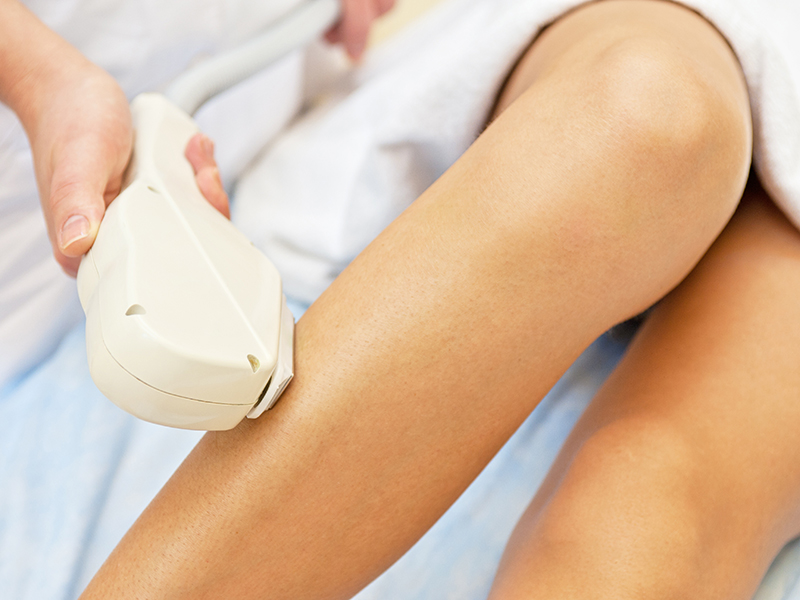

Leg laser hair removal is a method used to permanently or long-term reduce unwanted hair. This method damages hair follicles through laser beams and helps prevent hair from growing back. Thanks to developing technology, laser hair removal has become safer and more effective today.
Laser hair removal is not only an aesthetic preference but has also become an important part of personal care. Laser hair removal applied especially to the leg area is popular among women because it can effectively treat a large area. This method slows down hair growth and provides the user with smoother skin.
This process may vary depending on how well the skin and hair color absorb the laser light. People with a lighter skin tone and darker hair generally achieve better results from laser hair removal. However, with the advancement of technology, suitable solutions are also being developed for different skin types.
How Does the Leg Laser Hair Removal Process Work?
The laser hair removal process first begins with a skin analysis. In this analysis, the person’s skin tone, hair structure, and general health condition are evaluated. Then, the appropriate laser device and settings are determined. During the procedure, the laser beam penetrates the hair follicles, destroys them, and thus prevents the hair from growing again.
This process usually requires several sessions. Waiting for a certain period between each session is important for the skin to heal and for the remaining hair follicles to be affected by the laser. Generally, 4 to 6 weeks are allowed between each session. The effectiveness of laser hair removal increases with regular sessions, and the results become longer-lasting.
During the leg laser hair removal procedure, there may be a mild burning or stinging sensation on the skin. However, with modern devices, this sensation is minimized. After the procedure, mild redness and sensitivity may be seen on the skin, but these effects usually disappear within a short time.
Possible Effects on the Skin After Leg Laser Hair Removal
Some temporary effects may occur on the skin after laser hair removal. The most common are redness and mild swelling. These effects usually disappear on their own within a few hours. However, depending on skin type, these effects may last longer in some people.
In some cases, dryness and peeling may be seen on the skin after the procedure. This is part of the skin’s natural healing process. Using moisturizer to preserve the skin’s moisture can help relieve this condition. After leg laser hair removal, applying a cold compress to soothe the skin may also be effective.
More serious effects that may occur on the skin include hyperpigmentation or hypopigmentation. These conditions usually cause temporary changes in skin color and may become permanent if not treated. Therefore, paying attention to skincare after laser hair removal and protecting the skin from the sun are extremely important.
Effects of Sun Rays on the Skin
Sun rays can cause both short-term and long-term negative effects on the skin. Ultraviolet (UV) rays can damage the upper layer of the skin, leading to sunburn, spots, and signs of premature aging. UV rays can disrupt the structure of skin cells and may increase the risk of skin cancer.
Using sunscreen products is important to minimize the effects of sun rays on the skin. Sun rays may have a stronger effect on skin that has become sensitive after laser hair removal. Therefore, providing sun protection for the skin, especially after laser hair removal, is a critical step in protecting skin health.
Sun protection is important not only after laser hair removal but also in daily life to protect skin health. Limiting the time spent in the sun, wearing suitable clothing, and using broad-spectrum sunscreens are among the most effective ways to protect skin health.
Why Is Sun Protection Important After Leg Laser Hair Removal?
After leg laser hair removal, the skin becomes more sensitive than usual. This sensitivity makes the skin more vulnerable to sun rays, which may lead to burns and spots on the skin. Sun protection is vital to prevent such negative effects.
Exposure of the skin to the sun after laser hair removal may negatively affect the results obtained from the procedure. Color changes, spots, and even burns may occur on the skin. For this reason, sun protection is necessary both to protect skin health and to maximize the results of laser hair removal.
Providing sun protection is not limited to using sunscreen alone. Additional precautions such as wide-brimmed hats, long clothing, and staying in the shade should also be taken. These protection methods support the skin’s healing process and minimize potential complications.
Recommendations for Sun Protection After Leg Laser Hair Removal
We can apply a few simple but effective recommendations to provide sun protection after leg laser hair removal:
Broad-Spectrum Sunscreen: We can protect our skin against UV rays by using sunscreen with at least SPF 30. Sunscreen should be applied 15–20 minutes before going outside and reapplied every 2 hours.
Protective Clothing: Wearing wide-brimmed hats and long-sleeved, lightweight clothing is one of the effective ways to protect yourself from the sun. Such clothing protects the skin from direct sun rays.
Seeking Shade: Especially at noon, when the sun rays are most intense, staying in the shade is important for protecting our skin health. Spending time indoors or in shaded areas reduces the skin’s exposure to sun rays.
These recommendations help keep the skin healthy after leg laser hair removal and increase the longevity of the results obtained from the procedure.
For Which Skin Types Is Sun Protection More Critical?
Some skin types are more sensitive to sun rays than others and therefore require more protection. Especially fair-skinned individuals are more affected by sun rays, and the risk of sunburn is higher in these people.
In addition to fair-skinned individuals, people whose skin becomes sensitive after laser hair removal should also pay extra attention to sun protection. In these people, the skin may become irritated more easily, and sun rays may cause permanent spots on the skin.
Regardless of skin type, it is important for everyone to take sun protection precautions. However, these precautions become more critical for sensitive and fair-skinned individuals. It is recommended that these people choose sun protection products with higher SPF values and limit their time exposed to the sun.
Leg Laser Hair Removal and Things to Consider During the Summer Months
Summer months are the period when sun rays are most intense, and having laser hair removal during this period requires special attention. After the procedure, protecting the skin from the sun becomes even more important during the summer months. Otherwise, permanent damage may occur on the skin.
For those planning to have laser hair removal during the summer months, the most important recommendation is to strictly follow sun protection precautions before and after the procedure. Measures such as sunscreen creams, protective clothing, and staying in the shade help keep the skin healthy.
Finally, it is important to allow enough time for the skin to rest and heal after laser hair removal. Time spent on summer holidays or in sunny areas may negatively affect the skin’s healing process after the procedure. Therefore, carefully planning the timing of laser hair removal is a critical step in protecting skin health.
 Call
Call
 Whatsapp