


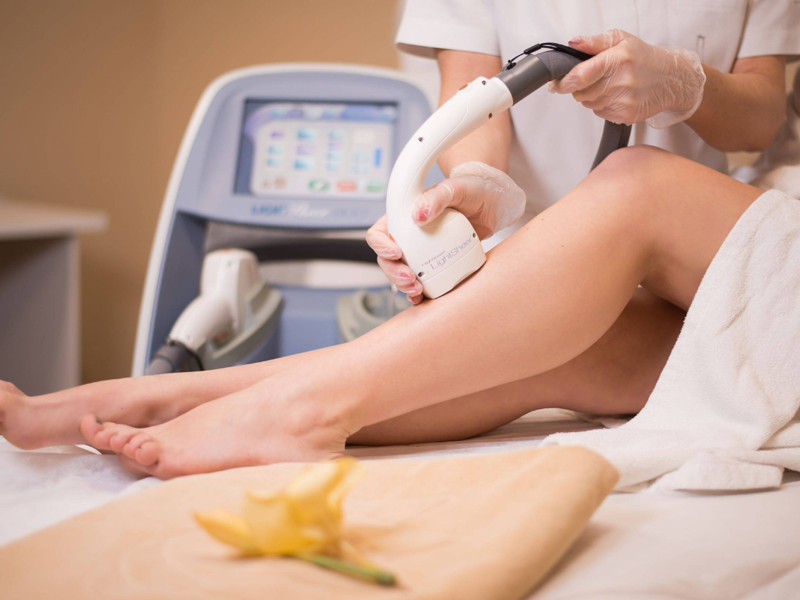

Laser hair removal is one of the methods preferred to achieve a long-term reduction in the appearance of unwanted hair. Leg laser hair removal, in particular, may be chosen by both women and men because it covers a relatively large treatment area. However, there are several important points to consider after the procedure. This article explains why sun protection is important after leg laser hair removal and how the treated skin can be protected.
What Is Leg Laser Hair Removal?
Laser hair removal is a procedure in which light energy is used to target hair follicles beneath the skin. When applied to the legs, it may help reduce hair growth over time and support a smoother skin appearance. During the procedure, laser light is absorbed by the melanin pigment in the hair follicles, with the aim of weakening their ability to produce new hair.
Since the legs cover a large area, treatment time may differ from that required for smaller areas. The characteristics of the device, the person’s skin type, hair structure and the size of the treatment area may all affect the duration of a session. When the appropriate device and settings are used, the risk of irritation and unwanted skin reactions may be reduced.
The laser hair removal process involves not only the treatment sessions but also preparation before the procedure and care afterward. It is particularly important to protect the skin, which may become more sensitive after treatment, from direct sunlight. Intense sun exposure may increase the risk of redness, sensitivity and changes in skin colour in the treated area.
Advantages of Laser Hair Removal
One of the main advantages of laser hair removal is that it may provide a long-term reduction in hair density when sessions are performed regularly. Although results vary from person to person, hair may become finer, sparser and slower to grow after appropriately scheduled sessions.
Another advantage is that the need for traditional hair-removal methods may gradually decrease. Waxing, epilators and frequent shaving can require considerable time. A reduction in hair density after laser hair removal may make personal care routines easier to manage.
Laser hair removal may also help reduce problems such as cuts, irritation and the appearance of ingrown hairs associated with waxing and shaving. However, results may vary depending on the person’s skin and hair characteristics. For procedures planned at Ankara Lazer, skin type, hair structure, the device used and post-treatment care recommendations should be evaluated together.
Skin Care After Leg Laser Hair Removal
The skin may be more sensitive than usual after laser hair removal. Temporary redness, warmth or mild sensitivity may occur in the treated area. A suitable care plan should therefore be followed to support the skin barrier and reduce the risk of irritation.
Maintaining the skin’s moisture balance after treatment is important. Fragrance-free moisturisers recommended by the practitioner and free from strongly irritating ingredients may be used. Moisturising may help reduce dryness and tightness.
Activities and products that may irritate the skin should be avoided during the first few days. Very hot showers, saunas, Turkish baths and activities that cause intense sweating may increase skin sensitivity. Cosmetic products containing alcohol, fragrance, exfoliating acids or other strong ingredients should not be applied to the treated area for the period specified by the practitioner.
The practitioner should be consulted if severe burning, blistering, crusting or prolonged redness develops after the procedure.
Importance of Sun Protection
After laser hair removal, the treated skin may become more sensitive to sunlight. Unprotected exposure to ultraviolet rays may increase the risk of redness, burns and darkening of the skin. Sun protection is therefore an important part of aftercare following leg laser hair removal.
A broad-spectrum sunscreen may be used for sun protection. The protection factor and frequency of application should be determined according to the person’s skin characteristics, the season and the amount of sun exposure affecting the treated area. Sunscreen should be applied in a sufficient amount before going outside and reapplied after sweating, swimming or spending a long time outdoors.
Sunscreen alone may not always provide sufficient protection. Avoiding prolonged exposure to direct sunlight, particularly when the sun is strongest, and wearing lightweight clothing that covers the legs may provide additional protection. Sunbathing and tanning beds, which expose the skin to intense ultraviolet radiation, should also be avoided for the period specified by the practitioner.
Sun Protection Methods After Leg Laser Hair Removal
The following methods may be used to protect the skin from the sun after laser hair removal:
- Using sunscreen: A broad-spectrum sunscreen suitable for the person’s skin type should be selected and reapplied as necessary during the day.
- Wearing protective clothing: Lightweight and breathable clothing that prevents direct sun exposure to the legs may be preferred.
- Avoiding intense sunlight: Prolonged outdoor exposure should be limited, particularly during the hours when sunlight is strongest.
- Avoiding tanning beds: Tanning beds should not be used before or after treatment for the period specified by the practitioner.
- Supporting the skin barrier: The skin’s moisture balance should be maintained with moisturisers recommended by the practitioner.
- Maintaining adequate fluid intake: Meeting daily fluid requirements may support general skin health, but it does not replace direct sun protection.
These precautions may help reduce the risk of sensitivity and skin colour changes after laser hair removal.
Laser Hair Removal Services in Ankara
Various centres provide laser hair removal services in Ankara. When selecting a treatment provider, the device used, hygiene conditions, the practitioner’s qualifications and the pre-treatment assessment should be considered.
Before laser hair removal, the person’s skin type, hair colour, hair thickness, recent sun exposure and medications should be evaluated. Any medicines or skin products that may increase sensitivity to sunlight should be disclosed before the procedure.
Not every laser system is equally suitable for every skin and hair type. The device and treatment settings should therefore be selected according to individual characteristics. A pre-treatment assessment at Ankara Lazer may help create a suitable procedure and aftercare plan.
Points to Consider After Laser Hair Removal
The following points may support skin health after laser hair removal:
- Gentle skin cleansing: The treated area should be cleaned gently using lukewarm water and non-irritating products.
- Using moisturiser: A fragrance-free, soothing moisturiser suitable for the person’s skin type may be used.
- Avoiding irritation: The skin should not be shaved aggressively. Waxing, epilators and tweezers, which remove hair from the root, should not be used. The practitioner’s advice should be followed regarding when shaving can resume.
- Sun protection: The treated area should be protected from direct sunlight, and a suitable sunscreen should be applied regularly.
- Avoiding hot environments: Very hot showers, saunas, Turkish baths and intense exercise should be avoided for the recommended period.
- Monitoring skin reactions: The practitioner should be contacted if severe or prolonged reactions occur.
Following these steps may help the skin recover more comfortably and support the safe continuation of the treatment process.
Proper care after leg laser hair removal is important for managing skin sensitivity. Sun protection, appropriate moisturising and avoiding irritating procedures are among the main elements of aftercare. Since recommendations may vary according to the person’s skin structure and the laser system used, individual instructions provided after treatment should be followed.
 Call
Call
 Whatsapp