


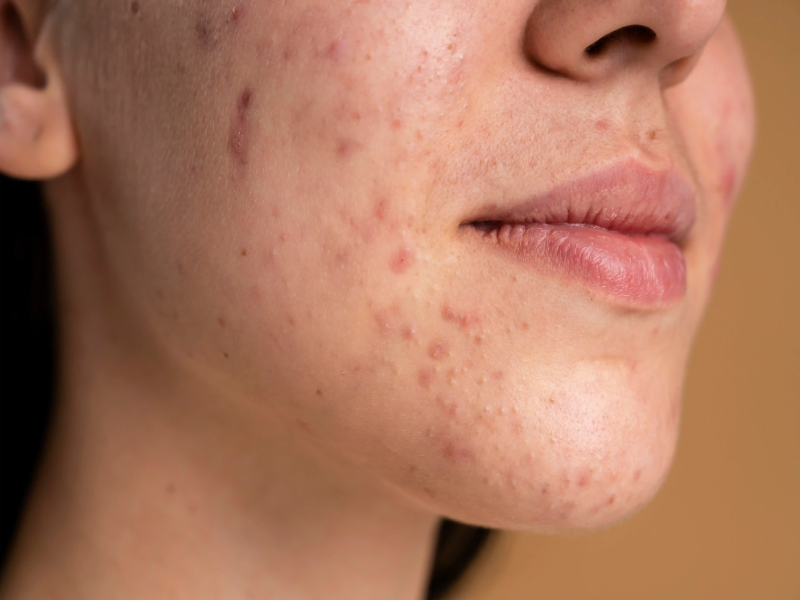

Acne is a common skin condition that often begins during adolescence and may continue into adulthood. Acne scars can develop when inflammatory acne damages the skin during the healing process. These marks may appear as depressions, areas of discolouration or raised scars.
Acne scars form as part of the skin’s natural repair response. As the body attempts to repair tissue damaged by acne, it produces new collagen. However, this process does not always progress evenly. Excessive or insufficient collagen production may result in visible changes to the skin’s texture.
The appearance and severity of acne scars may vary depending on the individual’s skin structure, genetic characteristics and the severity of the acne. Picking or squeezing acne lesions may also increase the likelihood of scarring.
Acne scars are not only a physical concern. Aesthetic worries related to their appearance may also affect emotional well-being and self-confidence. For this reason, acne scar treatment can be an important step for many individuals. Acne scar treatment in Ankara includes various methods intended to reduce the visibility of these marks.
The Acne Scar Treatment Process
Acne scar treatment should be personalised according to the individual’s skin type and the depth, type and distribution of the scars. Available treatment options may include laser procedures, chemical peels, microneedling and selected injectable treatments. Ankara Laser procedures are among the methods commonly considered for acne scars.
Depending on the laser technology used, treatment may create controlled treatment zones in the skin and stimulate the natural renewal process. This can support collagen production and gradually improve uneven skin texture. The skin may temporarily become more sensitive after the procedure.
Microneedling creates controlled microchannels in the skin and stimulates its natural repair response. This method may support collagen production and help reduce the appearance of certain depressed scars.
Chemical peels exfoliate the upper layers of the skin in a controlled manner and encourage surface renewal. They may be more suitable for superficial marks, post-acne pigmentation and uneven skin tone. These procedures may require several sessions, and protecting the skin throughout the process is important.
The Effects of Sunlight on Acne Scars
Sun exposure can have several negative effects on the skin. The skin may become particularly sensitive to sunlight after acne scar treatments. Exposure to ultraviolet rays during this period may cause post-acne marks to become darker and more noticeable.
Ultraviolet radiation stimulates melanin production. This may lead to post-inflammatory hyperpigmentation, especially in areas that have recently undergone laser, peeling or microneedling procedures.
Excessive sun exposure may also damage collagen and elastin fibres over time. This contributes to premature skin ageing and may make uneven skin texture more noticeable.
The effects of sunlight are not limited to aesthetic concerns. Cumulative ultraviolet exposure is also associated with an increased risk of skin cancer. Protecting the skin from the sun after acne scar treatment in Ankara is therefore important for both treatment results and general skin health.
The Importance of Sun Protection After Acne Scar Treatment
Sun protection is a critical part of supporting healthy recovery after treatment. The skin may become temporarily more sensitive following acne scar procedures, making it more vulnerable to ultraviolet damage.
Exposure to sunlight during the skin’s renewal process may negatively affect treatment results. It can increase redness, trigger pigmentation and cause existing post-acne marks to become darker.
Protecting the treated areas from sunlight supports a more controlled recovery process. Consistent sun protection may also reduce the risk of new pigmentation developing after treatment.
Sun protection is important not only during the initial recovery period but also for maintaining long-term skin health. Appropriate protection after acne scar treatment in Ankara helps preserve treatment results and supports a smoother, more even-looking complexion.
Sun-Protection Methods and Products
Effective sun-protection measures should be included in the daily skincare routine. Sunscreen is one of the most commonly used protective products. A broad-spectrum sunscreen containing at least SPF 30 helps protect the skin against both UVA and UVB rays.
Sunscreen should be applied before going outdoors and reapplied during the day according to the product instructions, especially after sweating or prolonged outdoor exposure.
Physical protection methods should also be considered. Wide-brimmed hats and sunglasses help protect the face and eye area from direct sunlight. Remaining in shaded areas and limiting outdoor exposure when ultraviolet radiation is strongest can provide additional protection.
Products should be selected according to the individual’s skin type and level of sensitivity. After acne scar treatment in Ankara, fragrance-free and gentle formulations may be preferred to reduce the risk of irritation. Product selection should follow the recommendations provided by the treating specialist.
Benefits of Sun Protection for Skin Health
Sun protection plays an important role not only after acne scar treatment but also in maintaining overall skin health. It helps reduce cumulative ultraviolet damage and supports the preservation of the skin’s natural structure.
Regular protection may help slow the development of premature signs of ageing, including fine lines, wrinkles and loss of elasticity. It can also reduce the likelihood of pigmentation becoming darker or more widespread.
Sun protection supports a more even-looking skin tone by limiting ultraviolet-triggered melanin production. This is particularly important for individuals who are prone to post-inflammatory pigmentation after acne or professional skin procedures.
In conclusion, protecting the skin from sunlight after acne scar treatment in Ankara is a critical step for supporting treatment success and maintaining skin health. Using suitable sunscreen, following physical protection measures and complying with professional aftercare recommendations can help protect the skin throughout the recovery process.
 Call
Call
 Whatsapp