


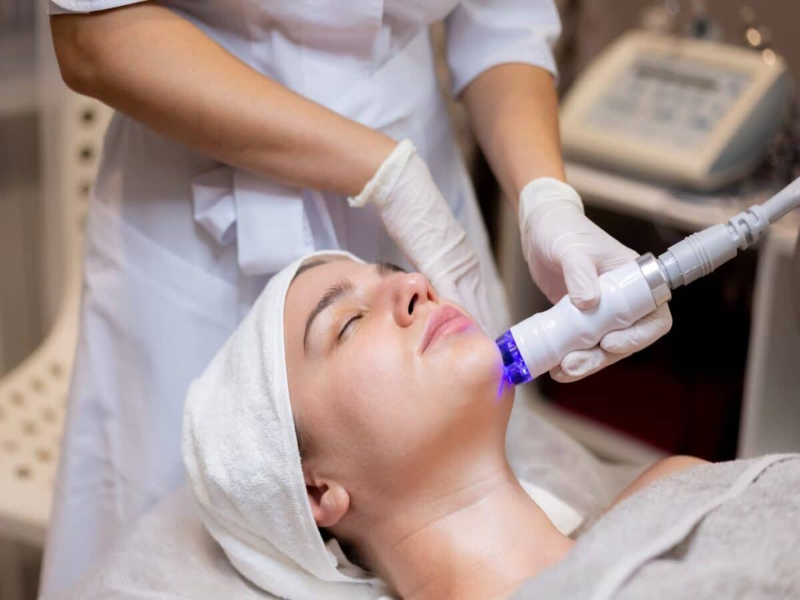

Thulium laser pigmentation treatment is a laser-based procedure used to reduce the visible appearance of certain types of skin pigmentation. It may be considered for individuals with pigmentation concerns such as sun-related spots, uneven skin tone, or selected superficial pigmentation problems.
Thulium laser systems deliver controlled energy to targeted areas of the skin and may help improve the appearance of pigmentation. Depending on the device and treatment parameters, the procedure may also contribute to improvements in skin texture and the appearance of fine lines.
The treatment is generally performed by appropriately qualified professionals. Recovery time varies according to the intensity of the procedure, individual skin characteristics, and the treatment area. Temporary redness, sensitivity, dryness, or mild peeling may occur after treatment.
Advantages of Thulium Laser Pigmentation Treatment During Winter
Winter is often considered a practical period for Thulium laser pigmentation treatment because ultraviolet exposure may be easier to limit compared with the summer months.
After certain laser treatments, the skin may temporarily become more sensitive to sunlight. Excessive ultraviolet exposure during this period may increase the likelihood of irritation or unwanted pigmentation changes.
The main advantage of winter is therefore not that cold weather directly accelerates skin healing, but that avoiding intense sunlight and maintaining appropriate sun protection may be easier for many individuals.
Winter treatment planning may also provide sufficient time for the skin to recover before periods of stronger seasonal sun exposure. However, sun protection remains important throughout the year.
Thulium Laser Pigmentation Treatment Process
Thulium laser pigmentation treatment generally begins with an assessment of the skin.
The type of pigmentation, skin tone, skin sensitivity, medical history, and treatment expectations may all be considered when preparing an individualized treatment plan.
During the procedure, controlled laser energy is applied to selected areas of the skin. Treatment duration varies according to the size of the area and the device settings.
Local anesthetic may not be necessary for every procedure, although comfort measures may be considered depending on individual sensitivity and treatment intensity.
Temporary redness, warmth, sensitivity, or mild peeling may occur afterward. These effects generally improve gradually, although recovery varies between individuals.
At centers providing Ankara Laser applications, individualized aftercare recommendations may be given following treatment. Gentle moisturizers and appropriate sun protection may be recommended during the recovery period.
Who May Be Suitable for Thulium Laser Pigmentation Treatment?
Thulium laser pigmentation treatment may be considered for selected pigmentation concerns such as sun spots, age-related pigmentation, uneven skin tone, and some forms of melasma.
However, not every pigmentation problem responds in the same way, and not every individual is automatically suitable for this treatment.
The type and cause of the pigmentation should be evaluated before treatment. Melasma, in particular, may require careful treatment planning because pigmentation can sometimes recur or become more noticeable depending on individual and environmental factors.
Individuals with active skin infections, open wounds, significant irritation, or certain medical conditions may need to postpone treatment.
Laser-based cosmetic procedures are generally approached cautiously during pregnancy, and treatment timing should be discussed individually during breastfeeding.
Professional assessment before treatment can help determine whether Thulium laser is appropriate and what risks or limitations should be considered.
What Should Be Considered Before and After Thulium Laser Pigmentation Treatment?
Before treatment, the skin should generally be clean and free from cosmetic products according to the practitioner's instructions.
Recent tanning or excessive sun exposure may affect treatment planning. For this reason, sun exposure history should be discussed before the procedure.
After treatment, the skin should be treated gently. Strong exfoliants, harsh cleansers, acids, retinoids, or other potentially irritating products may need to be temporarily avoided.
Sun protection is particularly important after pigmentation treatment. Broad-spectrum sunscreen and limiting direct sun exposure may help reduce the likelihood of additional pigmentation changes.
Following individualized aftercare recommendations can help support the skin's recovery.
If unexpected or persistent symptoms develop, professional medical advice should be sought.
Thulium Laser Pigmentation Treatment Services
Thulium laser pigmentation treatments may be provided in dermatology clinics and appropriately equipped aesthetic treatment centers.
Before treatment, the individual's skin characteristics, pigmentation type, medical history, and expectations should be evaluated.
A personalized treatment plan may include information about the number of sessions, expected recovery period, skin care recommendations, and possible side effects.
At centers providing Ankara Laser applications, follow-up recommendations may also be given after the procedure to monitor skin response and determine whether additional treatment is appropriate.
 Call
Call
 Whatsapp