


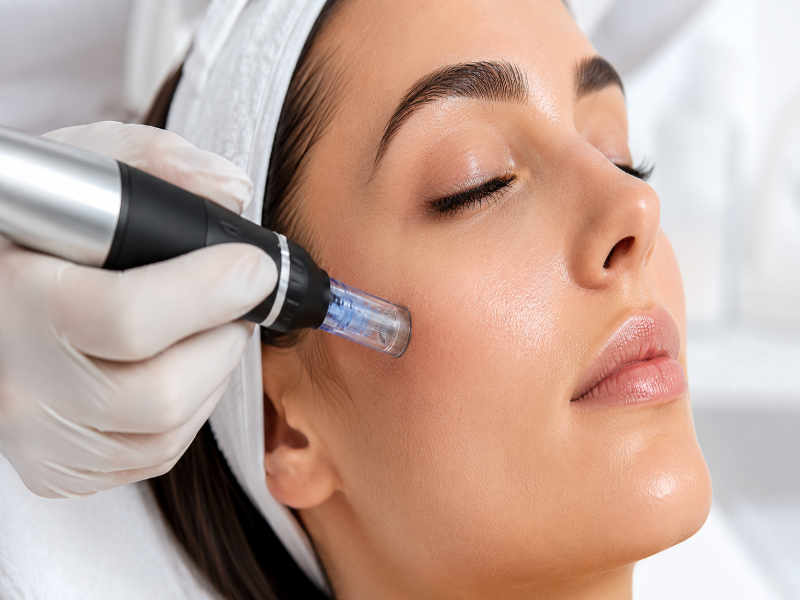

Thulium Laser Pigmentation Treatment is one of the laser methods used to reduce the appearance of skin pigmentation. It may be considered for concerns such as sunspots, age spots and certain post-acne colour changes. Thulium laser aims to create a controlled effect in the skin and support its natural renewal process and collagen production.
This is a non-surgical procedure that does not require an incision or stitches. The time required to return to normal daily activities may vary according to the intensity of treatment and the person’s skin structure. As with any laser procedure, temporary side effects and individual risks may occur.
Although Thulium laser may be considered for different skin types, it may not be equally suitable for every skin type and pigmentation concern. An individual treatment plan should therefore be prepared by considering the skin structure, natural skin tone and the characteristics of the pigmentation. Suitability for treatment at Ankara Lazer may be determined following an initial assessment.
Advantages of Thulium Laser Pigmentation Treatment During Winter
Thulium Laser Pigmentation Treatment may be preferred more frequently during winter because avoiding intense sun exposure can be easier for some people. The skin may temporarily become more sensitive to sunlight following laser treatment. Limiting exposure to ultraviolet radiation may support a more controlled recovery process.
Cooler weather may reduce intense sweating and prolonged outdoor activities for some people. Heat and sweating may increase sensitivity or discomfort after treatment. However, recovery depends more on treatment intensity, skin structure and aftercare than on the season alone.
Winter may be a suitable period for maintaining a regular skincare routine. Moisturising and sun-protection products suitable for the person’s skin type may support the skin barrier. These steps may help preserve the appearance achieved following pigmentation treatments.
Pigmentation Treatments: Why Are They More Commonly Preferred During Winter?
Reduced exposure to ultraviolet radiation is one of the reasons why pigmentation treatments are commonly preferred during winter. Intense sun exposure during summer may make aftercare more difficult and increase the risk of pigmentation becoming noticeable again. Sun protection is still necessary during winter.
Skin dryness may become more noticeable during colder months. This does not increase the effectiveness of laser treatment; instead, it may require the skin barrier to be supported with suitable products. The skin’s moisture condition should be assessed before and after treatment.
Some people may find it easier to arrange their daily schedule and recovery period during winter. This season may offer practical advantages for avoiding sunlight, limiting irritating procedures and following the recommended skincare routine.
How Does Thulium Laser Pigmentation Treatment Work?
Thulium Laser Pigmentation Treatment is performed by creating a controlled laser effect in the skin. This effect aims to support skin-cell renewal and collagen production. Device settings should be selected according to the person’s skin structure and the area being treated.
Treatment may involve one or more sessions. Session duration varies according to the size of the area and the intensity of the procedure, although some treatments may take approximately 20–30 minutes. The number of sessions is determined according to skin type, pigmentation characteristics and the skin’s response. A treatment plan at Ankara Lazer may be prepared following individual assessment.
Mild warmth, stinging or a burning-like sensation may occur during the procedure. Temporary redness, sensitivity or mild swelling may develop afterwards. The duration of these effects varies from person to person. Recommended skincare products should be used, and the skin should be protected from sunlight.
Side Effects and Points to Consider
Temporary effects may occur after Thulium Laser Pigmentation Treatment. Redness, sensitivity and mild swelling are among the possible reactions. Crusting or temporary changes in skin colour may also occur in some people.
The skin should be treated gently after the procedure to help reduce these effects. Recommended moisturising and sun-protection products should be used regularly. Strong active ingredients, harsh exfoliation and abrasive skincare products should be avoided.
People with sensitive skin should disclose current medication, skincare products and medical history before treatment. Professional assessment should be obtained if an unexpected or increasingly severe reaction occurs afterwards.
Points to Consider in Winter Skincare
Winter skincare may differ from summer care because cold weather and wind can cause dryness and sensitivity. A moisturiser suitable for the skin type may help support the skin barrier. Products used after pigmentation treatment should be selected according to the practitioner’s recommendation.
Sunscreen remains important during winter. Ultraviolet radiation may reach the skin even on cloudy days. Regular sun protection may help reduce the risk of new pigmentation and existing spots becoming darker.
Very hot showers may need to be avoided during winter. Hot water may disrupt the skin’s natural oil balance and increase dryness or sensitivity. Lukewarm water and a suitable moisturiser may help support the skin’s moisture balance.
Results and Expectations Following Thulium Laser Pigmentation Treatment
Some people may notice changes in the appearance of their skin after the first applications of Thulium Laser Pigmentation Treatment. However, the reduction in visible pigmentation and changes in skin tone vary according to skin structure and the characteristics of the spots. More than one session may be required.
The skin surface may appear more balanced and refreshed following treatment. The response to procedures performed at Ankara Lazer depends on the skin’s reaction and the aftercare process. The duration of the achieved appearance may vary according to personal characteristics, sun exposure and skincare habits.
Expectations should be discussed with the practitioner before treatment. This allows the method and session plan to be adjusted according to individual needs. Monitoring changes in the skin may also help determine whether the treatment plan requires reassessment.
 Call
Call
 Whatsapp